Currently viewing the category: "runners stretch"

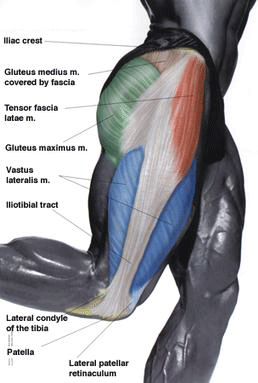
So you’re a runner and you’ve got knee pain. Is it on the outer side of the knee? Does it hurt worse on going downhill? Do you hear clicking? You may have iliotibial band frictions syndrome (ITBFS).

ITBS is a painful knee condition that is common in runners, specifically those that run downhill. The iliotibial band (ITB) is the longest tendon in the body. It runs from the pelvis (gluteus maximus and tensor fascia lata specifically) to the tibia (a shin bone). It can get tight, particularly in people that have foot dysfunction (overpronation, for example), and when it does it can snap across the knee joint becoming inflamed.

It is the inflammation of the ITB that is most painful, although a tight tendon can definitely cause discomfort. So if this is you, please start by icing the ITB at the tibial insertion, or on the outer part of the knee. Next, you should probably see a sports chiropractor, who will go in and really release the area with myofascial work, adjust you pelvis, sacrum or lumbar spine (especially if you have associated low back pain–a common occurrence with ITBFS).

Then you’ll want to stretch. Watch the video below for the best running stretches and IT band home treatment for knee clicking and pain. Do this stretch everyday and watch your ITBS clear right up. You may need orthotics, particularly if this is a chronic and recurring problem, another reason to see your Los Angeles sports chiropractor. Happy stretching.

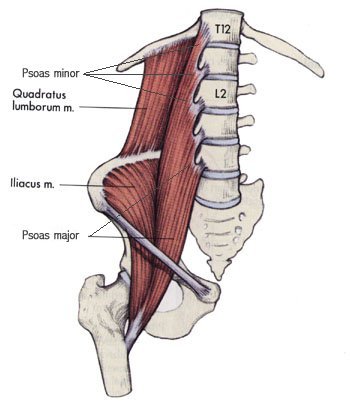
Last month I showed you a great stretch for the hip flexors, specifically the iliopsoas muscle.  The high lunge stretch I demonstrated is excellent for hitting the lower fibers of the psoas, while also engaging some of the iliacus fibers as well.

The stretch I demonstrate in the video below will round out hip flexibility by stretching the upper fibers of the psoas muscle.  When done correctly, you should feel the stretch up higher into the belly and high groin areas.  You will also need to do a pelvic tilt, so mastering that move will be key in getting the best stretch of the psoas.

Remember that the psoas muscle is a major player in some low back pain syndromes, very often causing a referred pain along the sides of the spine, and could go up as high as the lower mid-back.  The psoas as a source of low back pain is often missed by practitioners, who’ll work on the low back muscles, unfortunately to no avail.

Always the smartest thing to do if you have low back pain is to go see a doctor–preferably a sports chiropractor.  But if you know your psoas is tight and playing a part in your low back pain, then by all means do this stretch.  If stretching the psoas doesn’t seem to provide any relief, then make sure you get in to see your chiropractor right away.

Watch the video below to get the best instruction of stretching a tight psoas muscle.  And for those of you that know this stretch–yes, it is also know as a “runners stretch”.  Enjoy.

Copyright © 2013 Dr. Nick Campos - All Rights Reserved.