Posts by: "Dr. Nick Campos"

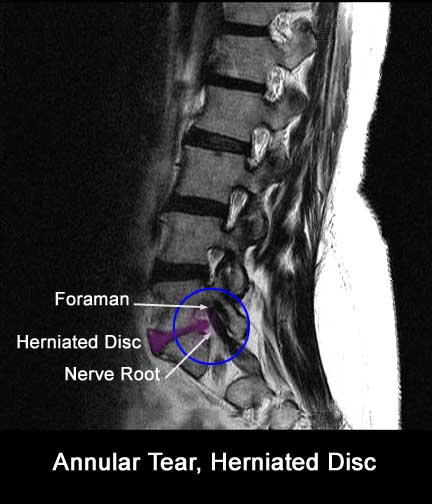
People suffering from low back pain, specifically from herniated disks, might find temporary relief by doing McKenzie back exercises. These low back extension exercises utilize a light pumping action at the low back to help squeeze disk bulges back into the intervertebral spaces.

McKenzie exercises, unfortunately, do not work for everybody–in fact, possibly only ~ 50% of herniated disk low back pain sufferers will respond to extension (some respond better to flexion) movements. The only way to know is…to try. So gently get down to the floor (please work on breaking inflammation with several ice bag applications beforehand, otherwise you might not get back up without help), and push your upper torso upward, while leaving your hips on the ground. Do in a pumping action as demonstrated in the video.

Go slowly. If it is going to work, you’ll feel the improvement rather quickly. You can try two sets of ten pumps, but if the pain gets worse after several pumps, discontinue the practice.

It is of utmost importance to call a chiropractor right away if you are suffering from severe low back pain (especially with numbness and/or tingling). But you can try these low back exercises to see if they provide any pain relief. Low back pain is no fun and it can linger–don’t suffer; call your local neighborhood chiropractic office today.

So I’ve recently posted on dry brushing–a health and beauty secret that I’ve used for two decades to help keep my skin soft and pliable. It also keeps my sensory system stimulated, and the blood and lymph flow circulating freely through their respective vessels, which in turn promotes a beautiful complexion.

But there’s a second practice to go along with dry brushing, and that’s the Scottish shower (Ss). The Ss is a practice of alternating hot and cold water while taking a shower. At a bare minimum, it’s finishing a shower with a blast of cold water. I’ve also been practicing this technique for many years, and the benefits are enormous.

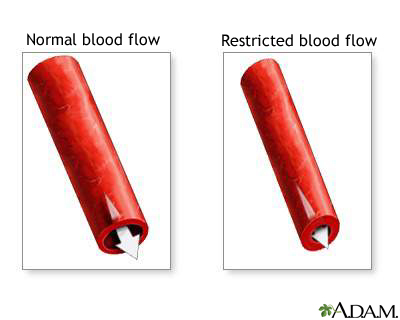
The principle behind Scottish showers is that heat causes the blood vessels to move toward the surface in a process called vasodilation. The body does this to increase circulation, release heat, and promote healing. Cold, on the other hand, causes vasoconstriction–a narrowing of the blood vessels due to contraction of smooth muscle. The vessels also contract inward, deeper toward the organs of the body, preserving heat, reducing blood flow and decreasing blood pressure. Taken in alternating rounds, the hot then cold water blasts will induce a sort-of pumping action by the circulatory system, leading to a number of physiological benefits.

Scottish showers promote optimal temperature regulation by modifying the sensory functions of hypothalamic thermoregulatory centres to increase heat release during hot weather, and lowering heat loss during cold.

They also stimulate the neuroendocrine and immune systems. Studies have shown that the regular practice of taking cold showers increased white blood cells and the production of the body’s natural blood thinning enzymes, improving micro circulation. It also stimulated the production of testosterone in men, and boosted women’s production of estrogen.

Taking cold showers has also been shown to increase the body’s anti-oxidant capabilities, with a rise in glutathione and a reduction of uric acid. Low glutathione is involved in many illnesses including cardiovascular conditions, pulmonary diseases, diabetes, inflammatory bowel diseases, cancer, osteoporosis, aging, and toxic pesticide exposure.

Cold water immersion reduces recovery time in athletes, enhances repeat performance, and reduces exercise induced muscle damage. It also raises thresholds of pain tolerance, reduces muscle spasm, and improves subjective well-being. It has even been shown to improve mood in depressed people.

Next, how do you take a Scottish shower? You begin by making the water as hot as you can handle. Let the water run over every part of your body including the scalp (good for promoting healthy hair and scalp). Then turn the water temperature down to the coldest you can take (you’ll be able to take more as you get used to the practice). Let the water run over your entire body (this is the tough part, but you can let out a yelp; I do) for about half a minute or so, then back to hot again, and repeat in cycles, always finishing with cold.

You can do this for anywhere from one to seven cycles. I do three cycles every shower.

I’m telling you that this will quite possibly be the most invigorating practice you’ll ever take part in. Along with the benefits I’ve listed above, you will feel the sensory stimulatory effects for up to several hours afterward, see improvements to your skin tone and complexion, and men will discover an increase in sexual endurance, all from the regular practice of taking cold showers.

Scottish showers is a simple yet powerful practice, and worth the discipline. From neurological to immune to aesthetics, nearly every system is benefited from alternating hot and cold showers. Practiced along with dry brushing and your body will respond with renewed youth and vigor. Take it from me, these two timeless health and beauty practices work.

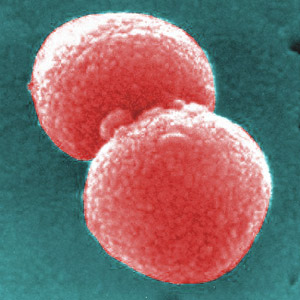
Prick up your ears medical science, Universal Intelligence speaks again. This time via the pneumococcal bacteria which has a nasty little evolutionary habit of adapting to stressors (in this case the pneumococcal vaccine) by changing the makeup of its outer coat. The bug, Streptococcus pneumoniae, or pneumococcus, known to cause childhood pneumonia and meningitis has been a major player in worldwide illness and death since the late 19th century. It is thought to kill over a million young children around the world each year.

According to research conducted at the University of Oxford, the bacterium carries out a little genetic presto-chango by recombining with other, slightly different bacteria, so that the vaccine no longer recognizes it. Nice. Natural selection at its finest, and it shows the incredible intelligence that has permeated life from the start.

The pneumococcal vaccine works by eliciting antibody production against the polysaccharide coating of the bacteria. By recombining its genes with that of other pneumococcal serotypes, the bacteria successfully renders the vaccine less effective. And this is exactly what happened in Great Britain after it adopted an American formula in 2000 that targeted seven serotypes (different varieties) and was highly effective in preventing transmission from children to adults.

Researchers sought to find the answer to the vaccine’s reduced effectiveness, and through cutting-edge genetic analysis they were able to uncover the mystery. The vaccine has since been replaced with a newer and wider acting one targeting 13 serotypes, but it does show some potential problems of the future.

I respect the medical innovation that has led to the development of such useful drugs and vaccines that have provided us with so much protection over the last century. But if I’ve said it once I’ve said it a million times, we rely far too heavily on drugs and vaccines, and not enough on strengthening the human constitution. Antibiotic resistant bugs are directly related to antibiotic overuse—prescribing them for every cough and runny nose “that just won’t go away” is ludicrous.

I still hear numerous people report that they run to the doctor after being sick for “one whole week,” and the doctors give them the drugs. Listen people, let your body do the job! It should be strong enough to handle most routine bugs; but I know the medical profession, pharmacies and drug companies push the idea that this year will be the year that we all die from the flu unless we get the coveted flu shot. WAKE THE EFF UP! Listen to Mother Nature. She’s telling you that all life forms evolve, including microorganisms. We can slow down the need to develop new drugs by not medicating every physical challenge people have. Duh! Everybody has a responsibility on this one.

V to the M#$F%# D

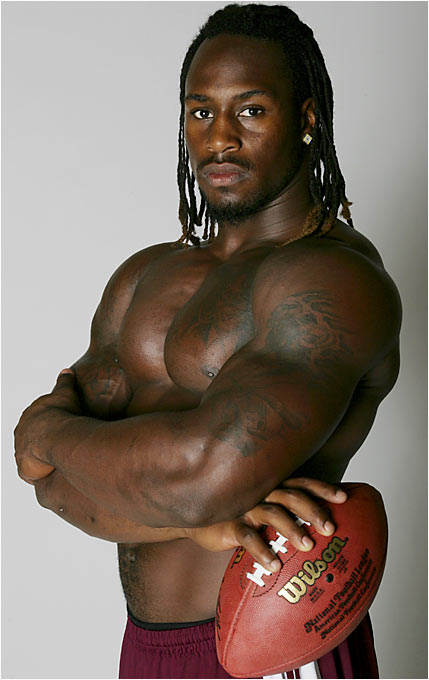
You know what makes NFL football players the smartest in all professional sports? It’s their love and respect for chiropractic. That’s right! Every NFL club has its team chiropractor, and from the beginning the San Francisco 49ers have led the charge.

Who doesn’t remember Joe Montana getting adjusted before Superbowl XXIV? And Roger Craig? And Jerry Rice? Keeping in line with a long list of 49er greats, superstar tight end Vernon Davis is also a regular chiropractic client. Why, you may ask, considering that there are still a few Neanderthals that claim chiropractic is for suckers? Well in Davis’ words:

[Chiropractic] helps me to go out and perform at my very best each and every week. So that’s why I get the work done, because not only does it help, it makes it possible for me to stay healthy. I benefit by this by prolonging my career. This game is very brutal on your body–it can really tear you down. My experience with chiropractic care has taken me to a whole other level with my game, my performance on the field. I’m able to stay healthy and just play; play for a long time, and play till the end of the game.

Doesn’t ‘believe’ in chiropractic

Yes, many other NFL greats have said the same–Emmitt Smith, Jerry Rice, Ed Reed, Maurice Jones-Drew, and even last year’s Superbowl MVP, Aaron Rodgers, whose father, Ed, is a chiropractor (booyah!)

So why are these multi-million dollar athletes choosing chiropractic to stay healthy and prolong their careers? If you don’t get it by now…man, you may as well lay down your club and fossilize.

Watch the video of Vernon Davis speaking about chiropractic:

The most common chronic neck pain condition I see in my West Hollywood sports chiropractic office is related to untreated or incompletely treated whiplash injuries. In cervical acceleration-deceleration (CAD) automobile accidents, the most common being rear-end collisions (a common occurrence in Los Angeles and Beverly Hills), the head is translated (accelerated) in one direction, usually backward, and then snapped forward (decelerated) in the opposite direction. This can cause small micro-tears of the scalene muscles at the front of the neck, leading to inflammation, spasmodic guarding, and severe pain.

Far too many people fail to get their whiplash neck injuries treated properly following a motor vehicle accident. Either they don’t see a chiropractor at all, or the treating chiropractor (watch out for mills, people) neglects this important area, primarily the scalenes. It is not uncommon for me to see people with 10+ years chronic neck pain from the scar tissue and adhesions built up in this area.

Aside from effective chiropractic care to relieve the chronic neck pain caused by an auto accident, the scalene muscles need also be worked. But you can help your cause at home by doing the stretches outlined in the video below. The scalene muscles attach from the front of the cervical spine to the collar bone, so when tight, they can cause a forward head carriage, impingement on the nerves going into the arms (causing numbness and tingling), and neck pain.

Watch the video below for the best stretches for the scalene muscles to relieve pain from a whiplash neck injury.

I would love to share with you a health and beauty secret practiced in the spas of Europe and Russia, and that I have been doing regularly for years. The first is called dry brush massaging, and it is a stupendous way to care for your skin and other systems.

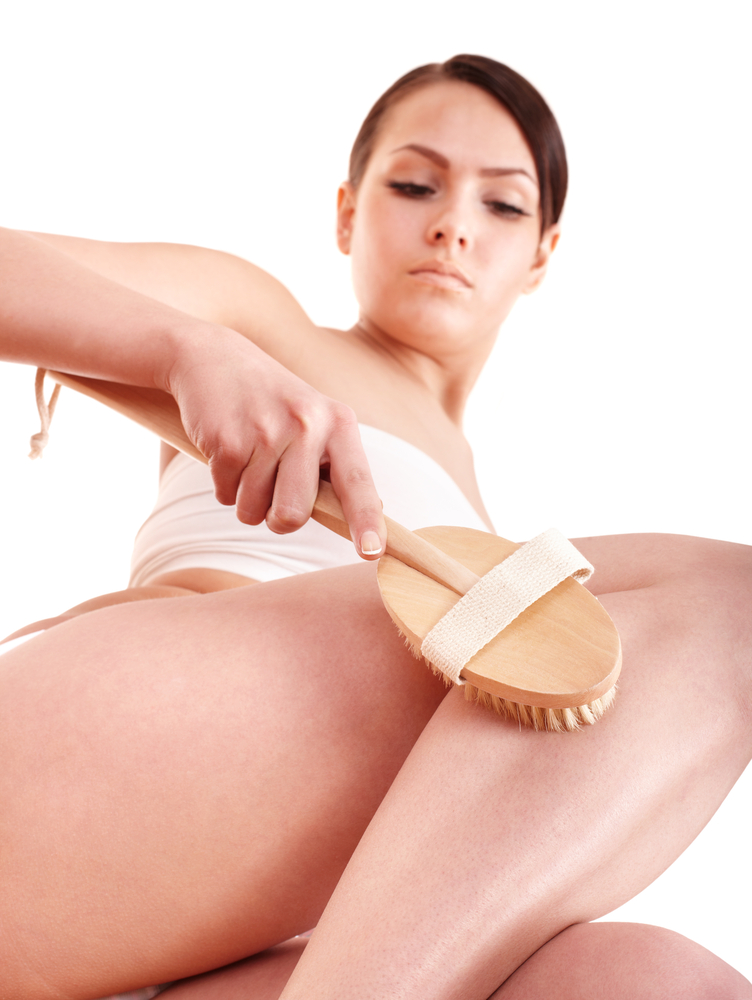
Dry brush massage, or dry brushing as I call it, is using a dry vegetable fiber brush to lightly scrub the dead skin cells off your body. Very much like a body scrub spa treatment here in the U.S., dry brushing is a way to stimulate the skin and remove the upper epidermal layer, leaving a fresh, rosy complexion to your body.

I like to use a vegetable fiber brush that you can get at most health food stores. In Los Angeles I like Erewhon Natural Foods near CBS on Beverly Blvd., which right down the street from my West Hollywood chiropractic office. You can also use a loofah or a coarse sponge if you have one lying around, but make sure it’s dry.

Starting with the soles of your feet, brush vigorously in rotational motions, and brush your entire body. When first starting the practice, go lightly, as your skin will be sensitive. You’ll want to be extra careful around the genitalia, axilla (armpits), and neck, which are very sensitive; and DO NOT brush the face (dry brush is too rough for the facial skin, and a good exfoliating scrub should do fine here). You want to brush until your skin becomes warm, glowing and rosy.

Five to ten minutes of dry brushing should be fine. The best time for dry brush massage is first thing in the morning or right before bed. I think dry brushing once a month is plenty, but I know some people do it more often. I do, however, think that more than once per week is excessive–moderation is key here.

The skin is the largest eliminative organ of the body (in size, not function). This surprises some to hear, but our skin is specifically designed to excrete impurities (along with its protective, sensory and other functions). When dead skin cells accumulate on the outer layers, the pores of the skin can become clogged, preventing the excretion of impurities and wastes. Further, vitamin D is produced in the deepest epidermal layers of the skin in response to sun absorption, so keeping the outermost layers as desquamated (sloughed off) as possible should help on this end too.

Finally, regular dry brushing can energize the lymphatic and circulatory systems, stimulating the movement of vital fluids. It will also stimulate the nervous system, helping you reconnect with the sensory receptors on the surface of your skin, and act as a vitality rejuvenator. Dry brushing also stimulates oil production from the glandular system, giving your skin a healthy sheen.

Dry brushing is a wonderful health and beauty practice sure to increase vitality, beautify your complexion, and improve your overall health. It’s a powerful natural anti-aging technique that I’ve been taking advantage of for years. Visit your local health food store and purchase a dry brush today. Dry brush for health, wellness and ageless beauty–you’ll be pleasantly amazed at the results.

*I refuse to entertain notions of cellulite removal from dry brushing as the suggestion of such is absurd.

I was recently asked by a twitter follower how much vitamin D is needed, and how much is too much. This question is much more complex than can be done justice in 140 characters, so I decided to write a quick guide to determining your vitamin D needs.

You’ll need to start by getting your blood D levels checked. Okay, there’s lots of differing opinion on how, and what, and where, and so forth. Let’s just keep things simple: Next time you are at the doctor’s getting a physical, ask him or her to do a vitamin D test (serum 25-hydroxyvitamin D test). They will run the blood you are already providing them with, although my physician often forgets, requiring me to go back in for a second blood letting. Whatever–it’s worth it to me.

You’ll probably have to pay for the test if you live in the U.S. The last one I got cost me somewhere in the $200 range, and that was after insurance covered a minimal portion. Listen, I believe so strongly in getting blood levels of D checked, that the cost is also worth it to me. (Life Extensions Foundation endorses a $47 test that you can get by calling the 800-number in their article here).

You will get your results within a couple of days. The numbers can vary depending on the lab, but good reference points for adults are between 30-100 ng/mL for optimal levels. Levels of Serum D between 20-29 ng/mL indicate insufficiency, while anything below 20 ng/mL is a frank deficiency (that includes in children as well, although anything above 20 ng/mL is considered optimal for pediatrics).

If your blood D levels come in at 29 ng/mL or less, your doctor may prescribe 50,000 international units (IU) for a short course to bring you back up to par. After that, taking anywhere from 1,000-10,000 IUs per day is recommended to keep levels up, of course, those numbers depend on the source. The standard is that you want to bring the numbers above 30 ng/mL, but according to some, optimal levels are above 50-60 ng/mL (this is the range I’d shoot for as I trust these sources, and here).

Obviously, what you need depends on your current levels, so again, getting tested is a must. I want to emphasize that vitamin D is the sun-nutrient, and in my opinion, getting adequate sunlight is the best approach. But I do realize that parts of the world get very little sunlight at various times of the year, so I am a believer in supplementation.

So, there is no easy answer to the “how much vitamin D” question. Get tested, find where you are, and then go from there. Hope that helps.

It’s baaaack…swine flu, baby. But will it be with a vengeance? A current report lists the number of dead in Mexico due to an outbreak of A(H1N1) swine flu at 9, with 573 cases being detected officials said Sunday. The strain represents 90% of the flu cases in the, country, according to the health ministry.
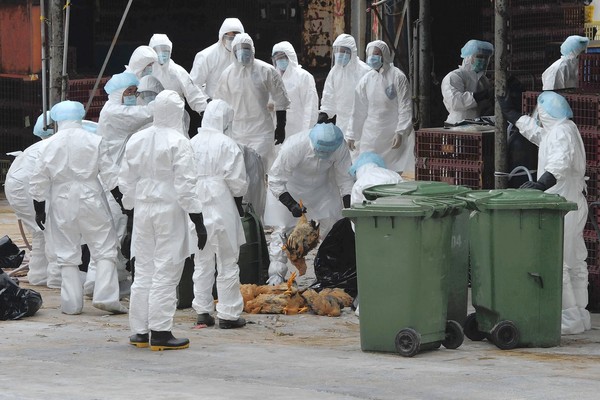
Officials state that the number has risen sharply from the 333 detected on Thursday, but Mexican authorities have brushed aside suggestions of a new health emergency, despite tracking new cases since December. More than 1,250 people died in Mexico (and 17,000 worldwide) in 2009 due to the H1N1 pandemic of that year.

Outside of Mexico, there doesn’t seem to be much to worry about at the moment. If you recall in 2009 U.S. health authorities attempt to create a big scare, and consequent mass inoculation against the H1N1, and what a fiasco that turned out to be.

I’m not saying that a swine flu outbreak can’t be a real danger to the modern world, but it didn’t turn out that way in ’09, not as far as the potential hysteria could have been, and it doesn’t look like it will now. But I’ll keep my eyes open for ya. Till then–stay calm everybody!

In my book, The Six Keys to Optimal Health, I propose that there are three parameters by which one can evaluate one’s health: how one looks, how one feels, and how one functions. But there might even be a fourth way, and that is how one smells. I know this might sound obvious to some, and to others an absurdity, but I assure you it’s something we are just learning.

Body scent, or the more oft-used term body-odor is produced when secretions from the apocrine sweat glands come into contact with bacteria on the skin. The apocrine sweat glands are located in the axillae (armpits), the areola of the nipples, and the genitoanal region. They are inactive until puberty, at which time they are stimulated by sex hormones to secrete an odorless, milky substance that reacts with our skin bacteria to create pheromones, which are thought to function as chemical attractors for potential mates.

Now here’s where it gets interesting: Several recent studies have shown that people smell different due to the types of bacteria they have on their bodies. For instance, one study carried out by high school students (I know…so proud of those little geniuses) showed that we can accurately identify our own smell, and also with a very high frequency rate, that of our friends. Useful right, to be able to discern between self, tribe and others? And another study done in Thailand used a mechanical nose (just play along) to find that people did smell different based on their bacterial makeup. Wow! So how does this relate to health?

A third study conducted last year at the Institute of Cytology and Genetics in Novosibirsk, Russia showed that female volunteers, who compare the odor of the sweat of healthy men to that of men infected with Gonorrhea and men who had been treated for Gonorrhea, consistently rated the odors of the men with Gonorrhea as worse than either those without the disease or those who had already been treated for it. Whoa! Yes, it appears that humans have the ability to discern another’s health through their smell (at least with regard to gonorrhea). Fascinating!

So there you have it–the nose knows, or so it appears. It really does make sense to me. I had always noticed that elderly people have a certain smell to them, different from younger people, and not necessarily bad, mind you–just different (the Japanese call it Kareishu). Not suggesting that elderly people cannot be healthy (as I speak very frequently to the affirmative here in this blog), but that our smells may change as our bodies change, whether we are talking aging or illness. I am certain that even the foods we eat regularly contribute to our smell…and I don’t just mean garlic breath, either.

What fascinating information coming from the world of olfaction–an obsession of mine. I am certain there are more to the biological functions of smell than meets the nasal passages, and our brains’ ability to process these olfactory (scent) inputs is an evolutionary phenomenon of the most intriguing character. Looking forward to more on this subject in the near future.

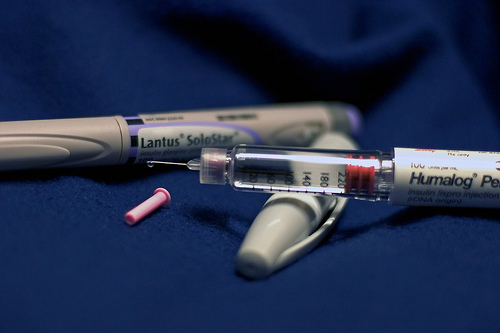
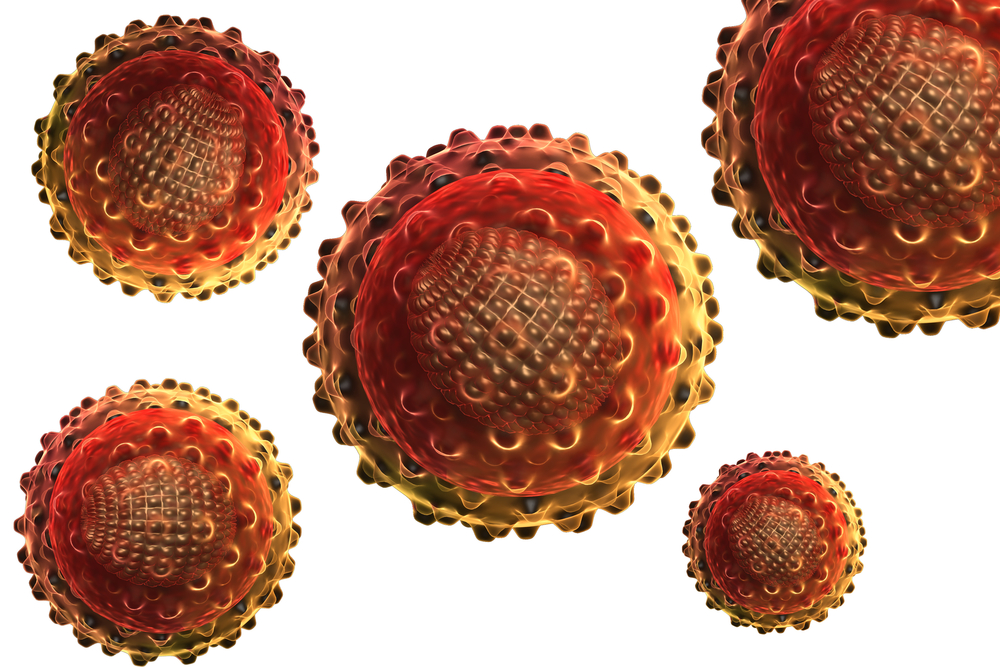
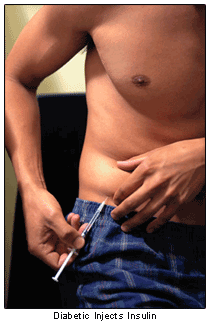
Every junkie knows it’s unwise to share needles, but somebody needs to tell it to diabetics. Sharing insulin pens puts people at risk for infection with blood-borne pathogens such as hepatitis viruses and HIV. And here’s the kicker: Infection can occur even if an insulin pen’s needle is changed.

Insulin pens are injector devices that contain a reservoir for insulin or an insulin cartridge. They’re designed to enable patients to self-inject insulin and are intended for single-person use. But sharing is what some diabetics are doing. Not smart, folks. Check it:
In 2009, reports of improper insulin pen use in hospitals led the Food and Drug Administration (FDA) to issue an alert to health care workers (duh!) to remind them that pens are for single-patient use only. But despite the warning, there have been continuing reports of patients put at risk through inappropriate reuse and sharing of insulin pens, including an incident last year that required notification of more than 2,000 potentially exposed patients, said the Centers of Disease Control (CDC).
The CDC’s recommendations:

  • Insulin pens containing multiple doses of insulin are meant for use on a single patient only, and should never be used for more than one person, even when the needle is changed.
  • Insulin pens should be clearly labeled with the patient’s name or other identifying information to ensure that the correct insulin pen is used only on the correct patient.
  • Hospitals and other facilities should review their policies and educate staff regarding safe use of insulin pens and similar devices.
  • If re-use of an insulin pen occurs, exposed patients should receive immediate notification and be offered appropriate follow-up, including blood-borne pathogen testing.

The recommendations apply to any setting where insulin pens are used, including health care facilities, assisted living or residential care facilities, health fairs, shelters, detention centers, senior centers, schools and camps. Be safe, diabetics–share no insulin pens. Nuff said.

In the news of the nauseating this weekend, the Centers of Disease Control (CDC) reports that illegally imported bushmeat confiscated at five major U.S. airports contained potentially dangerous bacteria. Items confiscated as part of the study included raw to semi-cooked animal parts, including those of primates like baboons and chimpanzees as well as various rodent species. The bushmeat was imported from Africa.

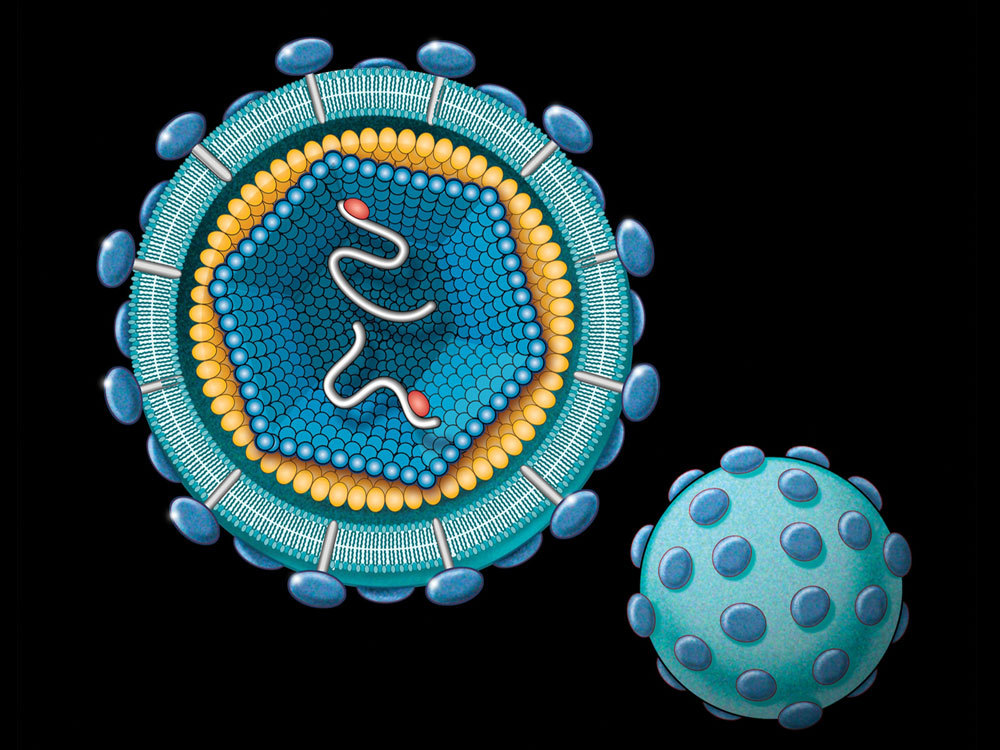
Among the pathogens identified in the products were a zoonotic retrovirus, simian foamy viruses, and several nonhuman primate herpesviruses. This presents a risk to humans as pathogens can spread from wild animals to people. In fact, some believe that HIV may have originally been transferred from apes to humans, and that a second AIDS-like epidemic is possible through this type of transmission, called zoonosis.

It’s not just bushmeat that poses a threat, but also wild animals imported as pets. A study conducted by EcoHealth Alliance showed that over a six-year period that began in 2000 approximately 1.5 billion live wild animals were legally imported into the country with 90% slated for the pet trade. I mean, who wasn’t shocked by the news of this loser releasing 56 exotic animals he was holding in captivity on his property in Ohio. Said Ian Lipkin, a researcher from Columbia University’s Mailman School of Public Health,

“Exotic wildlife pets and bushmeat are Trojan horses that threaten humankind at sites where they are collected in the developing world as well as the US. Our study underscores the importance of surveillance at ports, but we must also encourage efforts to reduce demand for products that drive the wildlife trade.”

The United States is one of the largest consumers of imported wildlife products and wildlife.

Some of the pathogens that can be contracted by humans zoonotically are:

  • Ebola virus–found in chimps, gorillas and bonobos, and spread to humans by handling and consuming the meat of such great apes
  • Monkeypox virus–found in the bushmeat of African squirrels from the Democratic Republic of the Congo
  • Human Immunodeficiency Virus (HIV), the virus which causes AIDS, originated from a similar virus in primates called Simian Immunodeficiency Virus (SIV); researchers believe that HIV probably initially jumped into humans after people in Africa came into contact with infected bush meat. There are several distinct strains of HIV, indicating that this cross-species transfer has occurred several times.

The U.S. Fish and Wildlife Service has also reported that more than 55 million pounds (25 million kilograms) of wildlife products enter the country each year, with New York City being the most common port of entry followed by Miami, and Los Angeles.

All I can say is…c’mon people! What’s with the desire to own exotic animals as pets? This is such a cruel and idiotic practice, I don’t even know where to begin. I mean, the Florida everglades being invaded by Burmese pythons released by pet owners–duh! I’m sorry but I just don’t sympathize with people that get their faces bitten off by pet chimps. Not only is the practice of owning exotic animals and importing bushmeat a danger to the individual, but it puts us all at risk. Both these practices need to be outlawed and severely punished. Offenders of this nature are savages in my book. Try evolving, dammit.

Thought I would end the year with a little fun. Recent studies suggest that people who read fiction might be better at understanding others. In fact, regular readers of fiction may be better at social interaction than non-fiction readers (or heavens-forbid non-readers).

In one study, psychologists assessed the reading habits of 94 adults. They then tested the volunteers on two types of social skills–emotion perception and social cognition. The volunteers were tested for emotion perception to discern a person’s emotional state from photographs of just the eyes. You can find that test here. Please try it–I’d like to know whether you are a fiction reader and how you scored. I am sometimes a fiction reader, but I definitely consume way more non-fiction than any other genre. I scored 26, which is average.

In the second test, participants answered questions about video clips of individuals interacting. The researchers found that the more fiction people read, the better they were at perceiving emotion in the eyes and, to a lesser extent, correctly interpreting social cues. These results drew the first strong connection between reading fiction and social skills.

Since this study was published in 2006, more research has been done in the area, showing that regular fiction readers perform better in understanding social cues and interactions. Kooky, huh? But it makes sense. Essentially, scientists believe fiction allows the reader to immerse himself or herself in a story. It is in the unfolding of the story that the reader gets to understand human emotions and thus can extrapolate this understanding to the world around them.

There was a time when scientists thought the opposite—that reading fiction could do little to help people understand others because it was made up. Uh uh…good fiction is understanding human emotions because, without them, a good story is rarely told. We are emotional beings, and so we resonate with the human condition.

Yes, these results make sense to me, although I would have never considered it before I heard of the above test and findings. G’head, take the test, see how you do, and report back. I’d like to know. Happy New Year.

Five years ago I wrote and published a book called The Six Keys to Optimal Health. I really contemplated the concept of adding a seventh key, which would have been hygiene, but I resisted because I made a gross assumption–that pretty much everybody in the modern world is attuned to this paramount health practice.

I now realize that I was severely wrong.  In fact, improper hygiene seems to be a continuing scourge of the new millennium. From dirty hospital rooms, leading to an increased spread of antibiotic resistant bacteria, to dirty tattooing equipment, to dirty soda fountains, it’s pretty clear to me that human beings haven’t yet gotten this one down, so let me say it loud and clear: WASH YOUR HANDS!

Whew, I feel better. According to researchers at the Canadian Center for Occupational Health and Safety,

Hand-washing is the single most effective way to prevent the spread of infections. You can spread certain ‘germs’ (a general term for microbes such as viruses and bacteria) by touching another person even casually. You can also catch germs when you touch contaminated objects or surfaces and then touch your face,” the group explained in a news release from the Society for Women’s Health Research.

Yes, wash people. You go to the WC…wash. You shake somebody’s hand…wash. You handle money…wash. You touch food? Wash. You work with people? Wash. You have kids with snotty noses? Wash dang it!

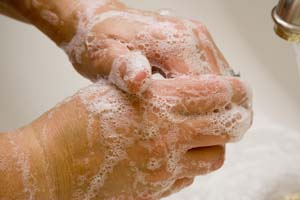
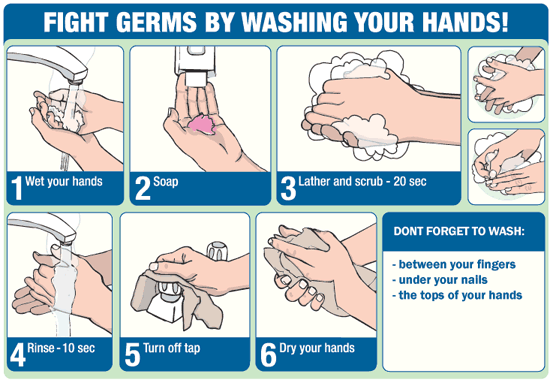
Oh waaait…you don’t know how to properly wash your hands? Got it…okay, well here you go…straight from the Centers of Disease Control:

  • Place hands under clean, running water.
  • Once wet, add soap and rub hands together until suds form.
  • Scrub on every surface for at least 20 seconds (the amount of time it takes to sing “Happy Birthday” twice), including both sides, between fingers and under fingernails.
  • Rinse hands again under running water and dry with a clean dry towel or air-dry.

Listen, proper hygiene is so important it’s often the difference between developed nations and third world countries. Some people even believe that it was the improvement in methods and practices of hygiene and not vaccinations that led to the dramatic decrease in death and illness due to infectious microorganisms–I’m one of these people.

Simple as this–wash your hands like you’ve never washed before. Get a sink in your car. Wash in your sleep. Go nuts–you can never wash too much. This has been a public service announcement.

I recently showed you a great shoulder stretch for relieving pain from a tight posterior capsule. As I explained in that post, that first stretch was the basic, and that I would show you an advanced stretch for shoulder pain relief and prevention.

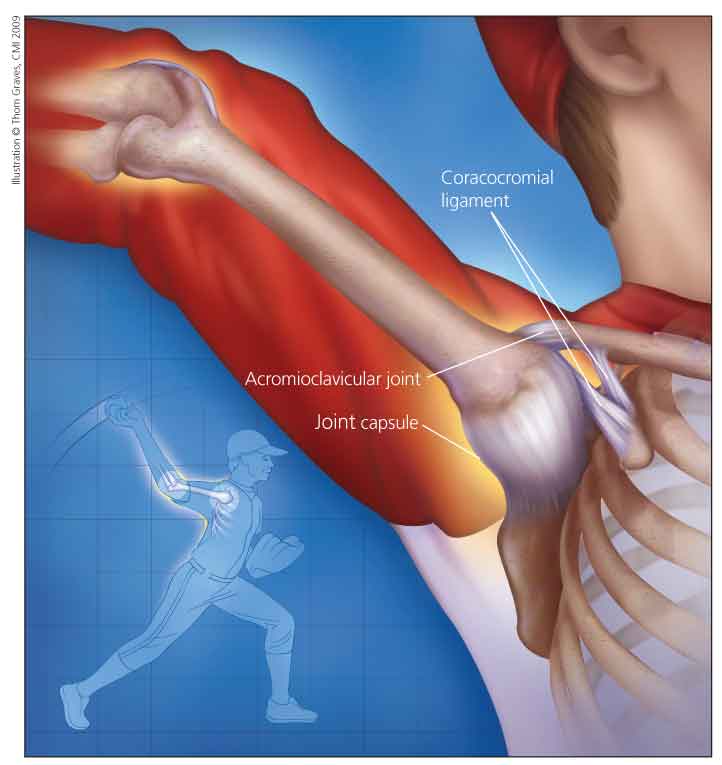
The posterior capsule, when tight, can cause pain in the back of the shoulder joint (GH). A tight posterior capsule can lead to “dead arm” in throwers like baseball pitchers, shoulder impingement syndrome, and labral tears (SLAP lesions). Stretching the posterior capsule, consequently, can prevent the above conditions and even avert surgeries to repair  labral tears/SLAP lesions.

Watch the video below to see the advanced posterior capsule stretch. I call it the 90°-90°-90° stretch, but it also known the sleeper stretch. I advise any athlete that throws or uses a racket to do this stretch. So baseball and tennis players will get a lots of use out of this one. And I would do it daily. Studies show that Major League Baseball pitchers that incorporate this stretch into their routines have less shoulder injuries and repair surgeries than those not doing the stretch regularly.

And if you are just a regular Joe with shoulder pain, then definitely get checked by a Los Angeles sports chiropractor, but also try these stretches–they are that useful and can only help (people with shoulder impingement syndrome might have increased shoulder pain when doing this stretch–more reason to see a sports doctor). Enjoy.


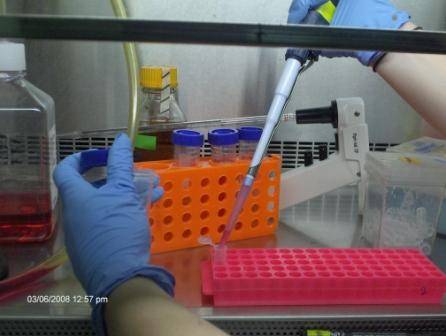
You’ve heard of genetically modified foods? How about genetically modified pathogens? H5N1 to be exact–bird flu, made in the lab. Anybody else get the heebie jeebies from that notion?

The World Health Organization (WHO) released a strongly worded statement today warning against the dangers of the U.S. government-funded pathogenetic engineering information getting into the wrong hands and exposing the world to a potential bioterrorism threat. WHO said it was “deeply concerned about the potential negative consequences” of the study.

“This is not the kind of research that you would want to have out there,” WHO’s top influenza expert, Dr. Keiji Fukuda, told The Associated Press in a telephone interview.

On the flip side, WHO concerned that all credible scientists should have access to the information. Huh? The U.S. National Institutes of Health (NIH) last week asked scientists at Erasmus University Medical Center in the Netherlands and the University of Wisconsin-Madison to refrain from publishing full details of their work on how to make the H5N1 virus more easily transmissible between humans.

H5N1 rarely infects humans and usually only those who come into close contact with poultry. But among those infected, up to 60% die, and scientists are closely watching the virus for any signs it is becoming more easily transmissible from human to human.

The WHO and the scientific community are concerned about the steps the NIH has taken toward censorship. Many are concerned that this move will keep important information out of the hands of those who may need it, particularly in Asia where preventing a pandemic is of the utmost importance.

Dr. Fukuda reports that WHO has not yet received copies of either group’s research, and he states wisely if not ironically, “I’m hoping that we are privy to as much of the details as possible, but like anybody else one of the questions for us is what kind of information do we need to know.”

Exactly–conundrum 101. It’s a dangerous venture designing pathogens in the lab, but the information gathered, I am certain, will be valuable if need arises to thwart a pandemic. However, there is always an inherent risk when you play with fire; we should know this in the post-Cold War nuclear era. So with plus comes minus, and our need for knowledge can create the very thing we fear–a bird flu pandemic, in this case, but caused by accident or through malicious intent.

If I told you, though, that we can’t escape conflict, would it have meaning? Listen, I’ve got no problem with the scenario as it exists. The U.S. government funding research to understand H5N1 seems as reasonable as doing so for HIV. Naturally, because of the sensitive nature of the information, it must be classified. It would be a fantasy to think that while we have this powerful knowledge and technique called genetic engineering that we wouldn’t use it. I’ve said time and again, genetic engineering is here to stay. What is important is using it wisely.
Somebody is going to try genetically engineering whatever can be imagined–may as well be under the system that’s based in checks and balances (and before you start with the conspiracy stuff, please think of which nation or organization you’d rather have the information). In that regard, I think the U.S. government and NIH have done right by censoring this information. Can’t get nuke building info easily–it shouldn’t be any different for sensitive pathogenic information. Good job U.S.A.

More bad news for junk food, as a recent study published in the journal Neurology shows that elderly people having higher levels of certain vitamins and omega 3 fatty acids in their blood score better on mental acuity tests than those who eat the junk.  Further, researchers found that eating better might even reduce the brain shrinkage associated with with Alzheimer’s disease. Booyah!

The study, conducted at Oregon State University, and one of the first of its kind, looked at 104 people at an average age of 87, and specifically measured a wide range of blood nutrient levels (instead of basing results on food questionnaires, which are less precise and less reliable).

“The vitamins and nutrients you get from eating a wide range of fruits, vegetables and fish can be measured in blood biomarkers,” said Traber Maret Traber, a principal investigator at the Linus Pauling Institute and study co-author. “I’m a firm believer these nutrients have strong potential to protect your brain and make it work better.”
Yes, so am I! I’ve been preaching for years. Always happy to see the science back up a universal truth–whole, natural foods are healing and health enhancing. We’ve gone through millions of years of evolution feeding ourselves the foods of the earth–can’t think of any Doritos shortages that challenged mankind, can you?
The principle vitamins they found to help neurological health are some of my personal favs–vitamins B, C, D and E, as well as the omega 3 fatty acids–which increased mental quickness and brain size.
Elderly people that had diets high in unnatural and unhealthy foods, like those laden with trans-fats, fared worse on cognitive tests. Although the researchers found that age and education had major effects on cognitive function and brain size, nutrient status accounted for 17% of the variation in scores, and 37% of the differences in brain volume.
Well, what can I say other than…been tellin’ ya. Eat well–it’ll take you far. This study looked at people with typical American diets–some good, some…well, not so much. But it’s not too late to make the switch–in fact, perfect time for the new year. 
I’ll leave it to study co-author Gene Bowman of the Oregon Health and Science University to conclude with, “It is very exciting to think that people could potentially stop their brains from shrinking and keep them sharp by adjusting their diet.” Indeed.

It appears as if I must close out 2011 by warning people against getting invasive procedures overseas. Yesterday breast augmentation, today tattoos. Yes, tattoos are invasive–and if you’re planning on getting one overseas because the price is right, reconsider. Australian officials claim that a recent tattoo receiver likely caught HIV from the ink-needle of an artist on the Indonesian resort island of Bali.

Australian health authorities recommended that people who had recently been tattooed on the island, known for its white sandy beaches, partying and nightlife, should consider being tested for HIV and other blood-borne viruses (and I’m personally even more afraid of hepatitis).

“All the evidence points to a tattoo received recently in Bali as being the source of the infection,” Western Australia’s Department of Health said in a statement dated Friday.

“This case demonstrates the very real health risk in having this type of procedure done overseas,” said Paul Armstrong, the department’s director of communicable disease control.

No shiitakes! Dang people, what’s with the utmost trust in others that makes you think humans are above using dirty tools on you? That’s just foolish. Forget the ignorance and differences in standards of many third world countries–but some people just don’t care. One reason we take things like simple hygiene for granted in the western world is that we’ve gone through the pain of experience over the last century to understand the cleanliness/godliness thing. In other words, we’ve got to be clean by law, and any violation is met with punishment and shutdown. Can we say the same for Bali?
The real answer from me is, “I don’t know”…but that’s enough for me to keep my procedures home-grown. So if you don’t know, these procedures would include:

  • plastic surgery
  • tattoos
  • dental work
  • other surgeries
  • ear piercings
  • other body piercings
  • delivering babies
  • and darn it…probably sex too (but that’s just my peculiarity)
If you feel like the deal you’re getting overseas just can’t be beat, then, well…just know the risks. I’d pay top dollar, myself, to know I’m getting the best procedures done; but really, I do care and think about my health like that. Hope you do too.
Posterior Capsule

Shoulder pain is probably the condition I see most in my Beverly Hills chiropractic practice. Because of the mobility of the shoulder joint, it is prone to all kinds of pain conditions. In an attempt to stabilize an often non-stable shoulder joint, the body will create certain circumstances that can lead to pain and discomfort of the shoulder.

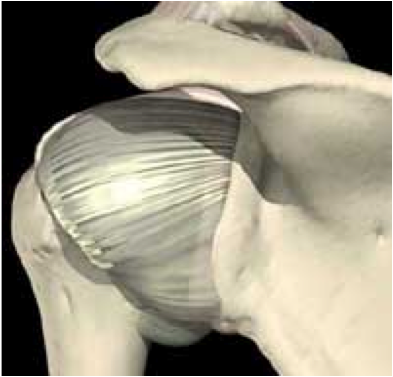
One such situation occurs with a tight posterior capsule, which is a connective tissue at the back of the glenohumeral (GH) joint. When this tissue gets tight, it can cause a narrowing of the subacromial space, increasing the probability of pinching off and thus causing inflammation to the elements that sit in the space, or causing a shoulder impingement syndrome.

To stretch a tight posterior capsule at home you can do this following stretch (demonstrated in video below). This excellent shoulder stretch loosens the tight posterior capsule, allowing the subacromial space to open and thus preventing shoulder impingement.

Try the stretches in the video below to relieve shoulder pain and prevent shoulder injuries. But don’t forget to visit your friendly neighborhood Beverly Hills sports chiropractor for shoulder pain relief.

This post will probably rub some tired people the wrong way, but…well, I’ve been waiting a long time to write it. I guess it’s time. It has to do with chronic fatigue, and the attempts to turn it into a disease, with it’s own microorganistic causation, and probably a slew of drugs and support groups. Evidence to the affirmative has been lacking, however, and the latest happenings has a prestigious medical journal retracting a controversial 2009 report that linked chronic fatigue syndrome (CFS) to a virus. Sorry folks.

In an unusual move, the journal Science is taking the retraction step on its own. Normally, authors retract their own research papers when serious problems arise after publication, but according to the scientific publication, the authors are having trouble agreeing on the wording of their statement. A retraction signed by all the authors “is unlikely to be forthcoming,” said the journal.

Chronic fatigue syndrome is characterized by severe fatigue for at least six months, impaired memory and other symptoms.
The 2009 paper, from scientists at the Whittemore Peterson Institute in Reno, Nev., the Cleveland Clinic and the National Cancer Institute, reported finding a virus called XMRV in blood cells of some patients with chronic fatigue syndrome. That raised hope that a cause of the mysterious illness had been found, although other viral suspects, like Epstein-Barr virus (EBV) over the years had proven to be false leads.

Follow up studies, however, failed to show a link, leading Science magazine to publish two reports last May suggesting the original finding was due to lab contamination. Doh! In September, the authors retracted some of the data, citing contamination. Science said the authors had also acknowledged omitting important information about the study’s procedures in an illustration of some lab results.
Sigh…as much as I sympathize with people feeling really, really tired (I know, I know…), I think the problem in chronic fatigue is psychosomatic. Now there’s often a misunderstanding with this term–psychosomatic does not mean that something is simply a figment of the imagination, that it doesn’t exist.  On the contrary, the physical condition exists, but it is the manifestation of many components including social, psychological and behavioral factors. And I am confident that this is the case with CFS.

I believe that CFS is rooted in a generalized lack of purpose in those exhibiting signs and symptoms of chronic fatigue. Whoa! I know, many reading this are going to flip. How dare I blame the victim? No blame here, just an observation. I have had numerous clients in my West Hollywood chiropractic clinic demonstrate signs and symptoms of CFS, and my observation is that most of these people were not working, they had nothing inspiring them, and their drives were stuck in survival mode–I know I’d be fatigued with life under those circumstances too.

Well…perhaps these people had no drive or inspiration, and lacked work because they were suffering from unusual fatigue. I doubt it. Anecdotally speaking, I had lived a purposeless life for a short period during my youth. I slept for long hours, was tired all the time, my body ached, and I was certain there was something wrong with me physically. But it wasn’t until I made decisions from my heart as to what I wanted my life to be about that I developed a renewed vigor. Today, I rarely sleep longer than six hours, and my energy levels are booming.

I realize that my experiences do not a scientific study make. But they shape my beliefs, and that along with the failure to find any infectious agent or other solitary cause for that matter, make it easy for me to hold my convictions. Further, if the illness is in fact a medical condition, in the sense that it requires physical or chemical treatment, then exercise and psychotherapy seem to be the most effective treatments available so far. Not rocket science. And all this goes for fibromyalgia too.

Listen, I know when people are in a rut–when they aren’t in touch with their heart’s drive, their life’s purpose–it can be very fatiguing. I’ve lived it. But the answer will never be in medicalizing the condition. Finding purpose in one’s life will do much more for this condition than searching for viruses that aren’t there. Surely, a virus can be found…we have many to choose from, as they permeate our world, but is that really it–doubtful. Sorry to shatter the illusion.

See Part One here; Part Two here.

South American authorities are considering their next move on the heels of the French government’s recommendation that 30,000 French women have their silicone breast implants, manufactured by Poly Implant Prothese (PIP), removed. The now-bankrupt French implant manufacturer is facing criminal charges as its chief executive is on the lamb, wanted by Interpol and Costa Rican authorities for crimes involving “life and health.”

Tens of thousands of women in over 65 countries around the world have the same implants, made from industrial rather than medical quality silicone. The implants are also said to be at an unusually high risk for rupture. Most of the women having received the PIP implants live in South America and western Europe.

The implants are particularly widespread in Venezuela, Brazil, Colombia and Argentina across different economic levels, with many young girls eager to augment their bust size before they become adults.

In Brazil, a National Health Surveillance Agency (ANVISA) spokesperson said that it “has not yet made a recommendation,” echoing the sentiments of health professionals and officials in other Latin American countries. He states that the French government also recognized an as of yet unproven cancer risk to ruptured PIP implants.

Ironically, PIP implants were banned in Brazil in April 2010 when problems were first reported, but 25,000 implants had already been performed in the country, according to ANVISA. Around 100,000 women get silicone breast implants in Brazil each year (including Americans). Silicon implants were banned in the U.S. for fourteen years until 2006 when the restrictions were lifted.

“The medical facts that we know suggest that these implants can rupture earlier and with a greater risk of inflammatory reaction,” said Brazilian Society of Plastic Surgery president Jose Horacio Aboudib.

Aboudib said his group in Brazil recommended that women who received the implants get tested early to make sure the implants were viable.

Venezuela’s union of plastic surgeons agreed, declining to recommend that women with the PIP implants get them removed, recommending preventative checkups instead. About 40,000 breast augmentations are performed in Venezuela each year, and plastic surgery is widespread in a country that has produced regular top contenders for Miss Universe over the years.

Surgeon Juan Jorge Blanco noted that breast augmentations used to be prohibitively expensive but that costs have since dropped to $3,000-7,000. “Women from all social backgrounds now get operations,” he said.

Argentina’s ANMAT drugs authority urged 15,000 women who received implants to “consult” their doctors.

In Colombia, implants are sometimes offered as birthday gifts, especially for “quinceaneras”–girls’ 15-year-old birthdays–that mark a girl’s passage into young womanhood.

“Drug traffickers also offer the surgery as a gift to their girlfriends,” said surgeon Celio Bohorquez, spokesman of the Colombian Society of Plastic Surgery.

This cosmetic surgery scandal is multiplied exponentially by the hordes of women who have run to surgical enhancement over the last couple decades. It really put the practice into its massive perspective, as we see the scare affecting up to 300,000 women in over sixty countries.

My advice to the women of Latin America, and to tourists taking advantage of the rock-bottom prices of plastic surgery in foreign countries, be extra careful. Usually regulations are much more lax outside of the U.S. and Europe, and as I have said in this blog–any unproven and risky drug or procedure will find its way to South and Central America sooner or later by rogue practitioners or corporations ready to make a buck.

The surprise to me is in the brazenness PIP showed in its safety protocols and practices. I recommend that all women suspecting that they may have silicone breast implants manufactured by PIP to call their surgeon to discuss removal options and risks. Once again, my sympathies to any and all involved.

Copyright © 2013 Dr. Nick Campos - All Rights Reserved.