BODY | MIND | SPIRIT | LIFE
Big “No duh!” at the latest reports that pulling cough and cold medicines led to a significant drop in children’s ER visits resulting from bad reactions to the drugs. According to the Centers for Disease Control and Prevention (CDC), which led the study, ER visits for children dropped by more than half–from 2,790 visits to 1,248–following the Food and Drug Administration’s (FDA) warning against using the medication.
In 2007, manufacturers of cough and cold medicines voluntarily withdrew their products, mostly syrups, following complaints from pediatricians that the medications don’t work in young kids and posed a safety risk because of accidental overdoses causing extreme drowsiness, increased heart rate and even some deaths.
For the study, CDC researchers compared nonfatal ER visits in children younger than 2 with bad reactions to cough and cold medicines in the 14 months before the withdrawal and in the 14 months afterward.
On the down side, two-thirds of children’s ER visits, both before and after the withdrawal, resulted from children taking medications on their own. It is likely due to parents having not thrown out old medications and possibly leaving them easily accessible.
According to one ER physician at Chicago’s Children’s Memorial Hospital, Dr. Elizabeth Powell, many parents felt helpless following the removal of cough and cold meds from drugstore’s shelves. Powell states that it is not uncommon for parents to bring babies with stuffy noses and other cold symptoms to the ER for help, but that there isn’t much that can done for them there.
Sigh…parents, let your kids fight off their colds on their own. Can’t we just resist the temptation to save our kids from any and every discomfort they encounter? Geez. Try, at least. This is where our parents had it wayyyyy above us–they didn’t have a crutch for every challenge thrown into their laps. When we got sick–bed, soup, TV, mama–that was it.
Next time you find yourself jonesing for the Robitussin for junior, think back to the time when you were walking to school barefoot in the snow…uphill both ways. That’ll remind you that you did just fine without cough and cold medicine. Your kids’ will, too. Promise.
Here’s an interesting thought: Humans may subconsciously create pain conditions in their bodies to relieve emotional stresses. Hmmm…what do you think? Are our physical ailments simply a way for us to deal with mental misperceptions? Check it out:
Scientist have recently found that people who practice self-mutilation, clinically known as nonsuicidal self-injury (NSSI), show decreased brain activity in areas responsible for negative emotions (anterior cingulate and the amygdala), while activity in the dorsolateral prefrontal cortex—an area responsible for pain integration—increased as a result of pain.
To explain the findings, researchers have toyed with the idea that self-mutilators actually enjoy pain. Wrong—since people suffering from NSSI primarily engage in self-inflicted pain–usually cutting or burning the skin—during times of increased stress. Researchers also proposed that perhaps self-mutilators are attempting to punish themselves. The problem with this reasoning, however, is that, by definition, punishments increase negative emotions and make behaviors less likely to occur in the future. Not the case with those practicing NSSI.
Enter a few new studies. One recent study showed that fruitflies will avoid noxious odors associated with a painful shock; however, they will gravitate toward the same noxious odors when the odors are associated with shock removal. Hmmm again.
In a second study, scientists found that removal of various forms of experimental pain were associated with a reduction in negative emotion in people with no history of NSSI. What makes these findings especially interesting are that both general negative emotion and pain-induced negative emotion are processed in the same brain areas. That means that pain relief and emotional relief are essentially the same thing. Many of us know that pain-numbing drugs like alcohol also temporarily reduce emotional pain (until, of course, they lead to new forms of pain). But recent research has shown that simple over-the-counter analgesics (pain relievers) also reduce emotional pain.
So scientists believe that self-inflicted pain, at least as it relates to people engaging in NSSI, may serve the function of reducing emotional pain or stress. I propose that all pain states, thus all illnesses, result from the mind’s attempt to balance emotional events. I’m not saying that illness is merely due to negative thinking, because I think any exaggerated thought process–whether positive or negative–can lead to disproportionate emotions. I’m saying any unbalanced emotion can ultimately lead to illness.
I am fascinated by this study as I think it opens doors to the workings of the mind and it’s involvement in physical experience, including health and disease.
It’s all happening–we’re turning into cyborgenic mashed potatoes. Spectating instead of acting in this very real, theatrical presentation called human life seems to be the norm for many in the new age. Take what happened at USC last night: TV’s Science Guy, Bill Nye, collapsed onstage, mid-sentence, as he walked toward a podium during a talk he was giving. Instead of anybody running to his aid, the crowd simply picked up their PDAs and started tweeting…yes tweeting. Doh!
One student gave the play by play with: “Bill Nye tripped on his computer cord while speaking at USC, was out for abt 5 secs, got back up, spoke w/ slurred speech and fainted.”
According to preliminary reports, Nye is doing fine physically; the cause of his fainting unknown. But what interests me is the reliance…nay, addiction perhaps…to our technology.
In another recent incident, foul-mouthed comedian, Messy Mya, who is known for his YouTube video rants, was shot dead last Sunday (November 14th) in the streets of New Orleans. Again, instead of anybody helping him, cell phones are being pushed up into his face for photos and video of the pooling of blood next to his head.
Sick? Or just the modern-age? I’ll let you decide.
I’m a big proponent of adopting technology to improve and simplify our lives. In fact, I am certain that as we evolve, we will do so along with our immediate and convenient access to information. Saying that, however, makes me wonder how many will actually veer too deeply toward indifference. Will we see some people actually lose touch with their humanity and become as “objective” as their hand-held computing devices? Sure is looking that way.
Hey, I realize that everything–be it a new invention or life event–comes with both sides of a similar coin. But I just hope you heed the warning that it will be easy to forget your human side, your heart if you will, that separates you from the machinery which now inundates your life, if you are not careful. We are not machines; we are not our technology. We are living, breathing, feeling organisms–those other things are just tools. Use them, but stay in touch with who and what you are. I’m certain that we’ll see much more of this behavior in the near future. It’s up to each individual to determine how much he or she wants to control their use of technology, or risk being run by it.
Just read a great article on human evolution and how advantageous traits are likely selected for over time. It got me thinking again about the genetic theory of obesity. Now you all know how I feel about this subject–I pretty much find it a convenient excuse to absolve obese people from their personal responsibility. Put another way: Gene or no gene, you’ve still got to eat well, exercise, and practice discipline. Hey, we all have to that.
But reading this article in the September issue of Scientific American (I know I’m behind…cut me a break…I’ve got kids) titled, How We Are Evolving, got me thinking that obesity very well may have a genetic link. According to recent research, most traits that provide genetic advantage or disadvantage likely take tens of thousands of years to disseminate throughout a population, not the thousands of years a high frequency mutation was once thought to dominate natural selection. I won’t get into the science here; read the article to get the details–it is excellent. Suffice it to say that the data shows evolution to be a long, drawn-out process, as natural selection takes time.
Okay, so what about obesity? Well, let’s just say there is a gene, or genes, that increase one’s susceptibility to becoming obese; we might just find that that genetic makeup actually does lead to enough of a disadvantage that it eventually gets selected out of the human genome.
Think about it like this: obesity offers a disadvantage by making a person more susceptible to illness and disease–like many cancers, heart disease, stroke, and the list goes on and on. Up until now it hasn’t conferred enough disadvantage to be selected out of the population–that is, obese people can still pass on their genes.
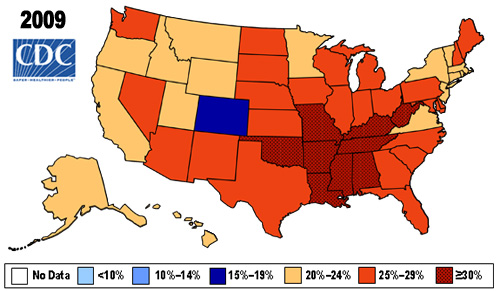
However, as more of the population gets obese–34% of all adults in the U.S. and 300 million worldwide–less and less may find the opportunity to reproduce. What do you mean, Campos? Just a thought, but when approximately 20% of our children here in the U.S. are obese…that’s a BMI over 30!…there may come a time when these people are just not considered reproduction material.
Biologically speaking, organisms seek out the most fit individuals with which to mate so that the possibility of passing on one’s genes increases. That’s the idea anyway. As the numbers of obese individuals increases, as well as society’s disdain (just read the news!) for obesity, you might just see more of these people ostracized sexually. Not large numbers right away, mind you–this is where the article got me thinking–but over time. Could be tens of thousands of years. Remember, natural selection works slowly. I mean, things would really have to change societally for this to be considered no big deal.
And yes, obese mating with obese is always a possibility, but that will simply raise the risk, in my opinion, for the genes to become selected out. This, of course, all predicates on whether a genetic cause (susceptibility?) of obesity actually exists.
My advice to everyone is, once again, gene or no gene, you can prevent obesity by doing the right things. If my thoughts are correct–and sorry, you and I will never get to know–then you’ll be assuring your genes get passed on to future generations by removing and preventing obesity in your life. Just a thought, anyway.
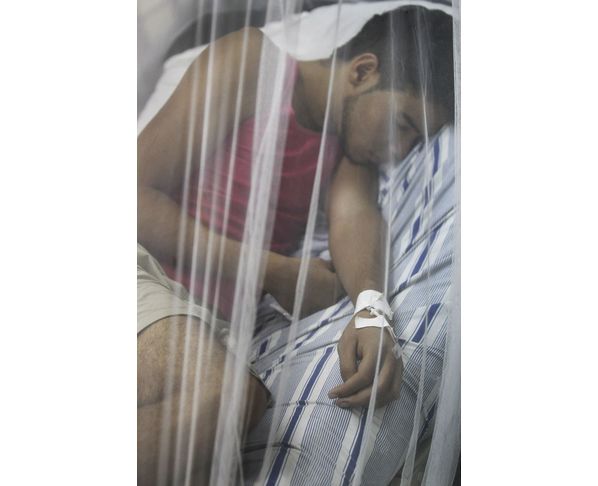
Check out this latest technological Pandora’s box—genetically modified mosquitoes to fight dangerous tropical diseases like dengue fever and malaria. Sounds great right? Not for everyone, as opponents to genetic tampering see potential problems stemming from the disruption of nature. Hmmm…let’s investigate.
In a recent experiment, scientists released 3 million mutant male mosquitoes on the Cayman Islands to mate with wild female mosquitoes of the same species. The male blood suckers were sterilized through genetic engineering techniques which altered their DNA. The rationale was that sterile males would compete with fertile males reducing the number of mosquito offspring, and thus leading to reduced cases of dengue fever, a potentially fatal febrile and hemorrhagic disease, affecting 50 million people worldwide every year.
Dengue, spread to humans by the Aedes (Stegomyia) aegypti mosquito, is said to put some 2.5 billion people, two fifths of the world’s population, at risk, and is now endemic in more than 100 countries. By controlling the numbers of mosquitoes in any given area, the number of dengue cases, theoretically, should go down. The experiment did in fact reduce the mosquito population by 80% in the study area (40 acres), as compared to neighboring areas where no sterile mosquitoes were released. It was difficult to determine, however, if actual cases of dengue decreased due to the small study area; yet researchers do believe that the reduced number of mosquitoes should lead to a direct reduction of the disease, and potentially reduce incidences of other worldwide endemic diseases like malaria. Makes sense to me.
According to some, however, the environmental implications could be a nightmare. Pete Riley, campaign director of GM Freeze, a British non-profit group that opposes genetic modification, states that we could disrupt the food supply of other species that may feed off the mosquito larvae. Further, reducing mosquito populations could allow other insect species—which could be vectors for other, as of yet unknown, diseases—to flourish. Hmmm…this makes sense, too.
Riley correctly points out, “Nature often does just fine controlling its problems until we come along and blunder into it.” True, Pete, true…can’t argue with that. We certainly have an arrogant attitude when it come to our ability to understand and control nature. Not that I’m against trying new things, but messing with the earth’s ecosystems can open an entirely new can of worms. Not a bad thing; just be prepared, that’s all.
As a retort, Oxitec Limited, the Oxford-based company that created the sterile mosquitoes states that their recent product can’t permanently change the ecosystem because they only last for a generation. But billions of genetically modified mosquitoes would likely be needed to stamp out dengue in endemic areas like Asia and South America. Sounds a like good business.
I’ve actually got no beef with this type of technology—I find it quite fascinating, actually. But there will always be opposition to anything. My philosophy is that we as humans are essentially problem solvers. We strive to fix what we see as “wrong”. Millions of people, often children, are affected by dengue fever every day—many fatally—so controlling the mosquito vector of dengue fever seems like a good idea to me.
And let’s not lose sight that dengue isn’t a disease that’s simply “over there,” either. We’ve had our fair share of outbreaks in the U.S. (Hawaii in 2001, Texas in 2005, and Key West Florida in 2009/2010). In fact, Miami has just had its first case of dengue in 50 years.
So I’m all for ecological conservatism, but not at the expense of human suffering. Sorry deadheads—chill out. We’ll deal with the consequences of altered ecosystems when we need to—as we always do. Until then, embrace the science.
Want your head spun? I quite enjoy having mine twisted like a top. Whenever I think I’ve seen or heard it all, something new comes up and….well, cranks the ol’ dome a little. Here goes: A 10-year-old girl in Spain has given birth, and authorities are considering whether to allow the tyke custody of the tyke. Sheesh.
Apparently the father is also a minor further complicating matters, as having consensual sex with anyone under thirteen in Spain is a crime–child abuse. They’re awfully liberal in that faraway land…anyway, because she claims the father is also a minor, Spanish authorities are not considering this a rape case.
The baby was born last week, and surprisingly both mother and child are in good health. Experts warn that pregnant children often have complications during pregnancy, and the newborns often die within the first year.
Mom is originally from Romania and apparently was already pregnant upon entering Spain. It is unknown if the father is also Romanian.
Oh well, I guess that it’s true that children are reaching puberty much faster these days. One British study found that girls currently start puberty at an average age of 10.25 years, while their mothers began at 11.75 years and their grandmothers at 12 years. Another 2000 study in the UK suggested that one girl in six was reaching puberty before the age of eight with one in 14 boys showing the same signs. Doh! Researchers believe that diet, exercise and coming from a broken home all contribute to the precocious puberty.
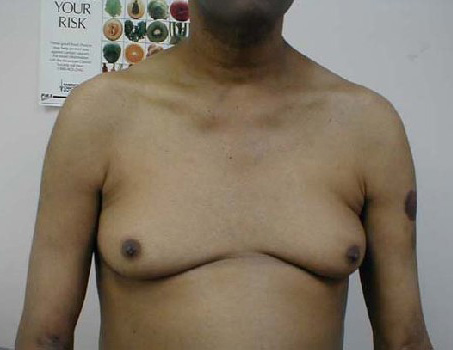
When one thinks of breast cancer, rarely do men come to mind; yet, men can develop the disease, and the dangers are exactly the same as they are for women. Because it is primarily a cancer affecting women—40,000 deaths per year—when men do contract the disease, it isn’t something they are always comfortable to discuss, not publicly anyway.Enter Peter Criss—yeah Peter Criss, drummer for KISS. You remember him—cat makeup, shirtless, spandex, Beth I hear you calling…that Peter Criss. The rock and roller developed breast cancer. And he’s been speaking up about it, because he knows that if he didn’t, other men would continue to suffer in silence; and you and I would still go, “What do you mean ‘men with breast cancer’—that happens?”
How do men contract breast cancer? Several things can predispose a man to the disease. Radiation therapy, for instance. That’s right, being treated for another cancer in the past can lead to breast cancer. Cancer treatment causing cancer—what do you know—welcome to reality.
Breast cancer in men can also be caused by a damaged liver, often from the excessive intake of alcohol. Liver causes can also include chronic viral hepatitis, and some genetic disorders, like Klinefelter’s syndrome can also lead to male breast cancer. Finally, obesity and gynecomastia (moobs) both can cause male breast cancer. I guess I don’t have to emphasize that prevention is the key, and outside of the genetic causes, these risk factors can be avoided.
About 2,000 cases of male breast cancer will be diagnosed each year, and about 400 of those men will die. But just like for women, early detection can save lives, so men have to check their breasts regularly. If you feel a lump underneath your nipple, you’ve got to have it checked by a doctor. If necessary, they’ll perform a biopsy. If it turns out to be cancer, there are a number of different options to treat it, including excision.

The survival rates are pretty good—that is, if caught early enough. Watch the video below with the heroic cat-man, Peter Criss to get some more info on male breast cancer. Check your nipple area periodically and get any lump investigated by a doctor. Don’t ignore it, and don’t hide it, man—we’re talking about your life here. And if you feel weird about checking your breasts, then just remember how much you’ve enjoyed playing with them in the past, whether yours or someone else’s. They’re just nipples, man—if you can’t touch ’em, there ain’t much use to them.
Too many kids are having to be treated for chronic constipation. Gastroenterologists at Johns Hopkins Children’s Center report a 30% rise in these cases from 2008-2009, leading the center to open a new clinic to provide medical and behavioral therapy for children with the condition.
Constipation in children can be from poor diet and lack of activity, but the most likely cause, particularly as it relates to the current increases, is drinking too little water. As I have pointed out previously in this blog, proper water intake is important for a multitude of metabolic processes, one being digestion and elimination. Remember, the human body is highly intelligent; provide it with insufficient material and it will shunt what it needs, taking from one area to give to another. Take in too little water and watch your body steal from your colon to give to other, more vital, regions.
Why are children not drinking enough water? Gotta ask the parents. But one thing I know for sure, being one of the most soda-consuming nations, the U.S. has plenty of children who get their fluids from liquid sugar. Oh well. Gotta wise up, folks; there’s always a price to pay. Drink soda, your kid will drink soda. Your kid drinks soda, he or she will probably bypass drinking water. Bypass drinking water, say hello to constipation. Cause, effect. Your choice.
Signs of constipation in children is very often missed by parents, and it can lead to a severe or chronic case. Things to look for are abdominal bloating and a feeling of fullness; straining with bowel movements; lumpy or hard stools and/or small pellet-like stools, accompanied by a feeling of incomplete emptying of the bowels. Children with serious constipation may also refuse to go to the toilet for fear it will hurt; they may hide to go in a private place, or experience underwear soiling and bedwetting. Knowing these signs can help you figure out if your child is suffering.
Finally, make sure your kid is drinking plenty of water. Dump the soda (for yourself, too) and make water your drink of choice. Or deal with chronic constipation if that’s what you’d prefer.
![]() |
| Moldy chocolate |
Trick or treat, smell my feet, give me something good to eat! Just make sure it hasn’t been sitting around for too long. Some candy has limited shelf life–something for parents to think about before hiding and storing Halloween candy meant to be doled out to the kids later.
According to Karen Blakeslee, an extension associate for food safety at Kansas State University, shelf life can vary anywhere from two weeks to a year, depending on the type of candy, packaging and storage conditions. Hard candy may last indefinitely, but chocolate can go bad. Oh boo hoo…I know. People have suffered from salmonella poisoning from eating spoiled chocolate.
Some signs to look for are extreme stickiness and/or graininess in chocolate. Sound pretty nasty to me, so I can’t imagine anybody failing to catch that. Also look out for an unusual flavor, as well as a change in color. With chocolate candy containing fruits or nuts, be on the look out for mold.
Typically, the softer the candy, the shorter the shelf life. Storing in a cool, dry and dark place is always best.
Look, why not ration out a week’s worth, and then toss the rest? That’s the safest and easiest way to approach things. You might need to check the individual candies, since there’s no way of telling which misers kept their candy from last Halloween to hand out this year. But saying that, if most people are like me, that candy’s not lasting more than a week no matter what the amount. Darn Halloween.
TMJ syndrome is a painful condition of the jaw joint (temporomandibular joint). Many people suffer from TMJ syndrome without even knowing it. They may have neck pain; they may have headaches; they may have no pain at all, but an annoying clicking and popping of the jaw.
TMJ syndrome does not have to be a chronic condition, though. I treat many people with TMJ syndrome in my Los Angles, Beverly Hills, and West Hollywood chiropractic clinic. To see how I might treat someone with this painful jaw condition, please watch the video below.
For more information on TMJ syndrome–it’s causes as well as it’s solution, please read the article here.
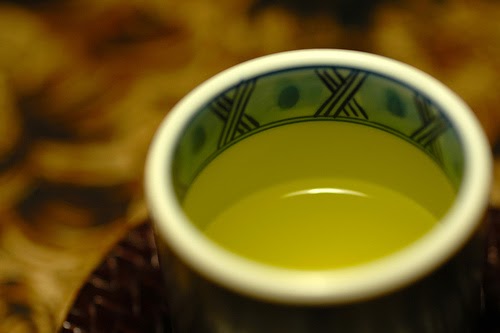
I know, we all want green tea to work for something; but when it comes to preventing breast cancer, green tea comes up short. A recent Japanese study failed to show any protective effects against breast cancer from drinking green tea.
The study, conducted by the Epidemiology and Prevention Division at the Research Center for Cancer Prevention and Screening of the National Cancer Center in Tokyo, collected data on 53,793 women who were surveyed between 1995 and 1998. As part of the survey, the women were asked how much green tea they drank. A follow up survey was conducted at five years where they the women were asked the same questions but also which types of green tea were drunk (Sencha or Bancha/Genmaicha).
The survey results showed that 12% drank less than one cup of green tea per week, while 27% drank five or more cups a day. There were also women who drank more than 10 cups per day.
They followed the women for almost fourteen years and found that 350 of them developed breast cancer in that time period. But researchers found no less risk in women who drank green tea than in those who did not.
According to scientists, the strength in this study was its research design, particularly that green tea consumption was recorded before breast cancer was diagnosed, thus eliminating “the exposure recall bias inherent to case-control studies,” lead researcher Dr. Motoki Iwasaki said.
Still, some people want to hang on. Like I said, we all really want green tea to be beneficial. Case in point, Jennifer J. Hu, professor of epidemiology and public health at the University of Miami School of Medicine‘s Sylvester Comprehensive Cancer Center. Says Hu, “just by drinking green tea you don’t get enough of the [possible cancer-fighting ingredient] to make much of a difference.” She also states that population-based studies fail to localize single factors, as many more factors may play a part.
Yes, I can see Ms. Hu’s point. Perhaps a study on freebasing green tea may produce the results she wants. Let’s not all hold our breaths, though.
Numbness and tingling can be an unnerving symptom no matter where it is felt. When it happens in the arms and hands it can be especially disconcerting since we use our upper limbs constantly. What causes numbness and tingling in the arms and hands? Well the most oft-diagnosed condition is carpal tunnel syndrome (CTS), but I’m telling you it’s what we call a BS diagnosis. Along with “tendonitis,” “sprain/strain,” and “arthritis,” carpal tunnel syndrome is just another way of saying, “I’m really busy; I don’t have time to investigate, and ultimately, I don’t know what you’ve got.”
Any doctors reading this? If what I say pisses you off, it’s because IT”S TRUE! Doctors not versed in musculoskeletal problems give the BS carpal tunnel syndrome diagnosis (it’s a guess), and quite often, they’re wrong. It wouldn’t be such a big deal except that the treatment for CTS is the ol’ snip-snip. Can’t reverse that, so it behooves one getting this diagnosis to seek a second opinion. I’d try an orthopedist or sports chiropractor; these professionals focus on musculoskeletal complaints and thus have a good grip on what might be going on.
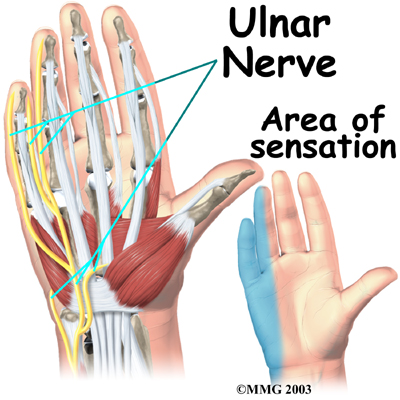
One thing that can cause numbness and tingling in the arms and hands is an ulnar nerve entrapment or impingement syndrome. The ulnar nerve, which innervates or controls the last two fingers (ring to pinky), can become compressed by the forearm muscles. When this happens forearm pain and numbness and/or tingling in the last two fingers can occur.
A good sports chiropractor can alleviate this discomfort and teach you stretches and exercises to prevent further problems. I highly suggest getting any arm, forearm or hand numbness/tingling checked by a doctor, because any nerve irritation can lead to long-term damage. While waiting to get in to see the doc, however, you can do some things at home on your own. Watch the video below to get some tips on alleviating arm and hand numbness and tingling.
And please, before you get the ol’ snip-snip, go see a sports chiropractor (or an orthopedist) for a second opinion.
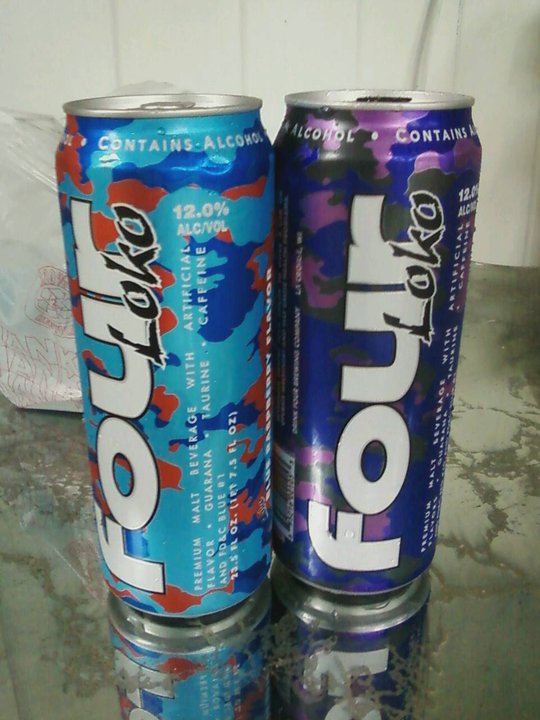
Oh yeaaahhhh…Four Lokos, beatches. Ya heard? Four Lokos is the stuff: alcohol and caffeine–a goofy combination. And goofy is what you’ll be when you drink the Four Lokos. 23 ½-ounces of fruity malt liquor, 12% alcohol, liquid speed and sugar–woo-boy, boing! Can’t say it better than the official Facebook page:
“you will remember absolutely nothing in the morning, probably acted like a slut, and possibly tried to fight someone. It’s a four loko thing…”
This is no joke…it’s Four Lokos, mang. It’s like drinking four beers at a time. Double fist it, brah! Yeh boyeee….
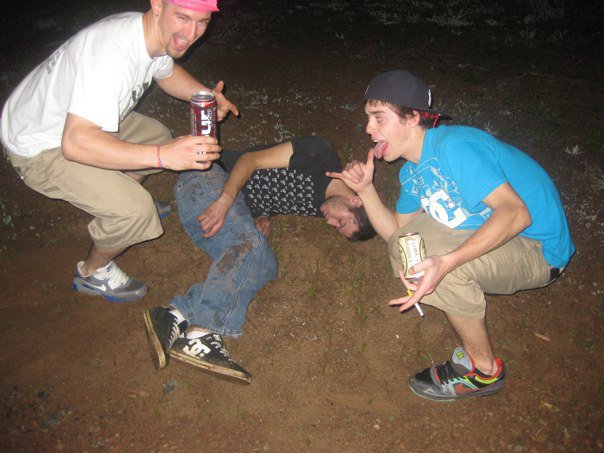
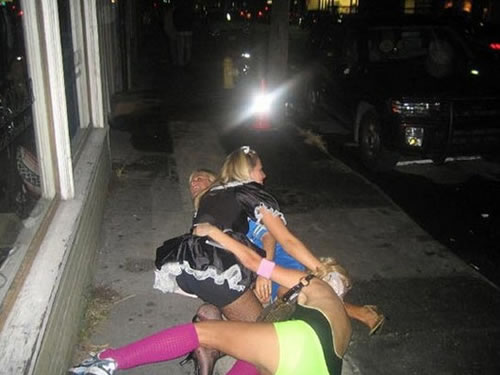
Nine Central Washington University freshmen were hospitalized after an Oct. 8th party, where when cops arrived they found “three girls sprawled on a bed, a barely conscious young man was being dragged out of the backyard, a girl was prostrate on the bathroom floor and three young people were splayed senseless in a car outside.”
Many CWU students couldn’t believe it either; they thought that, perhaps, roofies were involved. They just couldn’t believe that this motley scene might be tied to the Four Lokos, which is also known as, the “blackout in a can.” The students hospitalized had blood alcohol levels ranging from .123 to .35. Doh! Anything over .30 can lead to alcohol poisoning and death. That’s right, G…don’t be a sissy, pound that twit.
For $2.50 a can??? Man, you can’t get that drunk since Night Train. Yeh boyeee….
But not everybody’s laughing. A Washington, D.C.-based consumer advocacy group Center for Science in the Public Interest sued Anheuser-Busch and Miller Brewing Co., who eventually agreed to take their own “energy beverages” off the market.
As pointed out by the L.A. Times:
“That lawsuit cited a study by the Wake Forest University School of Medicine, which found that young drinkers of so-called alcospeed beverages were more likely to binge drink, become injured, ride with an intoxicated driver or be taken advantage of sexually than drinkers of conventional alcoholic drinks.”
Although their aren’t any studies yet showing the effects of alcosopeed on the body, some believe the combination of alcohol and caffeine gives young drinkers a false sense of alertness, enticing them to drink more and more, leading to potentially dangerous blood alcohol levels. The FDA will push for studies before setting out regulations on the alcospeed.
But don’t think for a second that Phusion Projects LLC of Chicago–manufacturers of Four Lokos–are not abhorred by the “irresponsible use” of their energy beverages. Company officials said,
“The events in central Washington this month were inexcusable. And most would expect our company to disagree with recent decisions to ban our products from college campuses… We do not. We agree with the goals that underlie those sentiments,”
Aw mang, don’t pull my Four Lokos…pleeease!!! How am I gonna git “F”ed up for two-fifty, mang? Guess I’ll have to go back to robotripping.
Does your child drink caffeine? How young is too young to drink “the fuel?” As an ingredient to many children’s favorites from sodas to candy to ice cream, as well as many over-the-counter pain and cold medications, it behooves parents to know just how caffeine may affect your child.
According to the Nemours Foundation–a pediatric health system and research group–here are some of the ways caffeine affects a child’s body: Can cause
Madness, to me, is the thought of parents giving their children full-on coffee drinks as beverages. But hey, who am I to judge? If it’s no problem for you to handle a screaming, caffeine-amped maniac, then more power to ya.
Even worse, though, is the number of parents feeding their children liquid sugar. If that isn’t enough caffeine and sugar to whack them out physically and mentally, then throw in some Cap’n Crunch. Be my guest…it’s your kid. My girls won’t get caffeine before high school if we can help it, and maybe even college if it’s entirely up to me.
But it’s a tough one with caffeine and sugar permeating most popular kids’ drinks. In any case, if you are allowing your child to drink soda and coffee beverages to their juvenile hearts’ content, then don’t be surprised when they’re put on the Ritalin at school–it’s a natural progression.
Adversity in life is necessary to build resilience and adaptation, so says a recent study published in the October issue of the Journal of Personality and Social Psychology. According to the study, people that experienced some adverse events reported better mental health and well-being than those exposed to high levels of adversity or no adversity at all.


Researchers at the University at Buffalo looked at 2,398 people who took part in a national survey each year from 2001 to 2004, and found that people with a history of some lifetime adversity appeared to weather recent adverse events better than other people.
“Our findings revealed that a history of some lifetime adversity–relative to both no adversity or high adversity–predicted lower global distress, lower functional impairment, lower [post-traumatic stress] symptoms and higher life satisfaction,” said study author Mark Seery, an assistant professor of psychology at the university.
The study looked at “major lifetime adversity,” but the authors note that even relatively mundane challenges may increase overall resilience.
Well no surprises here, as I know how important challenges are to our physical, mental and spiritual growth. Sure we can call it resilience, although I’d just call it evolution. Avoiding or resisting challenges and having others provide constant protective support does not allow for maximal growth. Neither does an overload of stress for that matter, so these results would be expected. I’m just pleased to see that they’ve now put a study to what appears to me a experiential-truth.
Good job America, you’re on the road to hyperglycemia–yes diabetes–and you’re doing it right. According to officials at the Centers for Disease Control and Prevention (CDC), 1 in 3 Americans will have diabetes by 2050. Awesome! Eat more sugar, eat more processed junk food, you’ll get there soon enough. Stay focused people…FOCUS!
Ten years ago, experts at the CDC estimated that as many as 39 million Americans could have diabetes by mid-century, but today they say it could be in the 76 million to 100 million range. Nice America, don’t you love exceeding expectations?
Here’s what you can expect from your diabetes, folks:
So keep drinking them sodas, peeps; diabetes will not be far off. I know, I know it’s tough. Temptations lay all around us. The inability to practice discipline in the face of desire is a human enigma that has baffled great thinkers for millennia. But remember you do have a choice in the matter: Type 2 diabetes represents 90-95% of all diagnosed cases, and it is lifestyle related.
Those who have high levels of physical activity, a healthy diet, do not smoke, and consume alcohol in moderation have an 82% lower rate of diabetes. When a person is of normal weight, the rate is 89% lower. Obesity contributes to approximately 55% of type 2 diabetes cases.
So it’s up to you, folks: Want to be in the group of people without diabetes in 2050, or you want to be a 1/3er? Got to make the choice and changes now.
Buttock pain has many sources, none more irritating than piriformis syndrome. Piriformis syndrome is a condition of a tight, inflamed piriformis muscle that clamps down on the sciatic nerve. Piriformis syndrome, then, can lead to sciatica, a sharp, burning electrical pain down the leg and sometimes into the foot.
Piriformis syndrome needs to be diagnosed by a doctor–preferably a sports chiropractor, since you can get diagnosed and treated in the same office. There are, however, some things that can be done at home to alleviate the symptoms.
Watch the video below to get some tips on how to take care of your own hip or buttock pain caused by piriformis syndrome. Or you can also read the article here to learn more about piriformis syndrome
Everybody knows about PMS, but do women change their behavior during ovulation? Current research says they do, sexually…and these changes may have evolutionary significance in spreading our genes.Two new studies in the November issue of the journal Evolution and Human Behavior find that women get a little wilder during their most fertile days of the month. One study found that ovulating women are more open to the idea of hooking up with a stranger or acquaintance, while the other study found that women with less masculine-looking partners are more likely to lust after men with “masculine” traits–like strong, square jaws–than women with partners already possessing those traits. In the past, most research on the menstrual cycle focused on premenstrual syndrome (PMS), but these new studies are two of more than twenty focusing on behavioral changes brought about by ovulation.
Researchers in evolutionary biology have taken it for granted that ovulation is of slight significance since humans have deviated from the typical estrus cycle (heat) of mammals, and can be up for sex anytime of the month. This, however, is just a theory, and a wrong one at that. For instance, men can tell when a woman is ovulating, although they do so imperfectly. Some experts believe it’s through smell–of pheromones, excreted chemicals that triggers a social response in members of the same species–but this is just a hypothesis. Several studies, however, have found that women report that their men become more attentive and jealous around fertile days. One study, in fact, found that when women were fertile, their male partners saw other men as a greater threat. Further, women do have a sort-of “heat” phase, yet instead of simply being more receptive to sex, they want it for different reasons. Consider this phase a lust-cycle, where women want sex for sex’s sake and not for intimacy, which might be more the reason outside of the cycle.
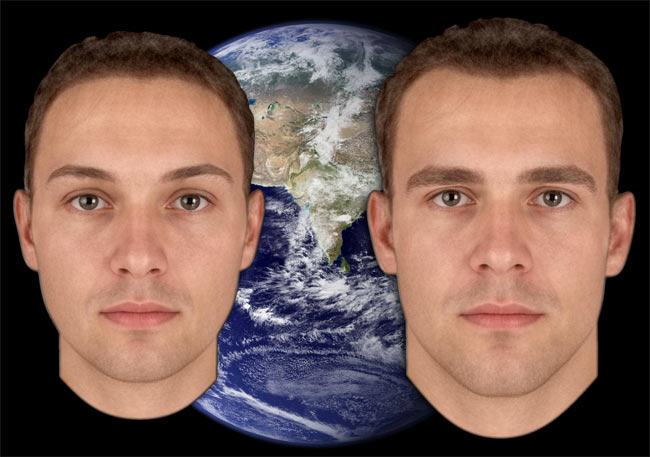
The second study of the pair looked at women’s phenotypic preference for masculine traits during fertile periods. Several previous studies had found that, when ovulating, women tended to go for more masculine-looking men. Masculine traits fertile women prefer are strong-jawed faces, muscular bodies, dominant behaviors, deep voices and tallness.
(Example of test picture to the left–women, which face do you prefer?)
In the latest study, researchers found that if a woman is partnered with a man without a masculine face, her eye is more likely to wander during her fertile days. Now this doesn’t mean she’ll necessarily act on her wandering eye, but she’ll likely look nonetheless. And other studies have shown that the hormonal fluctuations surrounding ovulation do change women’s attitudes and behavior. For instance, fertile women seem to be more open than non-fertile women to the idea of taking “sexual pleasures where [they] find them.” According to the authors of the study, women in ovulation are more likely to express interest in sleeping with an attractive stranger or someone they don’t care about. Just sex.
Women in ovulation also tried harder to look nice for pictures, according to a 2006 study, showing that the hormonal changes may also affect female decision making. An online shopping experiment reveals fertile women are also more likely to choose sexy clothes and accessories than women who weren’t fertile, according to the study published online in the Journal of Consumer Research in August. Finally, in a widely publicized study published in Evolution and Human Behavior in 2007, researchers found that ovulating strippers made an average of $30 more an hour than menstruating strippers and $15 more an hour than non-ovulating, non-menstruating strippers.
So to conclude, during fertile periods, women tend to be a bit friskier, make decisions about their attractiveness, look harder at masculine features, and be more likely to engage in casual sex. Why? To ensure the likelihood of fertilization and to increase the probability of finding successful genes, biologically speaking that is. I don’t know about you, but it sounds to me like the human female is as much a product of her biology as a man is. Cool, huh?
With regard to HIV and race, blacks have the highest infection rates. And black men may be playing a significant role as a result of homophobic beliefs. This was the hypothesis recently studied to determine why blacks have disproportionately high HIV numbers.
The study conducted at the University of Washington in Seattle looked at social factors in men who have sex with men (MSM), not risky sexual behavior, as previous studies have shown this not to be a factor with blacks as compared to whites. What the researchers found was a prevailing attitude of homophobia among black men in general, and even in black MSM.
Using data from a U.S. health survey, the researchers found that, in general, African-Americans were more likely than whites to report a negative attitude toward homosexuality.
In 2008, 72% of black adults said that homosexuality was “always wrong”—a rate that had changed little since the 1970s. Among whites, 52% expressed that view in 2008, which was down from 71% in 1973.
A similar pattern was seen among men who reported having sex with other men. Of these men, 57% of African Americans said they believed homosexuality was always wrong, versus 27% of whites.
When the researchers looked at the men’s reported rates of HIV testing, they found that those who regarded homosexuality as wrong were less likely to have ever been tested: 36%, versus 73% of those with a more favorable view of homosexuality.
Hmmm….I see the dilemma here. First, let me say this is an excellent study, as it seeks to understand a phenomenon not explainable by sexual behavior alone, and it is important to understand why. Let’s look at the numbers.
Homophobic beliefs may be contributing. It’s important to point out here that the results of the recent study do not prove that homophobia is a factor in the racial disparity in HIV infection among gay and bisexual men in the U.S., according to the study’s authors. It only gives researchers information for further study, while advocacy groups now have a point a focus politically and within community services.
“These kinds of studies are important,” said Francisco Roque, director of community health for Gay Men’s Health Crisis, a New York-based non-profit that provides HIV/AIDS education and services. According to Roque, such research-based data are helpful for gaining support for campaigns to address homophobia, as well as HIV/AIDS prevention.
How would homophobia contribute to the disproportionate numbers of HIV infection among black men? Little known is that MSM among “straight” men (SMSM) in the black community is not uncommon (it happens in all racial and ethnic groups incidentally). Because of the stigma of homosexuality in the African-American community, many infected SMSM are not getting tested, thus acting as an asymptomatic carrier.
With 36% of black MSM who look at homosexuality unfavorably not getting tested, HIV is likely being spread to both men and women in the black community with a big fat, “Huh?!?!” Again, we can’t use this study as proof, but it looks like a plausible explanation.