Posts by: "Dr. Nick Campos"
Although prescription drugs are getting most of the press these days, recreational drugs aren’t off the hook.  Lots of people are still addicted to these bad-boys, so discussing ramifications here is worthwhile.  It’s not that knowing the physiological effects of party drugs will stop anybody from partying, particularly not an addict, but plenty of people struggle with the decision to quit everyday.  Sometimes getting scared straight is just the habit-kicking potentiator needed.

Take former Guns and Roses bassist, Duff McKagen: In his upcoming book, It’s So Easy: and other lies, he discusses what his body turned into from years of chronic, high-volume drug use:

“My hair began falling out in clumps, and my kidneys ached when I pissed.  The skin on my hands and feet cracked, and I had boils on my face and neck.  I had to wear bandages under my gloves to be able to play my bass.”

Rock stars are the perfect subjects for health research, because the years of heavy drug abuse by some creates a sort of rapid-progression case study, a walking laboratory of sorts.  Although it might be tempting to believe that rock-star drug loads are simply outside the realm of your average, everyday user, many people abuse drugs even longer than McKagan had, so what happened to him can definitely happen to any drug abuser that manages to stay alive long enough to witness the self-destruction.

McKagan goes on about his deterioration:

“I felt as sick as I ever had.  My hands and feet were bleeding.  I had constant nosebleeds.  I was shitting blood.  Sores on my skin oozed.  The house was awash in the fetid effluvia of my derelict body.”

He does a good job of describing what happens to a body from repeated and long-term drug use.  It essentially wastes away from the inside-out.  Vitamin deficiencies, liver overload and breakdown of the kidneys (McKagan today is on permanent dialysis) is what we risk when we take drugs.

Lots of people think it won’t happen to them, or they try not to think about it at all.  Ignoring the occasional worry about the damage drugs must be doing is a temporary solace to the realities every drug user understands.  But if you are thinking about quitting, or you’ve just recently quit, then perhaps McKagan’s words will serve as a deterrent to a relapse.  Or maybe you can use the information to strategize your comeback, or plan your healing regimen.

Good luck to those of you still carrying the monkey–I feel fer ya.  But understand that even if you don’t overdose, you’ll die a slow death from the inside-out…unless you make a decision, now, to kill your appetite for destruction, and start living instead.
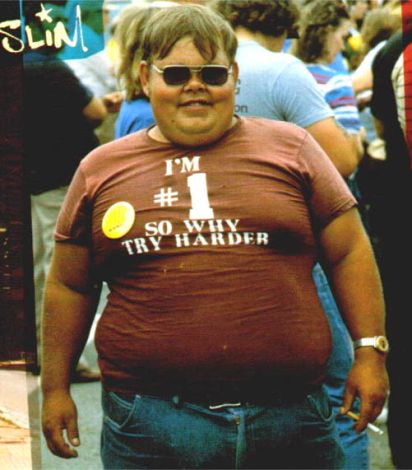
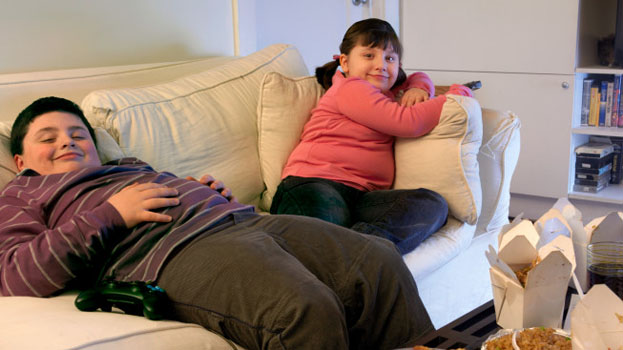
This post is about weight loss.  It’s about basic physiology, and personal responsibility (ooh, dirty words).  I recently tweeted a bunch on a subject I wrote about three years ago.  The number of responses I received was incredible.  The subject was on giving the cholesterol lowering medication, statins, to children.  In 2008, the American Academy of Pediatrics, recommended screening children as young as two-years-old for high cholesterol.  If a child is found to have high cholesterol, the Academy recommended putting him or her on statins to prevent future cardiovascular disease.  My response today is the same as it was three years ago–it’s a freakin’ crime!

I know too much about physiology and human health to accept this as a treatment option for children, let alone the first line of defense.  Statins have side-effects, and they are also based on a faulty premise–that low density lipoproteins (LDLs) are the most important factors in cardiovascular health.  While definite contributors, LDLs are simply not as important as high density lipoproteins (HDLs) when it comes to cardiovascular risk.  To consider giving drugs that most people take for a lifetime to children as a preventative is purely irresponsible.

But, really, the criticisms I encountered weren’t about points I made on statin use in children.  They were mostly directed at a particular line, an idea,

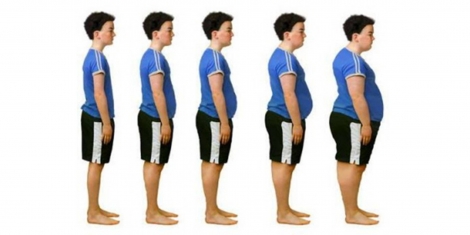
“Childhood obesity? Excuse my language, but…that’s effin’ child neglect and abuse by lazy, undisciplined, ignorant parents.”

Now many people said, “Bravo! Thank you for telling it like it is.”  Many others, however, felt it was callous, off-base and out-of-sync with the real causes of obesity.  Some tweeters informed me that my understanding of basic physiology was prehistoric, and that my solution to the obesity problem (I didn’t know I had actually given one) was short-sighted and erroneous.  So in the next few posts I will attempt to clarify my thoughts on weight loss/weight gain, the obesity epidemic and parental responsibility as it relates to the weight–and health–of a child.

I am actually going to start with my thoughts on parental responsibility.  I contend that if you as a parent are not responsible for your child and his or her health, then who is?  This question is only obvious to those parents who share this philosophy, and won’t be to those believing (either consciously or subconsciously) that health is the responsibility, and byproduct, of something outside themselves.
Every parent will say that they take full responsibility for their child, but far too many act otherwise.  What you do your children will do, period.  They eat what you eat, they think like you think, and they care for themselves in the same way you care for yourself.  How is your child’s weight, then, independent of you?  Oh, you didn’t shove the cookies down his or her throat…but did you buy them?  Maybe you thought it was harmless to feed your child cookies as a baby…I hope you know better now (Plenty of tweeter critics claimed to not feed their children junk food…listen, your obese child is eating junk food–WAKE UP!)

Parents of heavy children have lots of support for their innocence.  The concept that “your illness is not your fault” is preached by many doctors, psychologists, talk show hosts, media celebrities and support groups; and while it’s true that illness is not a fault, it certainly isn’t true that we have no hand in how our health plays out.  More importantly, though, everyone has the potential to achieve and maintain great health, no matter what the current circumstances.

When health issues arise, the most important thing to do is determine where changes need to be made.  Whether talking about major lifestyle modifications–like quitting smoking, or changing food habits, or exercising–or simply getting checked by a professional, change is an absolute necessity in correcting any health problem.  How soon you make that decision can mean the difference between life and death.  Symptoms are your body’s way of telling you something needs attention.  Ignoring them is the worst possible approach you can take toward your health.

Obesity, as a morphological symptom, is a major change–and it just doesn’t happen overnight.  Once parents see it unfolding, they have a responsibility to act (neither children nor teens can make this decision on their own) and create change.  For parents of chubby or obese children, this also means how you decide to change.  A child isn’t going to change independently from his or her parents.  Are you going to change your diet to a more healthful one?  Are you going to eat less, and decrease your intake of junk foods, fast foods and sodas?  Are you going to work out, play sports with your kids or take fitness classes together?  Your child isn’t going to change without you–you’ve got to change as well.  And simply dishing them off to Little League will not do either, as building their confidence before they compete in groups will be paramount to their psychological health and well-being.  The bottom line is that parents must get actively involved in the obese child’s life, if they are to stand a chance of losing weight.

For new parents, it simply begins with creating good habits from the very start–the foods you expose your children to, the activities you share, how much television you watch, and so on.  You control the environment, and your choices contribute to your children’s bodies, and their health.

Obesity is reversible, that’s a fact.  How you see things, and how you approach the world determines your chances of overcoming (or your child overcoming) obesity.  Too many people lose weight for it to simply be a ‘hopeless situation’.  Blaming obesity on genetics, hormones, depression, lack of health insurance or anything else will not change the fact that everybody is capable of being either obese or anorexic, as well as everything else in-between; it just comes down to one’s habits in determining where one will weigh-in on the scale.  You have the power to change anything with regard to your health, or that of your child’s.  Understanding this, and fully embracing it, is the only way to create lasting changes.  Denying it will only get you the same, which is definitely your prerogative, but don’t act as if you have no hand in the matter.

C’mon folks–let’s not go nuts.  You’ve got a bedbug problem–hire an exterminator; don’t try to do it on your own.  Duh!  A recent government report has disclosed that scores of Americans have fallen ill by playing bug executioner, and they are endangering family members in the process, including their children.

The report by the Centers of Disease Control and Prevention showed that 80 illnesses and one death were linked to indoor insecticide use over the last three years.  Most of the cases were in New York, where bedbug infestations have been highly publicized due to a recent revival.  However, the CDC has collected data from twelve states, where seven reported accidental poisonings from insecticides used against the microscopic blood-suckers.

About 90% of the cases were linked to pyrethroids or pyrethrins, insecticides commonly used against bedbugs. Such products are not a health risk to most people but should still be applied by a trained exterminator, said Dr. Susi Vassallo, an emergency medicine doctor who works at New York City’s Bellevue Hospital Center and occasionally treats patients who report bedbug problems.

Although bedbugs pose no risk to people, some are getting hysterical over bugs feeding on them while they sleep, and are resorting to drastic measures.  A 65-year-old woman from Rocky Mount, N.C., with a history of heart trouble and other ailments, died after one such response.  She and her husband used nine cans of insecticide fogger one day, then the same amount two days later, without opening doors and windows to air out their home afterward.  She also covered her body and hair with another bedbug product, and covered her hair with a plastic shower cap.

Unsuspecting people have also been getting ill.  Take, for instance, two carpet cleaners who had not been told that an apartment they worked in had recently been treated with pesticides. Two others were emergency medical technicians who responded to a scene and were exposed to a white powder believed to be a pesticide.  Duh, people!

In some cases, a more dangerous and inappropriate product was used as the insecticide.  In 2010 in Ohio, a non-certified exterminator used malathion to rid an apartment of bedbugs, even though the chemical is never supposed to be used indoors. A couple and their 6-year-old child got sick.

Okay here goes: First off, use an exterminator.  Doing it yourself when it comes to toxic chemicals is not a good idea.  Would you do your own electrical wiring?  Forget I asked.  And if you do decide to be the bug executioner, can you at least try reading the labels on your products?  Duh?  Malathion?  Fer cryin’ out loud!  And could you please have the decency to tell your guests, workers, landlord or parents of your kids’ friends that you’ve just sprayed toxic chemicals in your home?  Can they have a choice…please?

I wouldn’t like bedbugs, either–but I’m not going to endanger my family over a freakout.  If you can’t drop the coin for professional help, then maybe follow some guidelines, like these set forth by the National Park Service: You’ve got to fill cracks and crevices with caulk in ceilings, walls and corners.  And boric acid works well, although it’s toxic to humans and animals, too.  And clean your house, dagnamit!  I know nobody wants to accept this part of the equation, but it’s not a judgment…just a fact.  Be smart about fighting bedbugs–that’s all.

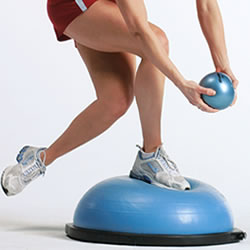
Last month I showed you the second step in a balance training regimen–the one-legged balance.  You’ll want to practice this on its own, as well as with a little challenge, to stimulate your proprioceptive system enough to prepare you for the third step–the rocker board.

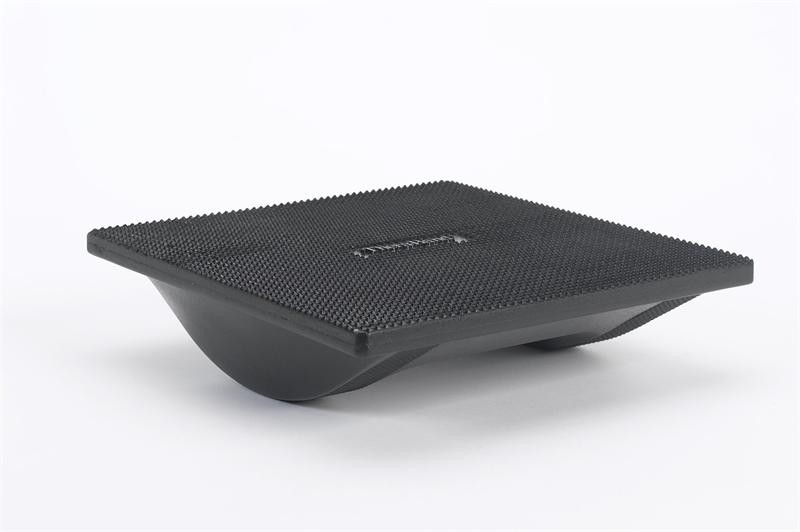
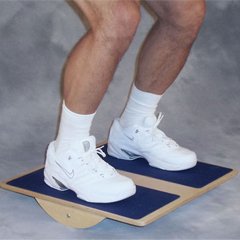
Rocker boards can be purchased online or from your local neighborhood (Beverly Hills) sports chiropractor.  A rocker board is a flat surface sitting on top of an angled fulcrum (30 degrees usually).  It creates instability in one plane, either forward/backward, diagonally or side-to-side depending on how the board is turned relative to the person.  Each plane adds a unique challenge to the balancer, and mastering all three planes, both with two legs and on single legs, is necessary to move onto the next level–the wobble board.

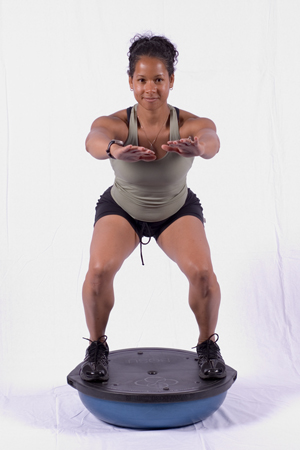
Once again, it’s important to have a friend challenge you by tossing an object (ball, chainsaw, feral cat) back and forth with you as you balance.  Not only is balancing on one leg a phenomenal challenge, but transitioning from one leg to the other should also prove demanding.  Once you sufficiently master the rocker board, you can graduate to the wobble board or Bosu ball which are unstable in every plane, and thus significantly more difficult.

Proprioceptive training is not only for balance but also for motor coordination, proper weight distribution and core strength; it helps elderly people to prevent falls (which can lead to fractures and even death); it’s great athletic training; and it’s imperative for rehabilitation from serious injuries.  I encourage everybody to take on a balance training regimen for health and function.

Watch the video below for a demonstration on using the rocker board, as well as tips on how to challenge yourself while balancing.  Keep rocking!

Listen up, peeps–your voice does matter, and it can make a difference.  I know many folks speaking out against the liberal use of antibiotics in animal feeds, and the governing bodies are listening.  In late May, consumer groups lodged complaints with the Food and Drug Administration denouncing the widespread use of antibiotics in animal feed and urged the agency to do more to halt the practice.  And just recently the World Health Organization (WHO) has recommended restricting and even eliminating the use of antibiotics to boost animal growth.  Bravo!

Limiting the use of antibiotics in animal husbandry is suggested to reduce the risk of developing and transmitting resistant microbes to humans.  Antibiotic resistant bacteria, like Methicillin-resistant Staph aureus (MRSA), are believed to be transmissible to humans via farm animals, particularly pigs.  The mode of transmission can include meat consumption, being in close contact with the animals, or through the environment (groundwater contamination).

The European Union has already banned most antibiotics in animal feeds (with the exception of two in poultry feeds) since 2006, and Scandinavian studies have shown that restrictions have led to a decrease in resistant animal bacterial populations.

MRSA is not the only drug-resistant bacteria on the rise in animal products, either.  Bacteria resistant to fluoroquinolones and the most recent generations of cephalosporins have become more common.  Both these classes of drugs are considered essential to human health as a last line of defense to combat the most stubborn infections.  Resistance to third and fourth generation cephalosporins in Salmonella Heidelberg infections in humans has been increasing over the last several years.

According to Beth Karp, senior veterinary epidemiologist with the US Centers for Disease Control and Prevention, “Between 2008 and 2010 resistance increased from 8 percent to 24 percent. In retail chickens isolates, resistance in Salmonella Heidelberg increase from 17 percent in 2008 to 31 percent in 2009.”
The strain is resistant to nearly all antibiotics.
We are well beyond a wake-up call here.  Antibiotic resistant bacteria is no joke, as we have seen what it can do during mass outbreaks like in 2007-2008.  More and more meat products are contaminated with these super-bugs, and with further neglect, it’ll only be a matter of time before we see another one (fluoroquinilone-resistant campylobacter is common in the U.S. in poultry products).
Again I say bravo to the WHO for taking a stand, as well as the USFDA for listening to consumers and passing on their recommendations to the meat growers industry.  As for meat manufacturers, I hope you are listening.  I get wanting to provide product that’s beefier and all-around more aesthetically pleasing, but your current practices are a powder-keg waiting to explode.  Hopefully you’ll discontinue the practice of pumping-up livestock with antibiotics, hormones or anything else that you might be adding.  Just the meat, please–the people have spoken.

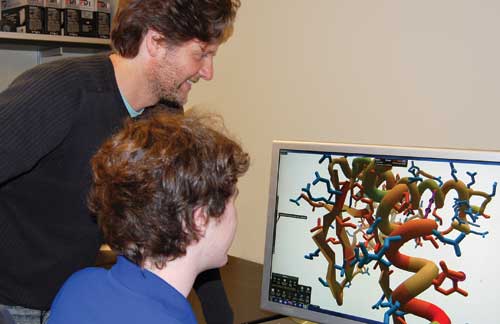
Here goes an exciting story, a symbiosis of human mind and computer, to solve a decade-long problem in the molecular structure of a key enzyme in an AIDS-like virus.  The feat was carried out by gamers playing an online game called Foldit, where groups compete to unfold chains of amino acids–the building blocks of proteins–using a set of online tools.  It is believed that this is the first time gamers have resolved a long-standing scientific problem.

Online gamers cracked the structural code of a retroviral monomeric protease enzyme, a cutting agent in the complex molecular tailoring of retroviruses, a family that includes HIV.  The game is a 3-D picture that “unfolds” the molecule and rotates it in order to reveal potential targets for drugs.  Looking at proteins through a microscope provides only a flat image of what looks like (to the untrained eye) a plate of one-dimensional scrunched-up spaghetti.

Understanding protein structure is important in understanding enzymatic function, substrate and environment to lead to strategies for combating viruses and other microorganisms.   Pharmacologists use structural information to devise drugs.

Foldit was developed in 2008 by the University of Washington.  “We wanted to see if human intuition could succeed where automated methods had failed,” Firas Khatib of the university’s biochemistry lab said in a press release.

“The ingenuity of game players is a formidable force that, if properly directed, can be used to solve a wide range of scientific problems.”
One of Foldit’s creators, Seth Cooper, explained why gamers had succeeded where computers had failed.
“People have spatial reasoning skills, something computers are not yet good at.  Games provide a framework for bringing together the strengths of computers and humans,” he said.
I love this latest breakthrough, not just because I am a molecular biologist by training, but because I am certain that man and computer will continue to evolve together in greater hybridization to the benefit of both in the near future.  This is simply one example of what will be accomplished from that symbiosis.  Bravo to online gamers!  And this should be food for thought to those that think video gaming is useless.  As I’ve contended repeatedly in this blog, all human interests have value, and we never know how our underappreciated skills will serve humanity in the future.

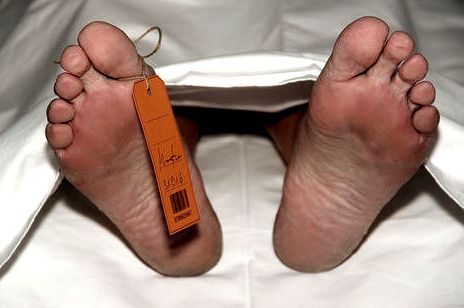
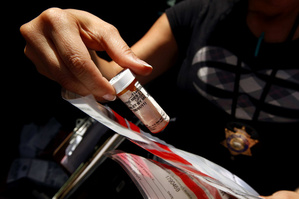
Congratulations medicine, you’ve done it!  You’ve now helped drugs pass traffic fatalities as a cause of death in the U.S.  Bravo!  That’s right, pushers–37,485 people die every year from prescription drug overdoses, according to preliminary data from the Centers of Disease Control and Prevention.

While most other causes of preventable death are declining, drug deaths continue to rise.  Many blame the increases in prescriptions for pain pills and anxiety medications.  Well intentioned doctors, wanting to spare their patients from pain and suffering, have doled out these meds for years in a sort of illogical haze.  As a result, prescription drug deaths have double over the last decade, with a person overdosing every 14 minutes.

Back in the day when I was a coming up, celebrities and rock stars were ODing on heroin, cocaine, speedballs, barbiturates, and other illicit drugs, but not today!  Oh no, the new millennium is the era of Oxycontin, Vicodin, Xanax and antidepressants like Zoloft, Prozac and Paxil.  And we musn’t forget the legalized speed, Ritalin. 

Public health experts are now calling the current prescription drug trends “epidemic.”  Well no shiitake mushrooms–’bout time!  Pain killers and anti-anxiety meds are highly addictive and especially lethal when combined with other drugs, like alcohol.  And users (abusers) span every demographic from elderly ladies (like my patient on daily Fentanyl patches–100 times more potent than morphine) to children (known to get into their parents stash with tragic results).  Prescription drugs kill more people than heroin and cocaine combined.  Booyah!  Something we can all be proud of…

Why what do you mean, Campos?  Nobody is off the hook on this one: Yes, doctors are to blame because they dole out these drugs like candy.  Yes, the pharmaceutical industry is to blame because they have aggressively marketed drugs to doctors by incentivizing high prescription volumes with trips and other gifts, as well as to the public through direct-to-consumer adds in magazines and on television.  And yes, the public is the most to blame because they’ve been asking for these drugs by name.  Why?  Because it’s an easy way to get high.  And who doesn’t like getting high?

But the most important lesson to be learned from all this is that everything comes with it’s flip side.  So yes, your doctor can help you get high…or stay out of pain…or fool you into thinking you’re happy all the time…but not without a price.  And that price is often life.  Your game, your choice–the newest numbers just show how many people are playing.

A few posts back we discussed proprioception, our ability to know where we are positionally, and our sense of movement. I showed the short foot exercise, which is a powerful precursor to balance training. In this post, I am providing a video to get you started on balance training. By balancing–and constantly being challenged while balancing–proprioceptors become conditioned, and this will help you gain stability, strength and endurance.

A great beginners balancing exercise that comes from yoga is called “tree pose“. Watch the video to get an idea of how to do a tree pose, and practice daily. You, can challenge yourself by simply bringing the hands to the chest in a prayer pose. This simple movement will increase the difficulty of tree pose significantly. For even more challenge, you can eventually raise your arms in the air (harder) and start looking up to the ceiling while maintaining the two poses (even harder). Have fun.

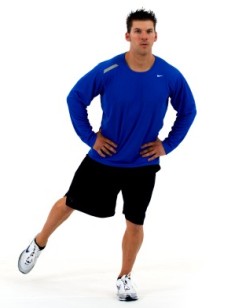
Another great balancing exercise is called “one-legged balancing“. This is simpler in that you do not have to worry about placing you feet or hands to get into the pose. To challenge yourself you can have a friend throw a ball, keys or any other object for you to catch while maintaining balance. Juggling chainsaws will come later; just master the one-legged balance while being challenged and you’ll soon be ready for the next level–the rocker board!

Watch the video to get the best rudimentary exercises for balancing, and thus training your proprioceptive system. Believe me when I say that everything from your athletic performance to your ability to remain pain free relies on it.  Happy balancing.

I had an interesting case come into my office this last week, a 3-month-old boy that was having difficulty sleeping and the inability to turn his head to the right.  When his parent tried to turn his head to the right, the child would start to scream and cry.  The parents reported that the boy had refused the breast from early on, and was therefore on formula, and also that his left eye drooped a little.

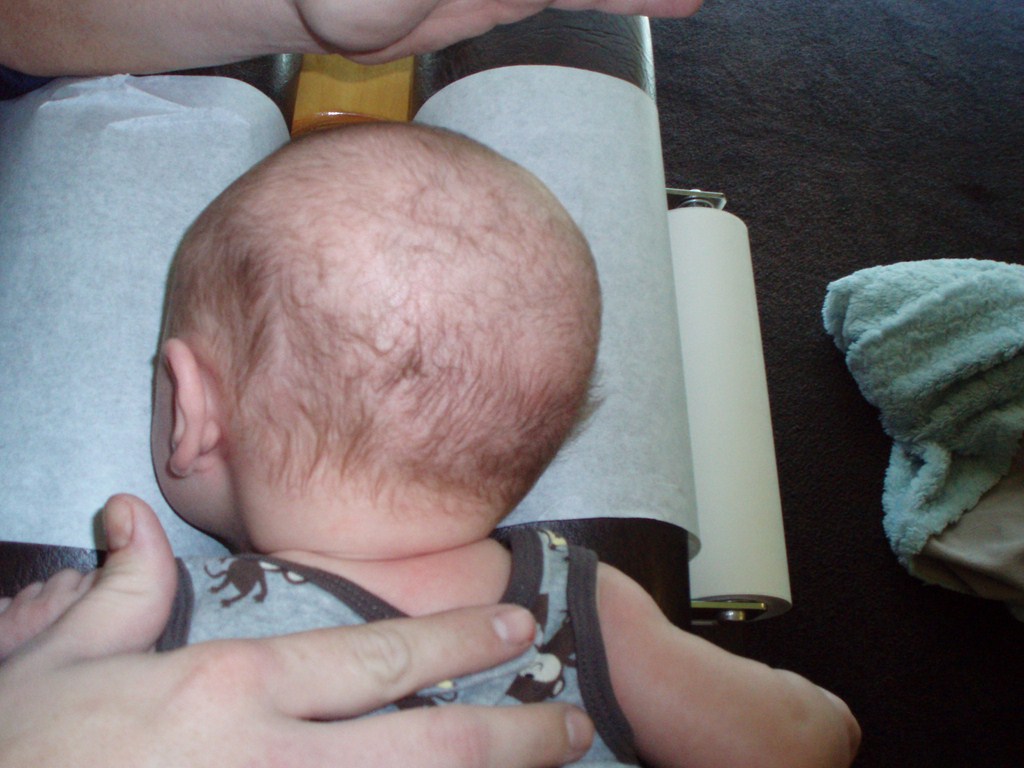
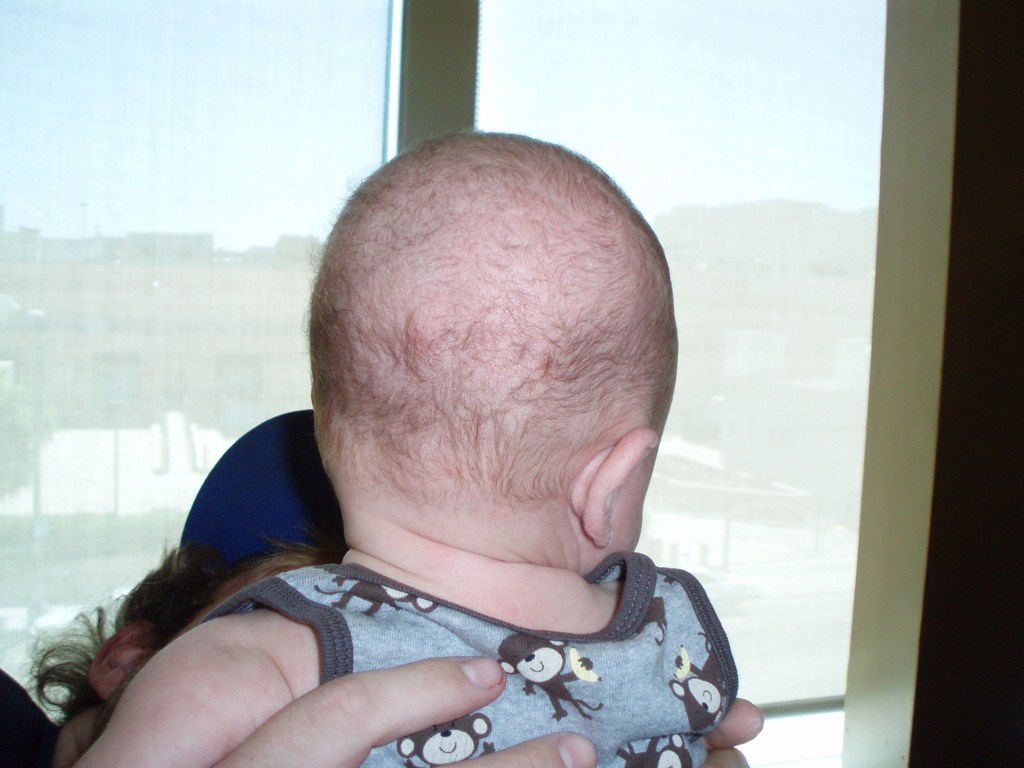
Upon examination I noticed that his right occipital bone (back skull) appeared to be protruding backward, yet he was turning his head toward the left, which was an oddity to me.  If, for instance, his occiput was rotated backward on the right, he would turn his head to the right, but not to the left.  This, of course, was not the case.

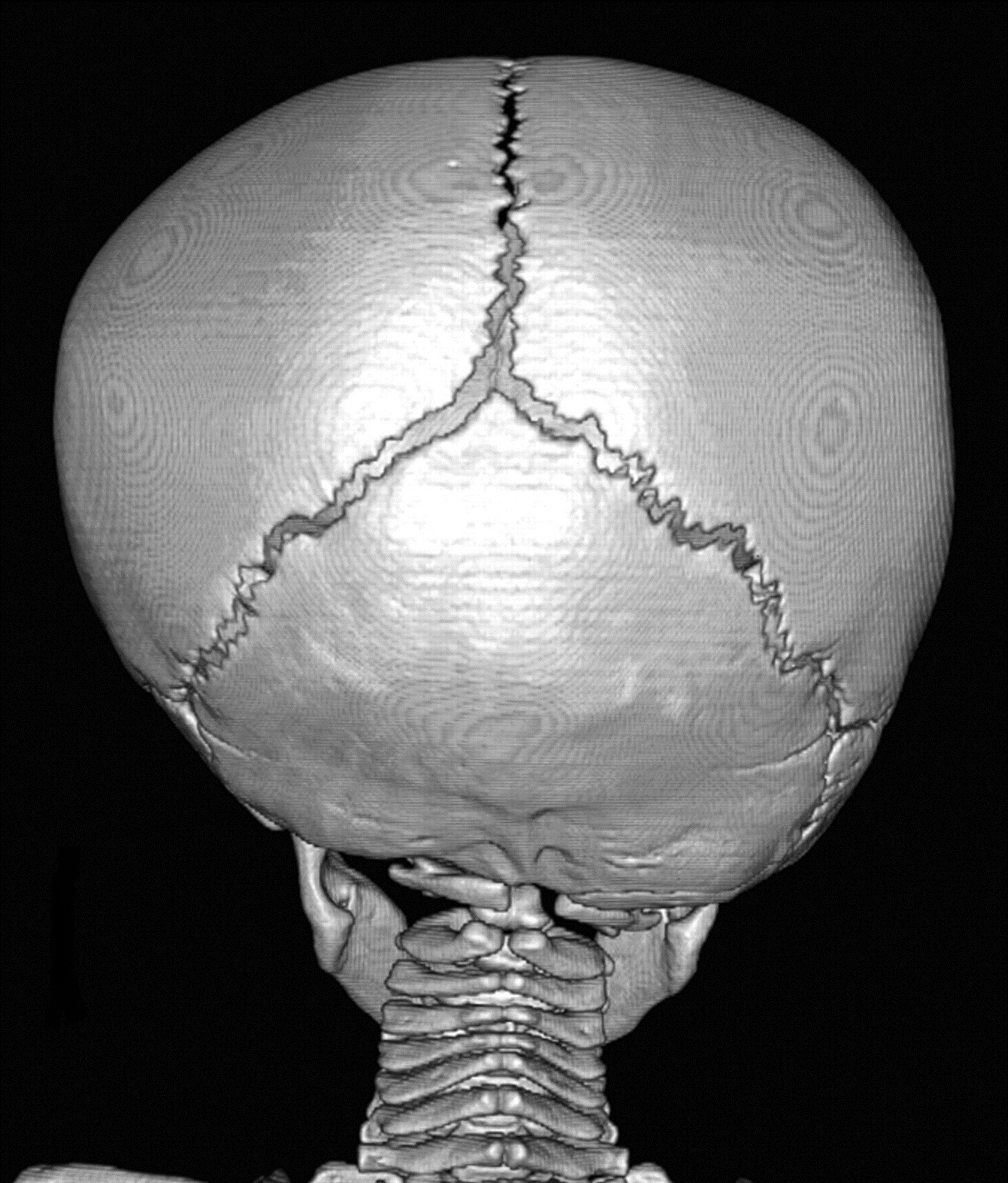
Not Child’s Actual MRI: for illustrative purposes

I realized that his right occipital bone was jammed into the first cervical vertebra, and rotated backward on the left.  But why did it appear as if he was rotated back on the right.  It was an optical illusion that was perpetuated by increased muscular tone on the left side of the back of his skull (see picture).  Further, I believe that because he was lying on his back (to prevent sudden infant death syndrome or SIDS), he might have caused a bit of flattening known as plagiocephaly, which should correct now that he is improving.

I guess I gave it away, but I treated him by lifting his occipital condyle off of the first cervical vertebra.  With a little left to right rotation, the infant was immediately turning his head to the right (see pictures).  For his eye drooping I did some light adjustments of his hand and foot digits on the opposite side (in this case the right), and sent he and his family on their way, with instructions to return two days later.

I saw the little guy again on Saturday, when his father told me that “whatever you did worked, because he slept that day like he hadn’t in weeks.”  His eye also seemed to normalize somewhat.  When I worked on him this time, he was giggling and cooing throughout the light chiropractic infant adjustments.  It was amazing!

On day three (today), he looks like a totally different kid.  His head was sitting straight, he was calm and his eyes seemed nearly fully symmetrical.  I believe that this condition is not that uncommon, as the birthing process can be tough on a baby.  Somewhere through the canal, his head jammed.  Although I am certain he would have adapted to the malformation, probably with an increased thoracic hump (hunchback), correcting the problem now prevents any neurological compromise or even learning difficulties that could arise from the deformity.

Cases like this make my work so rewarding.  I only wish more people would take their children in for regular chiropractic checkups.  Sometimes the fussing and crying some babies go through has to do with a structural deformity.  I can’t imagine having your occiput jammed into your spine feels good.  It sure didn’t for that little tyke, but he feels a lot better now.  And so do his parents.  God bless chiropractic.

You are what you eat has never rung more true.  No, you will not turn into a Twinkie…but the microorganisms in your gut respond and change according to what you eat.  So says a recent study out of the University of Pennsylvania Perelman School of Medicine that showed changes in diet can affect the virus populations that live in your gut.

“Our bodies are like coral reefs, inhabited by many diverse creatures interacting with each other and with us,” senior author Frederic Bushman.

The researchers looked at gut virus populations of six volunteers assigned to eat either a high-fat/low-fiber diet, a low-fat/high-fiber diet or an ad-lib diet.  The researchers analyzed DNA from viruses in the stool of the participants over eight days and found that the largest variation in virus diversity occurred between individuals. However, virus populations among participants who ate the same diet became more similar over time.

“The study provides a new window on the vast viral populations that live in the human gut, demonstrates that they vary radically between individuals, and shows that dietary changes can affect not just bacterial populations but also viral populations,” Bushman said.

This is an interesting study, because we know how important diet is to the overall health.  What we eat affects our physiology in action, and in environment.  In fact, if we think of our body as an ecosystem as much as an individual organism (not unlike the earth, or a galaxy for that matter!), we can see the impact our food choices make on the environment and the organisms within us.

It is tempting to think of all viruses and bacteria as bad or undesirable, but we live in symbiosis with these microorganisms–they are as important to us as digesters (among other things) as we are to them as food and lodgings.  By controlling the substances you put into your body, you are essentially controlling pollution in your internal atmosphere.  If you regularly pollute your inner environment–and not just with what you eat, mind you, but with what you breathe, snort, inject, whatever–you not only affect the intestinal flora, but every cell in your body.

Listen, natural health advocates have been saying this  for years: Watch what you put into your body.  Give it wholesome foods, natural juices and fresh, clean drinking water, and your body will respond by remaining an oasis–lush, fertile, and full of life.  Pollute it with garbage and that’s what it will become–a cesspool.  It will become that to such a degree that it will change you, as it will every cell in your body…and it will also change the life forms residing within your body, because you are an ecosystem, a planet if you will.  Treat your planet as if it’s your body, and vice versa–and you and your viruses should live in mutual satisfaction for millions of microbe generations.

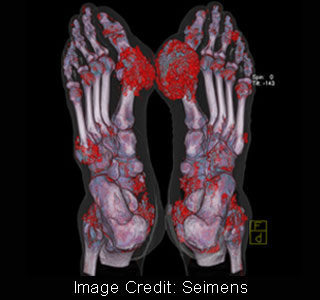
Anybody who has ever been under my care knows the importance I place on the feet.  As our foundation, the feet are directly connected to low back stability.  When foot dysfunction is present it can lead to low back pain, sciatica and even herniated disks.  But foot dysfunction is not only related  to low back issues, it can also cause conditions of the ankles, knees and hips.

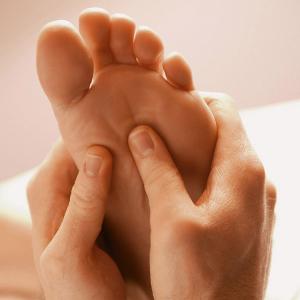
It’s probably no surprise, then, that I recommend custom orthotics for anyone suffering from a foot dysfunction.  But when it comes to caring for the feet, there is much more than simply adding orthotic support.  Like all musculoskeletal regions, the feet benefit enormously from a good bit of rubbing and kneading from massage.

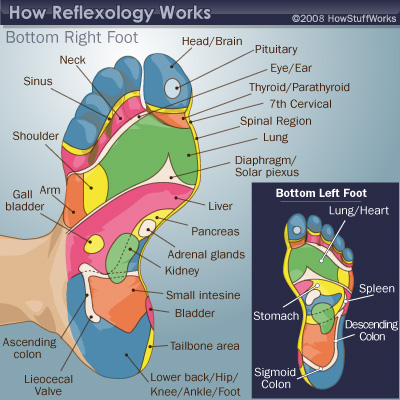
There is a theory that toxins build in the body, and can be carried through the circulation to the feet, thus making it important to periodically get one’s feet massaged.  By massaging the feet, the theory goes, built-up crystal deposits can be taken up by the veins, and removed through the kidneys.  As a result, organs corresponding to the massage or pressure points get a ‘reflex’ stimulation and, in turn, heal the body of various ailments.

Now whether this theory is true or not is debatable, but at the very least foot massage must accomplish what all myofascial release does: it enhances circulation, breaks up muscular adhesions, and frees up joints and muscles to allow greater movement, balance and stability.  But most satisfyingly, foot massage feels good, so it relaxes us and allows us to unwind.

I am such a believer in this type of bodywork, that I am now on a quest to find the best foot massages and techniques from around the world.  I am currently receiving foot massage from the Oasis Relax Spa in West Hollywood.  On a five point scale I would rate them a three.

Some pluses are:

  • hour-long foot massage
  • includes neck, back, face and scalp massage
  • great price ($25)
  • nice, clean and quiet facility
  • lots of parking
  • open daily and long hours: 10am-10pm

Some minuses are:

  • foot massage portion not as long as I’d like, but therapist skill can make difference here
  • English not first language hampers communication–sometimes problematic during instruction (on positioning, and so forth)
  • some variation in therapist skills (I’ve got my favorites and I’m not telling you–find your own!)
  • Don’t always have small bills for change–bring singles, or tip in $5’s and $10’s

I would like to ask all my readers to please tell me where you get your feet massaged, and it can be anywhere in the world.  I want to know the best places for foot health including reflexology practices, and even pedicurists, if they do foot massage.  Please leave your comments below, and tell me why you like your favorite foot massage place.  Let us all help each other to find the best foot massages worldwide, so we can be certain that no matter where we are, we can take care of our feet when the need arises.

Today I would like to discuss an oft-overlooked aspect of health: Our connection to something bigger than ourselves.  Yes, I am a spiritualist–I believe in God.  Maybe not in the way of some organized religions, but I am convinced that the universe is a part of a grand order, of which we are bound in our physiology, and thus our health.

I’m not going to necessarily discuss the universal order as it pertains to physiology and health here.  Instead I am going to touch on a few points on spirituality and health, as well as encourage you to watch the beautiful video above to witness the magnificence of the universe from our earthly perspective, and hope you realize it is all much bigger than even this.

Health is directly related to our connections to a greater source.  Whether real or psychological is irrelevant to our discussions here–all I wish to point out is the improvement to physical health when spirituality is believed/practiced/observed.

If we can put aside for one minute our politics, our illusions, our human drives, and our emotional oscillations to just witness the beauty of the all, if only for just this one needle-point view of the grandness offered by the accompanying video, then I am certain we can all catch a glimpse of what we truly are.  THIS is the source of health, and it’s a confirmation that we can all have optimal health if we are in touch with the source.  That’s my belief anyway.

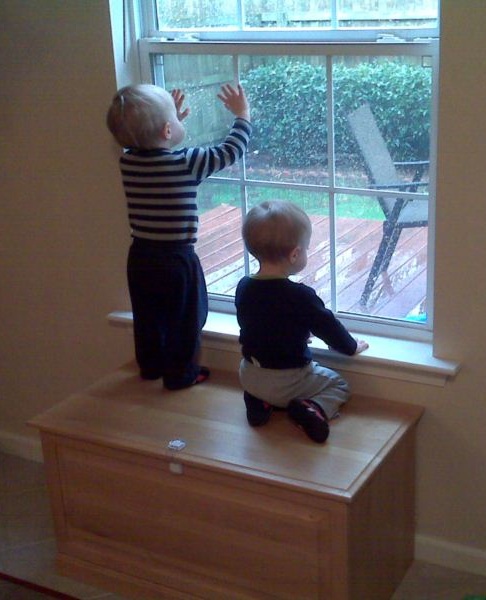
Parents, here’s one to think about: More than 5,000 U.S. children and teens are injured every year in falls from windows; but the problem isn’t confined to high-rises–most falls are from the first or second story.  Something to think about before airing out that unattended room by opening the windows.

According to a recent study published this week in the journal Pediatrics, preschoolers are the most at-risk from falling out of windows, and they also suffer the most head injuries. “Two-thirds of these injuries occurred among children younger than 5. This is the age group that’s mobile, curious and does not recognize the danger of falling from a window,” said senior author Dr. Gary Smith of Nationwide Children’s Hospital in Columbus, Ohio.  Fewer than 1% of these cases led to deaths, but the researchers said the tally likely underestimated fatalities because not all children who die from their injuries are brought to the hospital.

Parents don’t realize how easily children can climb up to windowsills by using toys or furniture as a boost.  And screens may appear as sturdy objects to little ones who don’t know any better.  A fall to the pavement below sure is tough way to learn that lesson.

The good news is that very few are fatal, but head injuries are common, so taking precautions is the best practice.  Window guards that run between $20-$40 can be installed, as can bars.  Window guards have a quick release that allows escape from a fire or other emergency.  No doubt, they’re ugly–but better ugly than Humpty Dumpty.  We have window locks in our place that allow us to keep the windows cracked, but prevent a child from slipping through–godsend for people that love fresh air.

Just think, 5,000 children per year dropping out of 1-2 story windows–that’s 100 per state!  That means the odds of yours being one ain’t that small.  Take precautions and prevent pediatric window diving…especially if you live in Wyoming.

Proprioception is our sense of where we are in space.  It tells us about relative position of body parts, as well as giving us information about our movements.  Proprioception is essential to how we move, how we are supported, and how we function.  To be free from low back pain and other musculoskeletal injuries, and to be in good shape both require a conditioned proprioceptive sensory system.

This system can become deconditioned from a number of interrelated factors: lack of regular, challenging movement, previous or current injury, significant change in weight or strength, drug use and/or abuse, and chronically tight muscles.

The list above should tell you that many people today are deconditioned in their proprioceptive senses.  From increased computer time (which means increased sitting), to changes in activity type (sports, music, art to more media driven activities like video games and computers), to poor diets and lack of movement, even from our advanced medical care that has people recovering from injuries that at one time my have been game-enders, people today need to think about their proprioceptive condition.

In the next few video posts, I will be discussing and demonstrating excellent exercises for stimulating, and thus conditioning, your proprioceptive system.  Although I usually prefer to give low-tech exercises, I really do think having access to some special equipment will be very useful here. The good news is that many gyms have the equipment you will need.  If for any reason that is not an option for you, you can contact my West Hollywood sports chiropractic office to purchase either a rocker board, wobble board or bosu ball.

Watch the video below for the first instruction on proprioceptive training: the short foot exercise.  You will need to master this to go to the next level.  I would practice the short foot exercise for one week before moving on to the next level.  You will see that by mastering this movement, you will have the foundation for keeping your balance no matter what the challenge.  Learn the short foot and have fun–I’ll see you soon for the next level.

So last post I discussed how all industries have an inherent drive toward sustainability.  It’s only natural–no industry will work to render itself obsolete.  This is my best explanation for the significant rise in ADHD diagnoses over the last decade.  As that industry grows, many mouths are fed, from the diagnosticians, to the experts and researchers, to the drug manufacturers, to the authors, to the critics, and the list goes on and on.

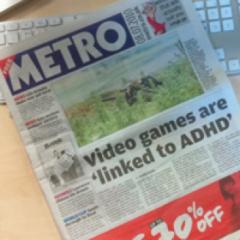
Researchers from the U.S. Centers for Disease Control and Prevention found that between 2007-2009, an average of 9% of children between the ages of 5 and 17 were diagnosed with ADHD. This compared with just under 7% between 1998-2000.  Again I ask the question: Are more children being born with this disorder every year?  The genetic explanation is always popular, you know.  Or is it something in the environment?  Video games, social media, what?

Further, researchers have found a narrowing of prevalence among racial groups–that is, whites, blacks and some Hispanic groups are being diagnosed in comparable numbers.  You don’t say?  With Obamacare on its way, you bet I do.

But astute doctors understand that increased numbers do not always tell the whole story.  According to study author, Dr. Lara J. Akinbami, a medical officer with the National Center for Health Statistics, “We don’t have the data to say for certain what explains these patterns, but I would caution against concluding that what we have here is a real increase in the occurrence of this condition.”  Precisely.

“In fact, it would be hard for me to argue that what we see here is a true change in prevalence,” Akinbami added.  “Instead, I would say that most probably what we found has a lot to do with better access to health care among a broader group of children, and doctors who have become more and more familiar with this condition and now have better tools to screen for it. So, this is probably about better screening, rather than a real increase, and that means we may continue to see this pattern unfold.”  Bingo!

You see, better access means “more widely accepted”, and therefore, “reimbursable.”  That is exactly why it is being diagnosed across a broader racial spectrum.  Universal health care means, “every ADHD diagnosis pays.”  No worrying about the uninsured; everybody has the right to have a child labeled ADHD now.  What a magnificent country we live in–equality at its finest.

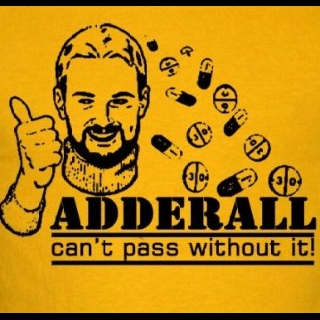
And “better tools to screen for it” means, “wider, more accepted parameters; acceptance of subjective criteria used by diagnosticians to account for variability, as this is a mental condition.”  So darn near any non-conforming kid is a candidate for ADHD drugs, like Adderall or Ritalin, and the industry continues to sustain itself.  According to the National Institutes of Health, ADHD is the most common behavioral disorder among children.  Well, no shiitake mushrooms–I hope you see it, too.

This is really an interesting phenomenon if you take the time to analyze it.  The industry will keep growing, and it won’t change until parents say, “Enough! No more!”  No more drugging my children, no more labeling them as dysfunctional, no more holding my child back because teachers don’t understand how to inspire him, no more discouraging my kid by assuming something is wrong with him because he doesn’t care about the same things an outdated school system tells him to care about.  It won’t change until parents wake up.

Don’t believe me when I tell you the ADHD industry is growing by keeping itself relevant and sustainable?  We’ll let the good doctor, Akinbami, explain it in her own words:

“Children of ADHD use a lot more health care dollars than their peers, because the condition itself requires a lot of monitoring. And they are also much more likely to have other chronic health care conditions, such as asthma or learning disabilities or conduct diagnoses like conduct disorder, which makes managing them for schools and physicians and parents much more difficult. So, it’s clearly something for public policy experts to be concerned about.”

In other words, “Not done growing.”  I’ll keep opening my big mouth until people get it.

Wanna see how economics fuels the growth and sustenance of a medical industry niche?  Check it: A new government survey reports that children diagnosed with ADHD has increased significantly over the last decadeYou don’t say?  Yes, I do.  Does this mean that more children are being born with ADHD every year?  Or maybe environmental conditions are increasing the risk?  I’ve heard those childhood vaccinations are pretty bad, but… Anybody who reads this blog knows my impression of the ADHD industry.  I mean, I dedicated the entire month of December 2010 to this non-condition, this normal variant.  So what gives on the rapid increase?

To get a clearer picture, it might be best to start with an analogy, let’s say the auto-mechanics industry (easy choice for me, but could choose any industry, including chiropractic).  So, let’s say auto manufacturers become so good at their craft that the amount of cars needing repair decreases dramatically.  This would present quite the conundrum to the auto-mechanics of the world, considering their livelihood is dependent on fixing cars.

So let’s say, despite the decrease in repair needs, people still need to get their oil changed, so reasonably they go to a garage to have the service performed.  While under the hood, the astute mechanic notices a leak in the transmission and fluid leaking throughout (not too hard to plant oil with a spray canister and some used motor oil).  Uh oh…looks like you need some work done.  In fact, leaking transmissions seem to be on the rise–not surprising as many, if not most mechanics, would need to play along if their family is to eat this week.

Okay, you take it to the dealer for a second opinion.  Well their mechanics need to feed their families too, so guess what?  You got it–leaky transmission syndrome (LTS).  In fact, it has become epidemic.  You see, global warming has increased temperatures to such a degree that motor oil now gets heated to even higher temperatures, plus the fuel coming over from the middle east is now of such poor quality, that it tends to open portions of the transmission allowing leaks.  And there is nothing that can be done about it, except take it in to garages, have the transmission rebuilt and sealed with a special sealer that needs to be re-applied every six month, and…you get the point.

You see, no industry is going to make itself obsolete.  None.  Which shouldn’t be disheartening, because commerce is what makes the world go ’round.  We do all have to eat.

But my problem with this happening in medical care is that we are not talking about something as replaceable as a car.  We are talking peoples’ bodies, their health.  Believe me when I say this is happening in the ADHD industry today.  You can read or re-read my posts from last December to get some background on this complete sham of a disorder.  Then check in for the next post where I’ll discuss the latest info confirming to me how the ADHD industry is keeping itself relevant and sustainable.

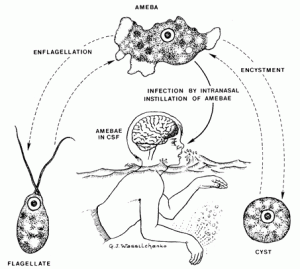
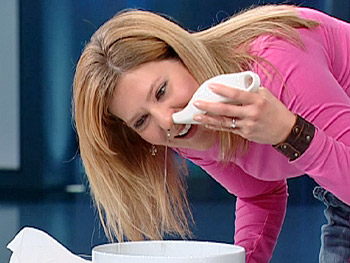
How’s this for random and weird?  Three people have died this year from a brain-eating amoebaNaegleria fowleria microscopic organism found in warm fresh water like lakes, rivers, hot springs and soil.  The victims include a a 16-year-old Florida girl, who contracted the infection from swimming in a river, and a 9-year-old Virginia boy, who died a week after he went to a fishing day camp, and a 20-year-old man in Louisiana, who died after using a neti pot–a teapot-shaped device used to run salt water through the sinuses to relieve allergies, colds and sinus troubles.

N. fowleri usually enters the system through the nasal passages, very often from jumping or diving into water.  The amoeba then makes its way up to the brain where it digests brain cells, killing the person within two weeks.  The disease is called primary amebic meningoencephalitis, or “PAM.”

Although a harrowing fate for the inhaler, N. fowleri does not actively seek out human brains; it really is a bacteria-consuming parasite.  But, like all of us, it will consume what it can until it finds the meal of its choice–to the great misfortune of the human unlucky enough to inhale the microscopic blob.

This illness is extremely rare–only 120 reported U.S. cases (almost all of them deaths) since the amoeba was first identified in the early 1960s, according to the Centers for Disease Control and Prevention (CDC).  The annual incidence of infection (and thus deaths) is three per year.

Brain-eating amoebic infection seems to be confined to the south, where all three victims this year contracted it.  The neti pot case is especially weird, as the parasite tends to live in warmer waters.  It also brings up some useful precautions one should take at all times when swimming in fresh water lakes and rivers in the south, or when using a neti pot.

Lake and river swimmers should hold their nose shut or use nose clips to prevent water being forced up the nasal passages.  And neti pot users should always boil and sterilize the water before running it through the nasal passages.  By following the instructions on the package of the neti pot, users will be most safe.

It’s a tragedy for the families suffering the loss of their loved ones to something as random as an encounter with a rare amoeba.  But it should remind us all to take precautions.  I will admit, though, I probably wouldn’t have considered running into a brain-eating amoeba while filling my neti pot, either (although I also have no desire to use one of these–not against it, just not interested).

I think the most important thing is for people to be aware; so perhaps the CDC needs to make one of those public service announcements (PSAs) and show it as summer begins every year.  Saying that, we probably will still see three deaths a year.  N. fowleri probably hasn’t survived for this long without having a few tricks up its flagella.

Here’s a curious case of circumcision whereby a man loses his entire penis to a doctor on a cancer trip.  Put yourself in someone’s shoes: You go to the hospital for a circumcision that’s supposed to help you with inflammation (??? new one for me, but I’ll roll with it).  You’re given your nighty-night nod by the anesthesiologist, only to wake up hours later sans member.  Doh!

Or…you’re a well-known and respected urologist, hired to perform a geriatric foreskin-ectomy, and given full permission to take control of any serious situation you come across.  During the procedure cancer is detected.  To save the life of the patient–you remove the cancer…one penis at a time.  Patient wakes up, checks what he thinks is the new chop top, and finds he has been removed from the club; wife’s even more pissed.  Who’s in the right or wrong?

Deborah and Phillip Seaton

Well, it’ll be up to the Shelby County Circuit Court in Kentucky, which will be entertaining the trial between Phillip Seaton of Waddy and his wife, Deborah, against Dr. John Patterson of Louisville.  The lawsuit alleges that Patterson removed Seaton’s penis without consulting either Phillip or Deborah Seaton.  The Seatons say they would have liked the opportunity to have a second opinion, and who can blame them?  They are seeking unspecified damages from Patterson for “loss of service, love and affection.”

The doctor’s attorney, however, states that his client had full authorization “to perform any medical procedure deemed necessary” and that the doctor found cancer in the organ during the surgery.  The attorney has said that Patterson “had no reasonable option” but to remove the cancer.  The Seatons’ attorney says the situation was not an emergency.

Dr. Patterson (right) and his attorney

Interestingly, Jewish Hospital, where the full-shaft circumcision was performed actually settled with the Seatons for an undisclosed amount.  Hmmm…maybe they know something we don’t…like ain’t no man scorned than he who wakes up without a penis.

So what do you think?  Case of irresponsible amputation, or modern medical heroism?  Should a doctor do what he can to save a life (even if not immediately urgent), or is it up to the individual?  It’s not very different from euthanasia or other medical dilemmas.  I know what I think, but I’m curious to hear other peoples’ opinions. 

What’s more in demand today than plastic surgery?  Cheap plastic surgery!  Don’t act surprised…who doesn’t love a deal?  And when it come to slicing and dicing your morphology, at rock bottom prices, no place beats Morocco.  Ah yes, Moroccan rhinoplasty–best in the world for under five grand.

According to a recent report, people are flocking to Morocco and its neighboring Tunisia for plastic surgery.  Clinics are plentiful in Rabat and Casablanca, where tourist can get procedures for less than half the cost of European clinics.

Morocco has a history of plastic surgery dating back to the 1950s.  When sex-change operations were banned in Europe, Morocco was a hub.

“The demand for cosmetic surgery in Morocco is actually growing steadily.  There are about 1,000 to 1,200 cosmetic surgeries per month in Morocco, and 10-15% of patients came from abroad,” said Salaheddine Slaoui, a specialist in cosmetic and reparative surgery, adding that the number of plastic surgeries had also doubled in the last decade.

The two most popular procedures are breast enlargement and liposuction.  You don’t say?  And the enhancement of choice for men?  Why, that would be penoplasty, or a good ol’ fashioned penis enlargement.  Yes sir!  In Morocco…sky’s the limit.

Says Sloui again, “Compared with last year, the number of consultations for penoplasty has practically multiplied by five!”

Hey you want it all, and who blames you?  New teats, improved package, cheap price…sounds like Morocco’s the place for you.  And since practically any doctor can practice cosmetic surgery in the western world (at least the U.S.) without special credentials (re: Jan Adams), then why should you worry about a third-world tummy tuck?  You shouldn’t!  Here’s looking at you, kid.

Low back pain, hip pain, butt pain, sciatica–these are all conditions that can occur as a result of a tight piriformis muscle.  But it doesn’t stop there.  Gait abnormalities, hip bursitis and knee pain can also result as secondary disorders related to a tight piriformis muscle.

Stretching a tight piriformis is imperative to prevent these conditions from plaguing you.  And if you’ve already got some of these problems, after you see your friendly neighborhood sports chiropractor, you’ll probably need to stretch your piriformis to bring length to the muscle and help open your hips sufficiently.

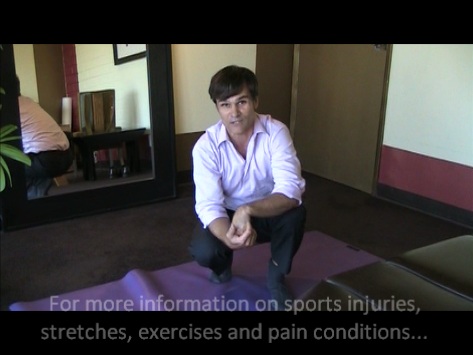
In the video, I demonstrate three excellent stretches (really two, with one version having two variants).  Start with the first one–lying on your back–if you are very tight OR you could even do that same stretch while sitting in a chair (although I don’t demonstrate that version in the video).  You can try the other two variants if you have a little more flexibility.

Play with all three to see where you currently are, and then work at that level for two to three weeks.  Once you’ve mastered your current level, you can move on to the next.  Have fun and happy stretching.

Copyright © 2013 Dr. Nick Campos - All Rights Reserved.