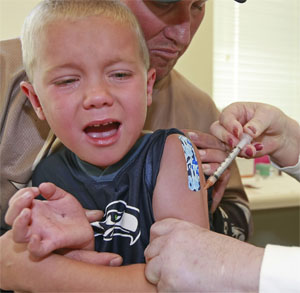
More stupidity coming out of the flu shot camp this year.  Same old propaganda.  Here’s the deal according to experts: You’re an idiot if you don’t get the flu shot.  All your reservations against getting the flu shot are false.  Not one thing you think negatively about the flu shot is proven, but get this…the flu shot is based on sound evidence.  Har, har, har.  Sounds like today’s best political style–if they disagree, denigrate them.

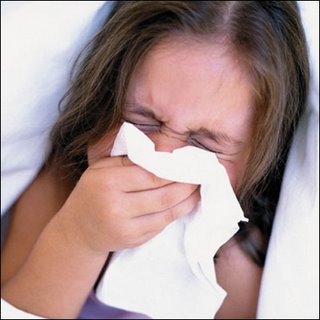
According to a recent report, many Americans are planning to bypass the flu shot this year.  A survey conducted by the National Foundation for Infectious Diseases (NFID) found that 43% of Americans will not be getting a flu shot this season.  Additionally, a second study found that one-third of American mothers said they have no plans to get a flu shot for their children.  Booyah!

I love it.  But the medical establishment doesn’t.  They’ve been ramming the flu shot malarkey down our throats for years, and they are WRONG!  Wrong.  I’ve been reporting on this sham for the last four years.  Every year they say the same thing.  2007 saw record flu shots given, yet the incidences of flu were off the charts.  The shot gave little protection that year.  In 2008, people kept away from the bull shot.  Guess what?  Flu cases went down!  Get it?

I’ve said this before, getting the flu strains right* in any particular year is very much like predicting the weather–it’s a crap shoot.  It’s freakin’ bogus.  But what really offends me is the arrogance by which the establishment belittles people who see this and choose not to swallow the BS being fed to them.

“Flu is serious. Every year millions of people get sick; more than 200,000 people are hospitalized and thousands of people die from influenza,” Dr. Thomas R. Frieden, director of the U.S. Centers for Disease Control and Prevention.

Yes, sick people, unhealthy people, immunocompromised people and malnourished children.  My children have had the flu every year–they’re alive.  God bless their immune systems.  If you want a flu shot–go get one; it’s available.  We’ll pass, though, thank you.  Are we stupid?  OK, I’ll take that under consideration.

Flu expert Dr. Marc Siegel believes that many people who opt not to get a flu shot are falling prey to myths about the vaccine. “It’s all because of this nonsense that’s been circulating that somehow the flu shot is dangerous.”

No doctor, listen up: It’s because the seasonal flu shot is bogus.  Plain and simple.  Wake up.

And his thoughts on the belief of some people that hand-washing helps prevent spread of the flu: “The idea that you are not going to spread the flu by washing your hands has never been proven,” Siegal noted.

And the sham that getting a flu shot prevents the flu has not only never been proven, it fails to do so many years–think 2007-2008.

I’ll keep reporting on this nonsense every year until the numbers of rejecters reaches high eighty percent.  Until then, hats off dissenters.  Glad you recognize the agenda.

* This year’s shot will contain the H1N1 strain…the same one they had to burn last season because nobody wanted.  Guess they found use for it.  How does it feel to be part of a massive public health experiment?
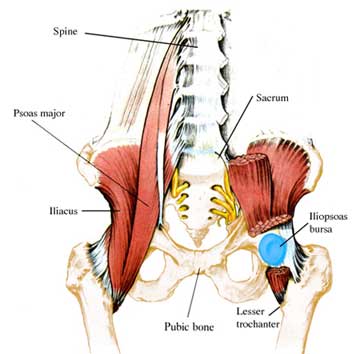
Low back pain can be caused by tight hip flexors.  The hip flexor muscle group is made up of the psoas, iliacus and rectus femoris (part of the quadriceps) muscles.  When tight, they pull the low back into a hyperlordosis, or an over-arch.  This causes pressure on the lumbar disks, leading to pain and stiffness of the low back.

The hip flexors can be loosened with a simple runners stretch.  You can do this at home finding complete low back pain relief, or it might be a good temporary fix before you get in to see your sports chiropractor.

Watch the video below to see the proper way of stretching the iliopsoas, or hip flexor complex.  If you need a good Los Angeles, Beverly Hills or West Hollywood sports chiropractor, check here.


Sorry cat lovers, but it is a dog in the home that might just help prevent eczema in your child.  Yup, poochie prophylactics we call ’em, and a recent study shows that it might just do the trick, immunologically, to keep your kid from developing the itchy skin inflammation.

The study, done in Cincinnati, found that children with a dog in the home at age 1 had a significantly reduced risk of eczema at age 4, but children who had a cat were more likely to have the ailment at the same age.  And get this, a dog in the child’s home also seemed to protect against allergies to cats.  Woof, woof, woof…

Over 600 newborns were looked at, some testing positive for dog allergies (meaning they were allergic even though they had no symptom), some not.  Of those testing positive, the children that did not live with a dog had four times the risk of getting eczema by age 4 than those who tested positive and did own a dog.  The higher the dog allergen levels were in the homes, the lower the risk was for the child developing eczema.

“It’s speculative, but possible that the protective effect is due to a sort of natural immunotherapy where children who are exposed to dogs become tolerant over time in the same way that people on allergy shots develop tolerance to allergens,” said study author Dr. Tolly Epstein, an assistant professor in the division of immunology, allergy and rheumatology at the University of Cincinnati Medical School.

Not all experts see the results as definitive, though.  Dr. Wanda Phipatanakul, an associate physician at Children’s Hospital in Boston, contends that other research has shown conflicting results on the impact of cats and dogs on the development of eczema.

“The jury is still out,” said Phipatanakul, who is also an assistant professor of pediatrics at Harvard Medical School. “I don’t think anyone, including the authors, is saying to go get a few dogs, or don’t get a cat to reduce your risk.”

True, but you’ve got to admit, the results are interesting.  Preliminary as they may be, with more studies surely on their way, these findings are encouraging.  If they turn out to be correct, then the results might just show a greater symbiosis between man and his best friend.

Just to show you that today’s health care is all politics and money, let’s discuss the uproar over new Centers for Disease Control and Prevention director Dr. Thomas Frieden’s latest statement on the six priorities–or winnable battles–that the center should focus on: smoking, AIDS, obesity/nutrition, teen pregnancy, auto injuries and health care infections.

So what’s the uproar?  Think of all the other groups that want political backing and money: cancers, heart disease, eating disorders, mental health…SWINE FLU for crying out loud!  These left out groups just ain’t gonna see the money, baby.

Many advocates, legislators and others in public health have dedicated their lives to problems that did not make Frieden’s short list, so the complaints are rolling in…wah, wah, wah…and you thought health care was just about health.

Part of the problem for the groups left out is that most of Frieden’s “priorities” are long-standing, major challenges that get a lot of attention already.  Like, let somebody else in the club.  Corn nut allergies are grossly overlooked time and time again.

“So is hepatitis C,” cry pundits of this condition.  Heps B and C is are ticking time-bombs ready to explode, according to experts, so why not move smoking to the side for a decade or two?  Isn’t it enough that we’ve banned nearly all public smoking, and have reduced cigarette smokers to ostracized lepers?  


Frieden is known to somewhat shake the system.  As New York City’s health commissioner in 2002, he began by identifying the city’s most pressing health issues, leading campaigns to ban smoking in the workplace, tax soda, cut salt in processed foods, and ban artificial trans fats in restaurants.

Frieden calls his new short list “winnable battles” because, he says, proven programs can save lives and reduce harm from each of these health problems.  He believes government can make dramatic improvements if available money and manpower are focused.

I’ve personally got nothing against the CDC’s fight against “winnable battles.”  I might focus on six different priorities, but Frieden’s choices are certainly noble.   No doubt smoking and poor nutrition/obesity are the cause of numerous health problems.  Auto accidents kill many people unnecessarily, and with texting the new drinking for driving, we are going to have our hands full for quite awhile, I presume.

AIDS, frankly, doesn’t scare me as much as syphilis does, but…well, I’ll just say it…lots of money and politics there.  Reality is that many cases could be prevented through safe sex.  And nobody can convince me that there just aren’t enough free condoms to go around.  Uh huh…and infections continue to soar in certain populations, although we all know better…hmmm.

Health care infections?  Just a part of today’s overuse of medical care.  Got to change a whole paradigm to make a shift there, but the fact that the CDC considers it a priority is a move int he right direction.

I must say that I am pleased at the attention health and health care has been getting nationally.  Everybody is thinking about it these days–good, as it should be.  But I still can’t help but marvel at the bickering among health groups and organizations over which health malady is most important…especially since we all know that would be health maintenance.  But of course.

Not a nice story, but a sobering reminder of the importance of staying hydrated.  Sally JoAnne Menke, a longtime editor for Quentin Tarantino films was found dead early Tuesday morning, a victim of hyperthermia or heat stroke.  


Menke went out walking her dog with a friend at around 9 am Monday morning in Griffith Park in Los Angeles.  For those who don’t know, Monday was a day of record heat in Southern California, reaching 113 degrees in Los Angeles.   During the walk, Menke, who had a history of seizures, started complaining of dizziness; she decided to return to her car.  The friends split up, and Menke was observed walking on a hiking trail about 15 minutes later.  Witnesses say she appeared disoriented but declined any help.  Apparently, Menke and friend did set out on their hike with a bottle of water.  


When Menke failed to turn up after the hike, friends organized a search team and set out on horseback and by foot to find her.  By 6pm the police were called.  Search dogs, a police helicopter, Hollywood Division officers and the Fire Department’s urban search-and-rescue squad participated in the search.  Her locked car was found in a Griffith Park parking lot.  Menke’s body was found at 2:15 am at the bottom of a ravine near 5600 block of Green Oak Drive with her black Labrador retriever loyally by her side.  She was 56 years old.

Menke worked on every Tarantino film from Resevoir Dogs to in 1992 to last year’s Inglourious Basterds, which earned her an Academy Award nomination.  She also worked on Teenage Mutant Ninja Turtles, Heaven & Earth and Mulholland FallsMenke leaves behind two children, a son and a daughter.

This is a sad story that is a major reminder to everyone: Don’t mess around with your hydration levels.  Water is necessary for most life processes, with temperature regulation a crucial one.  We have a very intricate temperature regulation system that is dependent on water.  When hydration levels are low, we become susceptible to overheating, or heat stroke.  Disorientation, dizziness, fatigue, muscle weakness can all occur in an individual that is not properly regulating temperature.  In these individuals, they feel that they just need to lie down and  rest.  Bad idea.  It’s the sleep you may never wake up from.

If you find yourself in this situation, call 911 immediately.  Time might have saved Ms. Menke.  But even better, make sure you are properly hydrated from the start.  That requires two liters of water every day!  That’s right, two liters…daily. Can’t stomach it?  Better build up to it, because it’s what you need.  It doesn’t matter if you live in Southern California or the east coast, Florida or the Great Lakes–regardless of region, you can fall victim to hyperthermia (heat stroke) whenever you are not properly hydrated.

Water intake is not a game.  Don’t mess around.  If you don’t want to eat, you’ll survive, but if you don’t drink water, you’ll die within days.  You might even die sooner depending on conditions.  And don’t rely on your thirst mechanism to guide you.  Thirst is one of the last symptoms of dehydration.  Like I said, don’t mess around: drink your two liters of water every day.

My condolences to the Menke family.

Neck pain is the most common thing I see in my Los Angeles, Beverly Hills and West Hollywood chiropractic clinic during the hot months of summer and fall.  Whether from sleeping with the air conditioner on or with a window open, that cold breeze can lead to an eight hour muscle spasm locking-up the neck for days, weeks or even months afterwards.

Neck pain, however, is not always that simple.  What I mean is that there are many different causes of neck pain and getting neck pain relief really depends on the proper treatment.  For that, you need to have a proper diagnosis.  Chiropractic can help with many forms of neck pain, but again, knowing what is causing the disorder will help the chiropractor provide the best chiropractic adjustment

Read this article written for my website drnickcampos.com to learn what you can do to get your neck pain properly diagnosed and treated, as well learning which neck exercises and stretches will be the best prevention.  Don’t suffer from neck pain needlessly; read this article and you’ll be that much closer to getting neck pain relief.

For a look at what a chiropractic neck adjustment looks like, watch the video.


It’s nice to have a doctor who really knows you.  I always say, there’s a big difference between healers and technicians.  Technicians know the ins-and-outs of their discipline, but they often lack the interpersonal skills necessary to make their patients feel comfortable.

Knowing one’s patients–their lives, family details, what drives them, their values–helps a doctor effectively communicate recommendations, and increases the likelihood that the patient will either follow through with the plan, or at least that the two can work together to find an alternative course of treatment.  Without having this type of interaction, the doctor-patient relationship runs the risk of becoming one of authority-subordinate, nag-nagged or money grubber-chump.

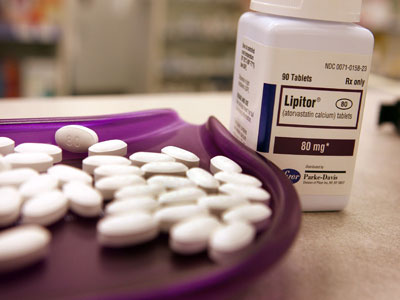
Take my doctor, Dr. W, for example: he knows me.  He knows my family, my work, my job, my beliefs, and so on.  But best of all, he knows my health habits.  He knows that I work out regularly; he knows that I take vitamins, and he knows that I don’t do drugs or alcohol.  To top it all off, he knows that I am probably not going to take his statins.  Yes, that’s right–I don’t care if my LDLs are one-bleepity-bleep–no statins for me, thank you very much.

I love that he knows this about me.  When giving me my annual physical exam results, he leaves a nice voicemail message, finishing it off with, “And your cholesterol is high.  I’m recommending statins, so I’ll call the pharmacy and leave the prescription because I know you’ll probably tell me that you’re not going to take them.”

Ah, good ol’ Dr. W.  He knows me in and out.  He knows what I’ll do and what I won’t.  He genuinely cares about me, my work, and my family; and that’s why I keep going back to see him.  Dr. W is a healer because he knows how to listen, is observant and doesn’t try to overpower me with his health-authority bull$&*!  Good health care, Dr. W, and I appreciate it.  But I’m still not taking any statins.

Caught a great piece on Prime Time News L.A. tonight regarding local farmers markets in Southern California (see video below).  Get this: A number of vendors at the farmers markets are selling non-local, mass produced fruits and vegetables that they pick up at large wholesale produce warehouses in downtown L.A.  And some have been found to be pushing pesticide-laden produce despite advertising their products as pesticide-free.  Ah ha ha ha ha…that’s a gas.  Is anybody surprised?

To sell at farmers markets vendors are supposed to provide locally grown produce.  To be licensed, the farms must be registered with the farmers markets, and their location registered on the permit.  Guess what?  Many are lying and registering their dirt lots as farms.  NBC Prime Time News L.A. did an investigative report, visiting several falsely registered farms and finding something interesting.

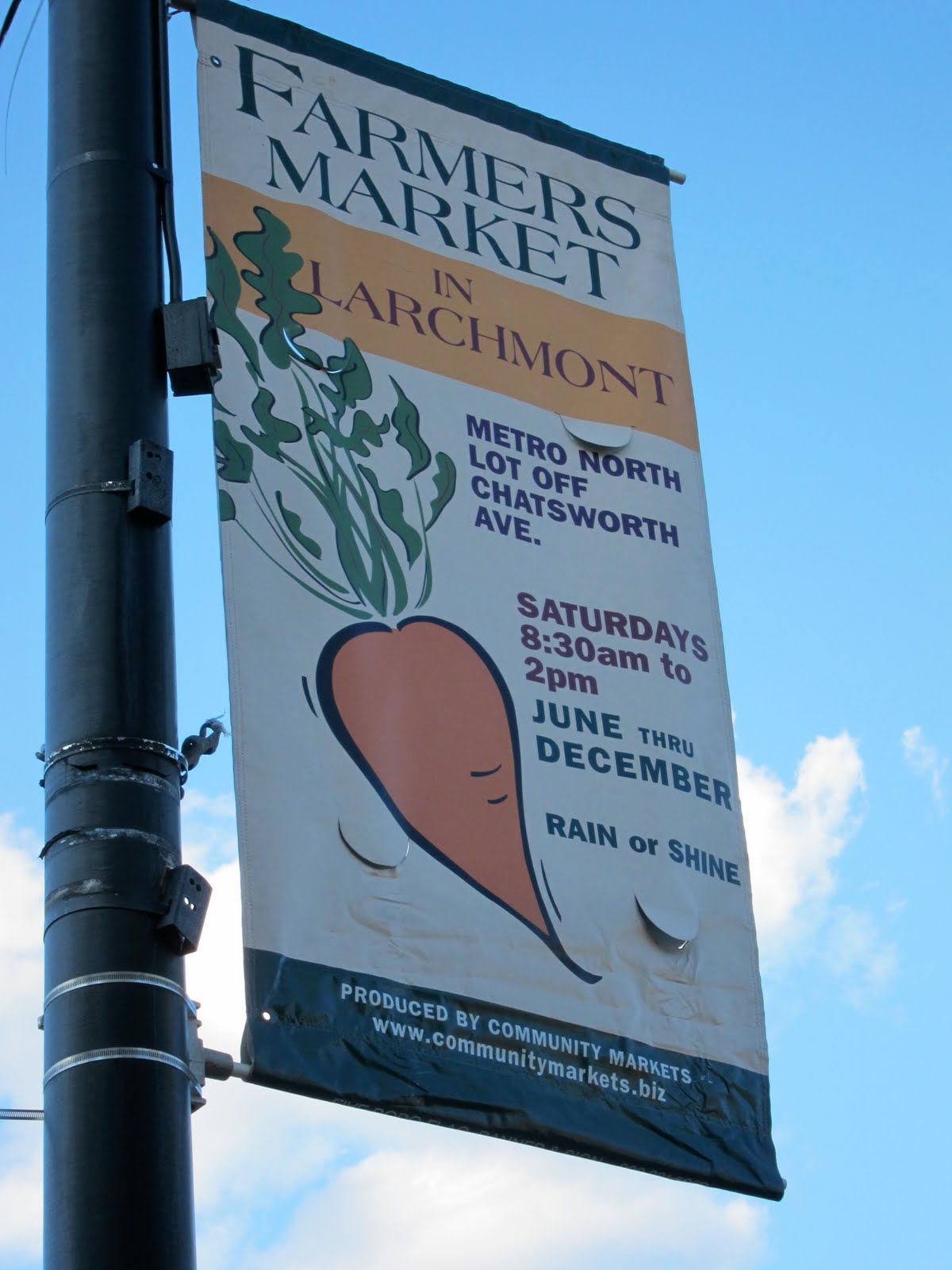
Jesse Frutos, owner and operator of Frutos Farms, which sells produce at seven different farmers markets in LA and Orange counties, including Century City farmers market, the Larchmont market and the Buena Park market was busted at his dirt lot in Cypress.  When questioned at one of the markets, he claimed that all his produce was grown at his farm in Cypress, the one registered with the State of California.  NBC paid him a visit and he was forced to admit that none of the produce he sells is actually grown on the dirt lot.  Way to go, Jesse.  The news crew followed his truck on market days and caught him buying the produce at a big downtown warehouse, where they sold produce coming from as far away as Mexico.  Local, you know?

“You are selling some things at farmers markets that you didn’t grow, that you got at wholesale produce markets?”

Jesse admitted, “Yes.”
Another vendor, Juan Uriostegui, who sells produce at the West Hollywood farmers market on Mondays, claims to grow his produce at his farm in Redlands, in San Bernardino County.  NBC paid him a visit with officer Allan Lampman of the San Bernardino Department of Agriculture in tow.  Guess what? Lampman asked Uriostegui to show him where he was growing broccoli, but all the farmer could show him was a patch of dry dirt. “I’m looking at the fields, saying, ‘I don’t think you grew that broccoli,'” Lampman said.

Uriostegui has been busted and fined before for selling produce he hasn’t grown.  But hey, farmers markets are great places to flip produce and turn a profit.  Call Frutos and Uriostegui brokers.  Unfortunately, they are misleading their customers.

NBC also purchased strawberries from five different vendors claiming to carry pesticide-free goods.  When tested, three of the five actually contained pesticides.  One vendor called “The Berry Best,” owned by Mary Ellen Martinez, which sells at the Torrance farmers market was questioned and told that her pesticide-free strawberries were found to have four different pesticides on them, said she didn’t know how that might have happened.  She thought perhaps that pesticides used at a neighboring farm drifted over to her produce, but according to the testing lab that would be impossible due to the concentrations found on her best berries.

This is no surprise to me since I know that the more popular a trend becomes, the more likely it will be infiltrated by shysters–a lesson for everybody to do their homework.  I can say if this is happening in Los Angeles, it is most definitely happening in farmers markets across the country.  So it’s a good idea to practice diligence and do one’s own research.  It would probably be a good idea for the farmers markets themselves to conduct periodic investigations.

One farm that came out glowing—and my wife confirms its legitimacy too, as she takes our children there to pick fresh berries—was Underwood Farms in Moorpark.  They sell produce at 14 local Los Angeles markets, all grown on their family farm.

So get smart—ask questions and take no vendor’s mere presence at a local farmers market for granted.  They might be selling you something you can get a your local supermarket for much less, and pulling the wool over your eyes with regard to their pesticide-free status.  Thank you Prime Time News L.A. for some top-notch investigative reporting.

View more news videos at: http://www.nbclosangeles.com/video.

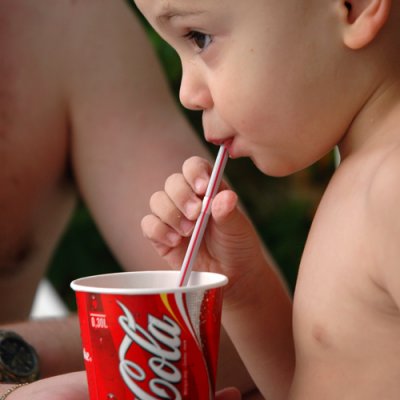
Yo kid, whatcha drinkin’?  Not water, that’s for sure.  A recent study to be published in the October issue of the American Journal of Clinical Nutrition, shows that children in the U.S. are drinking far too little water.  Since water makes up the bulk of the human body weight, getting sufficient amounts is vital.  And since we can’t store water for the long term, running on a water deficiency can wreak havoc on the health.

According to the study conducted by the Queens College of the City University of New York and the U.S. National Cancer Institute, American children drink far less than the minimum amount of water recommended by the U.S. Institute of Medicine.  The study looked at the water intake of 3,978 boys and girls, aged 2 to 19 years, who had been included in a national nutrition study from 2005 to 2006.  They found that only 15-60% of boys and 10-54% of girls, depending on age, drink enough water.  Instead, children are primarily drinking…yup, you guessed it, sugary drinks like sodas.

The study found that most kids drank sweetened beverages with meals and not plain water.  Yecchh!  And girls overall drank less water than boys.  The good news is that as children age, they start to drink a bit more water, but not enough to preserve good health.  Let’s go over some points on the importance of proper hydration:

  • Human beings cannot live without water for a few days
  • We lose approximately two liters of water per day through sweat, urine, tears, saliva and the breath, among other processes
  • Caffeinated drinks–sodas, iced tea, coffee drinks–are diuretics, which make us urinate more, thus increasing the need for water
  • Insufficient water levels lead to
  • fatigue
  • increased hunger
  • muscle weakness
  • headaches
  • dry mouth
  • heat stroke and other maladies

Furthermore, high consumption of sugary drinks leads to…yes, right again, obesity (along with other illnesses like diabetes).  And you heard childhood obesity is due to the common cold virus, now, didn’t you?

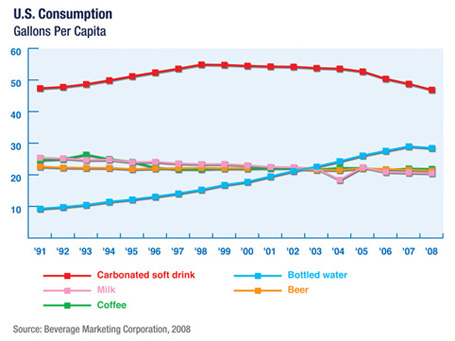
Listen, adults in the U.S. aren’t doing much better.  Sodas are still the number one consumed beverage in America.  And kids learn from their parents, so if you are a soda junkie, don’t expect less from junior.

Simple solution: stop buying soda! If you have younguns at home, don’t give them any of that crap, period.  My girls have never tasted a soda in their lives, and they won’t ever in our house.  Yes, I’m on a soapbox on this one, and I’m not getting off anytime soon.  That garbage is killing people, and I’ll keep screaming it till people listen.

Water is the elixir of life, and if you or your child are not getting enough, then you’re playing with fire.  Play with water instead, give your kids good ol’ H2O to drink and watch them flourish.  It’s in your hands parents–do the right thing.

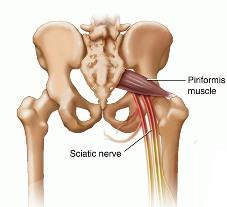
Low back pain, hip pain and sciatica can result from a tight piriformis muscle.  The piriformis runs from the sacrum (tailbone) to the femur (thigh bone), and is an external rotator of the hip.  Its function is essentially to prevent the inward collapse of the leg during walking.  It can become tight from lack of stretching (most common), overuse (especially with an overpronation foot dysfunction) and pregnancy.

Because the muscle crosses the sacroiliac joint and sits atop the sciatic nerve, a tight piriformis can cause low back pain, hip or sacroiliac pain, and sciatica.  If you’ve never had sciatica, consider yourself lucky, because it is characterized by a sharp, electrical, burning pain that shoots down a leg, sometimes to the foot, causing numbness or tingling.  Sciatica is not a pleasant situation and can be quite unnerving for the sufferer.

For sciatica caused by a tight piriformis muscle (as opposed to one caused by a herniated disk), you can try a simple stretch at home to get relief from the numbness, tingling and hip and low back pain that you might be suffering.  Watch the video to learn the best low back pain exercises and stretches available.  And while you are on the floor, pick up your phone and call your local sports chiropractor today.  If you work or reside in Los Angeles, Beverly Hills or West Hollywood, chiropractic can be found a phone call away at 323-651-2464.


OK, OK…now that genetics is out as a cultural crutch for obesity, here goes something to quickly take its place.  Get this: Childhood obesity might be linked to the common cold virus.  Yes, yes, the common cold.  Not lifestyle behaviors, but a virus.  How’s that for quick thinking?

A recent study to be published in the September 20 issue of Pediatrics showed that some children infected by adenovirus 36 (AD36), which causes the common cold and slight gastrointestinal upset, were an average of 50 pounds heavier than children who hadn’t been infected by this particular strain.  The study, small and rife with coincidences, is the latest in “take-the-blame-off-the-patient” obesity hypotheses.

The study looked at 124 children between the ages of 8-18, with more than 50% (67 total) considered obese based on body-mass measurements for their age and gender, and found that nearly one in four obese children had been infected with AD36, compared to only 7% of non-obese children.  In total, the numbers are 15 and 4 respectively–this makes a study?  Further, within the entire group of obese children, those who were AD36-positive weighed about 35 pounds more than obese children who hadn’t been infected with AD36.

I repeat, this makes a study?  Now granted, the authors do not claim to have proof, but I laugh at the absurdity of the notion from the start.  Why not study the link between biting one’s fingernails and developing hemorrhoids?  Seriously.

OK, I get the rationale, but come on!  Whether or not a child has been infected with adenovirus does not remove the necessity to watch the diet and to be active, plain and simple.

But we musn’t blame people. Why the hell not?  Why perpetuate the ultimate problem: the lack of knowledge, understanding, discipline and responsibility?  Here’s why.  Hypotheses lead to further studies, connections lead to rationales, and rationales lead to drug and vaccine development–think anti-depressants.  New drugs for epidemics means a shipload of money.  The public gets a new wonder drug, doctors get more business, and government gets to look like it supports the public health by endorsing poppycock.

So the rest of us get a good five years of having to hear how people are fat because they’d at one time caught a cold; a particular cold; a fat cold.  And we get to pay even more for their health care, because it’s not their fault and everyone should be entitled to be an ignorant, irresponsible and undisciplined glutton.  We support you…literally.

Now before I get accused of being insensitive to obese people, remember, I’m the first to say be whatever you want to be.  I have nothing against obesity, ignorance, irresponsibility or a lack of discipline, because I know that everyone has these same characteristics somewhere in their lives.  In fact, I have said in this very blog and in my health articles that I am more an advocate for people loving who they are as they are, even if obese, as long as if they want to change, they take the responsibility to do so on their own.  No BS, no excuses, just take the leap and accept the glory and the blame.

But I do not support removing personal responsibility from one’s physical health and well-being; and I definitely do not support the use of so-called science to find further reason to move the blame away from the individual.  To answer one of the study’s authors, who thinks we should “move away from assigning blame, and broaden the way we think about obesity,” I say, it help much less to give people another crutch to simply rationalize reality: It takes hard work and a drastic change in lifestyle to lose weight and keep it off.  You’ve got to cut the sodas, work out, and keep the overeating in check.

Trying to pass off the notion that obesity is somehow caused by exposure to the common cold is irresponsible, and in my mind, an obvious attempt at creating the next blockbuster drug.  It’s a free market, yes–but will it change the world’s obesity profile?  Fat chance.

Well surprise, surprise–pills in the medicine cabinet pose a greater threat to children than household cleaners.  This from a recent U.S. Centers for Disease Control and Prevention report stating that two out of every three children showing up at emergency rooms for poisoning were due to ingesting prescription drugs.  And you thought those orange canisters were child proof.

Poisonings being the number one health hazard for children makes it prudent to know which household items are causing the greatest harm.  Medications by far lead the pack–they are twice as likely to cause pediatric poisoning as cleaning substances, pesticides, personal care products and other toxic household substances.

Says Jay L. Schauben, a pharmacist and director of the Florida Poison Information Center in Jacksonville, Florida,

“Normally what occurs when someone is taking medicine on a chronic basis, they’ll leave it out.  Any pills left out are within the grasp and reach of a child. Some of the medicine can look like candy. Some of the cough syrupsare flavored and taste good. You can sort of see how that would be a disaster waiting to happen.

The drugs children most often overdose on are over-the-counter (OTC) medications, with 10% of all poisonings in children under five coming from common analgesics like Tylenol or Motrin.  Don’t forget that very young children put things in their mouths all the time–they are sampling their environment.  When common OTC meds are left out, children will likely want to try them.  Further, when hosting guests, always remember that they might be on medications, too, so keep an eye out for meds left out in guest bathroom.

Fortunately, not all kids that swallow pills overdose: only 26 deaths from 1.3 million poisonings in children 5 or younger were reported in 2008.

The best thing parents can do if they suspect medication poisoning, experts say, is to first call the Poison Help hotline: 800-222-1222. That number will connect them to the Poison Control Center nearest them.

“The only time you want to call 911 first is if the child is unarousable, the child is having difficulty breathingor the child is having convulsions or seizures,” Schauben said.

According to another expert, “More than 95 percent of the time, a child will be able to stay at home.  I don’t think just because a child got into something, the parents should automatically pack them into the car and take them to the emergency room. We can determine who needs to go to an ER or not.”

Once again,

Poison Help hotline: 800-222-1222.


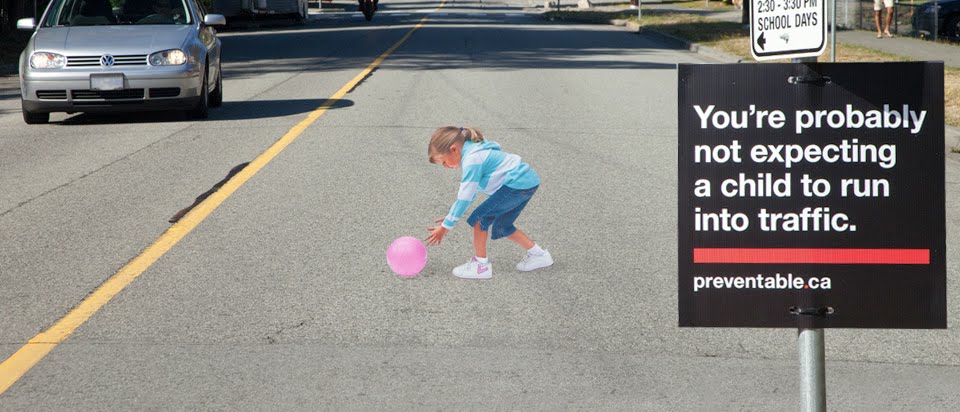
How do math and art combine to preserve health and safety, as well as bring awareness to drivers to slow down while driving through school zones?  Through anamorphosis–a distorted image that only appears in natural form under certain conditions, as when viewed at a distance or from a particular angle.

The safety advocacy group Preventable.ca hopes that, by using an anamorphic image of a child running out into the street after a ball, drivers will be reminded to slow down their vehicles at that moment, and anytime they may be driving through a school zone.  The image, placed on 22nd Street in West Vancouver, British Columbia, is of a girl picking up a pink ball.  Mathematically distorted, it can only be seen from the distance of 100 feet away.  The image is strategically placed to pop up as drivers approach; any closer and drivers can tell it’s an illusion.  Hopefully they slow down to look more closely.

The technology is made from 3-M concrete sidewalk vinyl, and stretches for 40 feet. Because of the distortion, the head of the child is 400 percent larger than the feet.

Anamorphosis is not a new art form–Leonardo da Vinci is said to have created the first anamorphic art piece in Western civilization in the 15th century.

Preventable.ca will leave the sticker on the road for a couple of weeks, but the sticker can stay on the road for between three to six months before it succumbs to environmental wear and tear.

Good job, Preventable.ca, and good job Canada.  I can think of lots of other good uses of anamorphic art, and I’m sure you can, too (pitbull on front door, hmmm…).  For more anamorphosis, check here.  Enjoy.

Bad, bad, bad adults.  You haven’t been eating your veggies.  How can you have any pudding if you don’t eat your beets?A new Centers for Disease Control and Prevention (CDC) report shows that most Americans are still not eating vegetables, and fruit consumption has dipped a bit, too.  According to the report taken from a telephone survey of hundreds of thousands of Americans, only one-third of U.S. adults consumed fruit or fruit juice at least twice a day. That’s down slightly from more than 34% in 2000.

And vegetable consumption is at 26%, right where it sat in 2000.  Doh!  Not good, people.  And we wonder why cancer rates continue to soar.

Although the survey did not say which fruits and vegetables were being consumed by Americans, a CDC study last year showed that orange juice was top source of fruit for most U.S. adults, while potatoes were the most consumed vegetable.  Oh God bless the french fry…

Some other interesting facts:

  • California was the fruitiest, having the highest consumption of fruits
  • Tennessee had the highest vegetable consumption
  • Oklahoma ate the least fruit
  • South Dakota was last in eating vegetable

I know lots of clients in my Los Angeles, Beverly Hills and West Hollywood chiropractic clinic are taking various supplements that have high-concentrations of ground fruits and vegetables in them, particularly berries and other fruits high in antioxidants.  Uh, sorry folks…vitamins don’t replace food.  And I know others that swear by exotic fruit drinks.  That’s fine, but for the price of one bottle you can probably stock up on fresh produce for the week.

Look, it ain’t rocket science.  You’ve got to eat fresh fruits and vegetables to maintain good health and prevent degenerative diseases like heart disease and cancer.  When I say this to people they always shake their heads in complete agreement because, well, everybody knows that.  But these numbers show that many of the head shakers aren’t walkin’ their shake.  OK, you know…so how ’bout steppin’ it up?  It’s for your health.

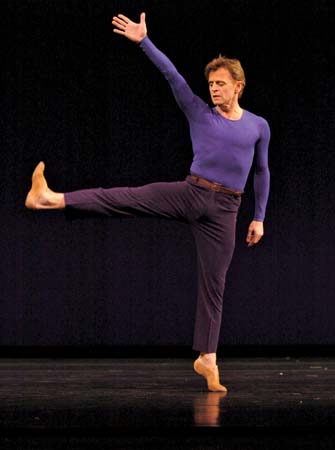
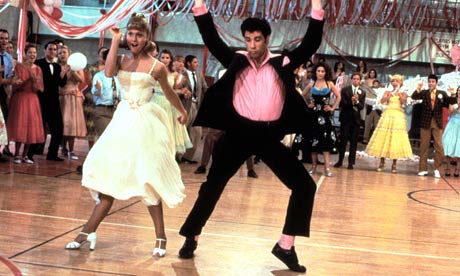
Listen up, gents.  Women are attracted to dancing…yes, dahn-cing.  And when it comes to dance moves, wide, sweeping, flamboyant moves are best for attracting the ladies.

In a study published this week in the journal, Biology Letters, a publication of Britain’s Royal Society, researchers found that when rating male dancers, women preferred those who had a wide range of dance movesand focused on the head, neck and torso.  Think popping and locking.

Researchers from Northumbria University and the University of Gottingen in Germany asked 19 men aged 18 to 35 who were not professional dancers to dance in a laboratory for one minute to a basic drum rhythm. They filmed the men’s movements with a dozen cameras, and then turned those movements into computer-generated avatars so the study could focus on moves, not appearances.

Scientists then showed the dancing avatars to 37 women, who rated their skills on a scale of 1 to 7.  Women rated the best dancers as those with wider, sweeping movements and those that had a variety of moves.

Evolutionarily speaking, women may subconsciously judge how fit a man is by the fluidity of his dancing. According to one of the study’s authors, Nick Neave, an evolutionary psychologist at Northumbria University, their research was likely subjective and different cultures would have different measures for what constitutes good dancing.  He advised bad dancers to improve their core body moves.

“The movements around the head, neck and trunk were the most important,” he said. “The good dancers had lots of different movements and used them with flair and creativity.”

I don’t think men who are bad dancers should get down on their chances of attracting females.  I think in general women are just attracted to men that will dance.  Embarrassingly bad dancing will probably repel before attract women, but as long as a man is willing to move, I think he should be okay.

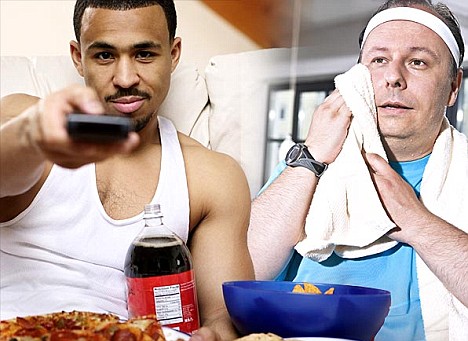
Dancing is movement.  Movement is health.  Health is attractive.  So dance—it’s that simple.

Short and sweet.  I’ve never bought the bull that obesity is genetic.  Too easy, removes personal responsibility or accountability, and dishonors all overweight people by telling them its beyond their control.  I make the point in my book, The Six Keys to Optimal Health, that even if genetics has a role in obesity, one is still bound by the laws of physiology–more calories in than out…weight gain; more calories out than in…weight loss; equal calories in and out…maintenance.  Gene or no gene, that’s the truth.

A new British study confirms my point: Exercise cuts a person’s genetic predisposition to obesity by 40%Well, no freakin’ shit-take mushrooms.

Researchers looked at over 20,000 people in Norwich, England and focused on genetic variants known to increase the risk of obesity.  Most people had inherited 10 to 13 of these variants from their parents.  Those obesity inheritors that exercised had 36% less weight gain per genetic variant than sedentary inheritors, and each additional obesity-susceptibility variant increased the odds of obesity by 1.1-fold.   This risk, however, was 40% lower for active people compared to inactive people.

In a nutshell: Fat genes or not, exercise obliterates obesity.  No more excuses.

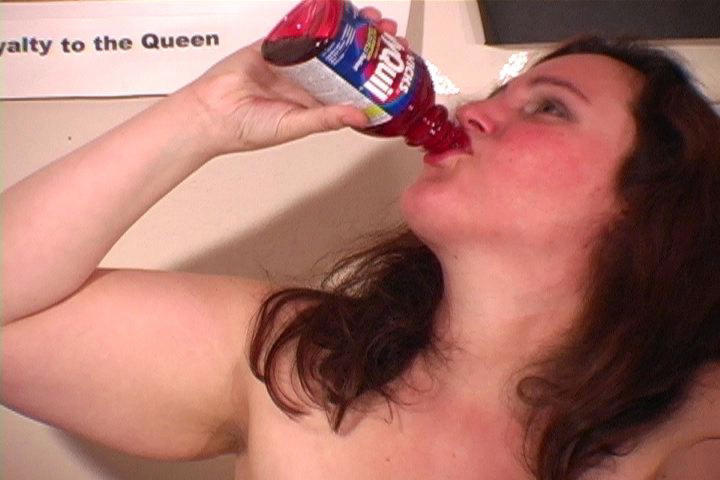
Ever been robotripping?  Know a teen that has?  If so, slap ’em across the head for me, “Hey stupid! Wake the hell up!”  Robotripping sends thousands of kids to the hospital every year.

Robotripping is drinking large amounts of cold medicine, more than 25 times the recommended dose.  It’s a way for teens to alter their state of consciousness.  Robotrippers jones for the active ingredient dextromethorphan, found in more than 100 over-the-counter medications, including Robitussin and NyQuil.  The drug gives psychedelic and euphoric effects at high doses; however, elevated doses can also increase blood pressure, heart rate and fever.  And some of the other ingredients added into compound can cause unwanted side effects, like liver damage from acetaminophen.  Doh!


So how many knuckleheads are robotripping?  2008 saw 8,000 emergency room visits linked to the pastime–a number up 70% from 2004.  Although FDA officials say the drug is not as widely abused as the painkiller codeine, it is more so than pseudoephedrine, a cold and allergy medicine ingredient that can be processed into methamphetamine.

Ah well, I must admit that whenever I think I’ve heard it all, something comes along to make go, “What?!?!”  I have heard of kids drinking NyQuil to get high, but they were severely disturbed, going through withdrawals, and the cold medicine was all they could get their hands on.  Eight thousand kids being hospitalized for drinking Robitussin in an age when pot is practically legal for recreational use just blows me away.

Just goes to show you, no matter what you legalize, a new illicit substance will surface in its place because…well, it’s more fun to be naughty, apparently.

Slap a kid in the head if you catch him robotripping.  I will.

The fight over cesareans has gone international…and violent.  Two Italian doctors are being blamed for the botched delivery of a newborn that have led to complications for both the mother and son, after the doctors got into a fistfight in the delivery room.  Medical mistakes UFC-style.

According to reports, the mother Laura Salpietro, 30, had to have her uterus removed and her son, Antonio, suffered heart problems and possible brain damage following his birth last Thursday in a Messina, Sicily public hospital.  The two doctors, one a state hospital employee, the other a private doctor hired by Salpietro as a gynecologist, disagreed on whether the patient should have a C-section.  The disagreement turned to blows.

Sapietro’s husband, Matteo Molonia, said the fight delayed the C-section by over an hour leading to the complications.  This has become a big story in the country, forcing the Italian health minister to traveled to Sicily on Monday to apologize to the woman.

The fiasco is only one of a number of errors plaguing the southern Italian region infamous for its high rate of medical mistakes.  Not lost on me is one significant detail of the Italian health system.  Yep, you guessed it–universal health care.

As a result of the entitlement-based system is an explosion of private doctors available to people that can afford them.  I have predicted the same to happen here in the U.S. if nationalization of our system continues to grow.  People that can afford it will hire private doctors to get around the inadequacies of government-run hospitals.  Just a conclusion of deductive reasoning, that’s all.

What has made this particular situation tragic is that the patient decided to have her birth in a public hospital with a private doctor present.  Duh!  I guess she learned the hard way that doctors can be territorial, literally and figuratively, and if she has followed common practice she would have given birth at a private clinic instead. 

This story also highlights the dramatically high C-section rates in Italy in general, and Sicily specifically.  According to reports, approximately 38% of all births in Italy are done by C-section, more than twice the 15% recommended by the World Health Organization. In Sicily rates reach 52%.  In other parts of Italy, Campania–the southern mainland region that includes Naples– for instance, C-section rates have reached 60%.

I have said in several posts, this is a major issueC-section are way over-prescribed, and experts believe the trend will continue.  Although many reasons for recommending C-section exist, most thinkers agree it is too high.

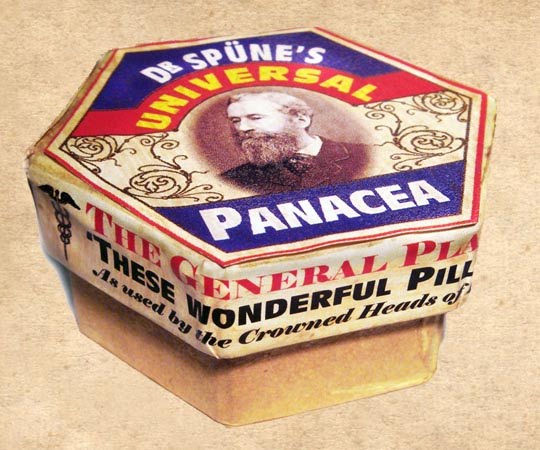
So keep your wits about you, America.  Don’t ignore the inevitable problems associated with universal health care.  It ain’t the panacea it’s being sold as.  If you can’t see the flip side from our friends in Europe, then you’ve let your blinders fall too far.  My condolences to the Molonia/Salpietra family–I hope it turns out okay.

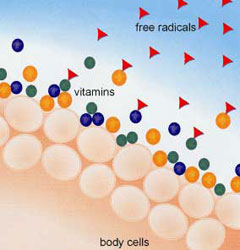
When it comes to preventing cancer, are nutritional supplements effective?  Some say yes, some say no.  There is, however, a superior way to prevent cancer nutritionally–by eating healthy foodsYou don’t say?  Yes, nothing beats whole natural foods when it comes to dietary health.

Recent studies have shown that neither vitamins C nor E did the trick in preventing cancer or heart disease when taken as supplements.  However, we know how important these vitamins are for proper function.  So what’s the deal?  Well, as I point out in my book, The Six Keys to Optimal Health, there is no substitute for real food.  C’mon folks, we haven’t found the magic pill yet that can replace food in providing either energy or nutrients (necessary as co-factors in metabolic processes).

Saying that, though, I am not yet convinced that nutritional supplements are useless.  In the big Women’s Health Study and the Physicians’ Health Study II, which provided the most damning case against supplements, one must admit the doses for vitamin C, at least, were very low (500 mg).  I personally take 2000 mg per day.  I will contend that 500 mg, while not useless, is probably too low to show such dramatic effects as preventing cancer or heart disease.

Remove vitamin C from the diet, though, and watch your health deteriorate.  Hmm, so what then?  Vitamin C is necessary but only valuable when coming from real food?  I don’t think so.  We must remember that supplements are just that–supplementing the diet.  Like exercise alone not guaranteeing good health, when combined with diet, rest, chiropractic care, sufficient water intake, and so on, you better believe it will increase your chances of experiencing optimal health.

So preventing cancer, I am certain, requires more than just supplementing.  True, studying each individual vitamin and minerals’ individual effects on the body is valuable.  But I think before we throw the baby out with the bath water, we might need to design more rigorous studies to learn the whole truth.

I am a firm believer in the healing and preventative power whole natural foods.  But I know that we need vital nutrients.  It can’t be possible that supplementing with compounds containing the same molecules as natural foods is folly.  Unless there are synergistic reactions that occur with other, as of yet, undiscovered agents…well, it just doesn’t make sense.  We know certain things about antioxidants in general, and the vitamins that fill that role specifically, so I’m thinking better studies are needed.

But forget not the principle–without healthy, whole natural foods as a staple in your diet, you won’t be preventing cancer or general malnutrition by simply swallowing a pill.

Huh?  Preschoolers using statistics to learn psychology?  Weren’t we taught that young children are egocentric–they can’t understand the world outside of themselves?  Well a new study sheds light on how children learn preference, and it’s neither consistent with egocentrism nor affective cues (how others respond to preferred items), but instead statistics.  That’s right–the human brain evaluates statistical information to come to conclusions.  Go figure.

The study set out to determine how preschool-aged children “understand the actions of other people in terms of underlying psychological causes, such as desires, preferences, beliefs, emotions, and knowledge states.”  It did so by creating an experiment testing a child’s recognition of nonrandomness, and whether this recognition allowed the child to make conclusions about another person’s preferences.

To do so, researchers recruited 72 preschoolers (average age: 4 years, 1 month) and put them in a room individually with a squirrel puppet named Squirrel.  They then watched Squirrel choose toys out of a box.  The available toys were of two types–foam red circles and blue flowers–in different proportions, randomly selected.  The proportions were either 18%, 50% or 100% target toy (let’s say red circles).  Squirrel then proceeded to pull out five samples of the target toy–still following?–and played with those toys for a short period.  The toys were then put back in the box and the boxes removed.  Out came three dishes with five samples of three types of foam toys–red circles, blue flowers and yellow tubes (as a control)–and the children were told to give Squirrel the toy it preferred.

Aha!  Here’s where it gets interesting: The children gave the squirrel the correct toy–the target–most often when it was the least present, that is, when at an 18% ratio.  When present at 50%, children gave the target correctly only half the time, and at 100%, they correctly gave the target only 25% of the time.  Hmmm…

Statistical analysis of the results showed that when the target toy was in the lowest proportions, the results were significantly greater than a chance occurrence, whereas in the 100% proportion the results were no greater than chance.

This study shows that the developing brain uses statistical information to determine preference.  If Squirrel chooses red circles despite their being less of them in the box than blue flowers, then it must prefer red circles.  Right.  When the proportions were equal however, or when there were only red circles, then the little brains could not infer which toys squirrel actually preferred.  Right again.

Now this may seem obvious to some, and judging by some comments I’ve already read about the study this seems to be the case for a few people.  However, to make this more interesting, the researchers set up a second study where they used affective cues–eyes widening, oohs and aahs, and so forth–when they received the preferred toy (in this study they used adults instead of Squirrel to test if children use visual and audial cues to make preference determination).  And again the results showed that children more correctly chose the preferred toy when it was in lower proportion, despite affective cues.  Genius.

I love this study because it gives some preliminary info on the workings of the young mind and how we come to certain understandings.  Unfortunately, the same cannot always be said of the adult mind.  Reading about this study initially in a TIME online article, I was appalled at the conclusion presented by the author,

“Even preschoolers, in other words, can see that some people might need more help getting what they want when less is available to them.”

This is a gross misrepresentation of the results and the author of the piece clearly did not understand the study.  If you happen to come across this nonsense in any other article, please note that this study showed that children used statistical information to infer preferences in other people only.  It had nothing to do with altruism, although I’m sure some people would love to see it that way to further their own beliefs.  But this study was on learning mechanisms, and at that it was brilliant.  We’ll leave the morality for another study.

Copyright © 2013 Dr. Nick Campos - All Rights Reserved.