
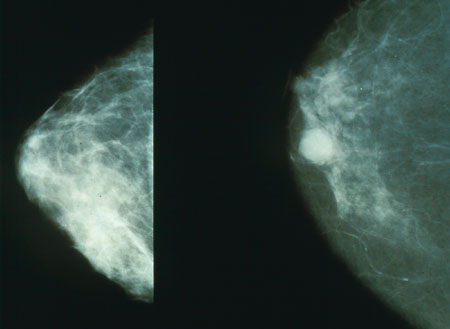
Get this: Up to one third of breast cancer cases can be avoided through diet and fitness. You don’t say? Yes! Eating less and exercising more can reduce the incidence of breast cancer, said experts at the European breast cancer conference in Barcelona yesterday.

Although better treatments, early diagnosis and mammogram screenings have dramatically slowed breast cancer, researchers estimate that 25 to 30 percent of cases could be avoided if women were thinner and exercised more. The numbers come from the International Agency for Research on Cancer, which is part of the World Health Organization (WHO). In fact, the WHO estimates that one third of ALL the world’s cancers are preventable.

Please digest this, people: Cancers are preventable. Hmm. One more time: Cancers are preventable. Geez…
Is this concept a part of our new world health order? Not yet, too avant garde. Let me point out the discrepancy between current medical thinking and the most up-to-date health research and information. This should make us all rest easy since we now have equal access to medical care. Our country’s lawmakers have found it in our best interest to give us more of the system that has brought us medical dependence. We’ll call our current system the “old way,” and the newer, not yet accepted by medical standards (and this includes the Congress and POTUS) approach, the “new way.” Here we go.

New way: “What can be achieved with screening has been achieved. We can’t do much more,” Carlo La Vecchia, head of epidemiology at the University of Milan, said in an interview. “It’s time to move on to other things.”

Old way: Any discussion of weight and breast cancer is considered sensitive because some may misconstrue that as the medical establishment blaming women for their disease.

New way: Dr. Michelle Holmes of Harvard University, who has studied cancer and lifestyle factors, said people might wrongly think their chances of getting cancer depend more on their genes than their lifestyle. “The genes have been there for thousands of years, but if cancer rates are changing in a lifetime, that doesn’t have much to do with genes,” she said.

Old way: Tara Beaumont, a clinical nurse specialist at Breast Cancer Care, a British charity, said her agency has always been careful about giving lifestyle advice. She noted that three of the major risk factors for breast cancer–gender, age and family history–are clearly beyond anyone’s control. “It is incredibly difficult to isolate specific factors. Therefore women should in no way feel that they are responsible for developing breast cancer,” says Beaumont.

New way: Karen Benn, spokeswoman for Europa Donna, a patient-focused breast cancer group, said it is impossible to ignore the increasingly stronger links between lifestyle and breast cancer. “If we know there are healthier choices, we can’t not recommend them just because people might misinterpret the advice and feel guilty,” she said. “If we are going to prevent breast cancer, then this message needs to get out, particularly to younger women.”

Frickin’ duh!

Breast cancer is the most common cancer in women. A woman’s chance of developing breast cancer in her lifetime is one in eight. Obese women are 60% more likely to develop any cancer than normal-weight women. Many breast cancers are fueled by estrogen, a hormone produced in fat tissue, so experts suspect that the fatter a woman is, the more estrogen she’s likely to produce, which in turn could feed breast cancer. Even in slim women, exercise can help reduce the cancer risk by converting more fat into muscle.

Drinking less alcohol might also help lower the risk. Experts estimate that having more than a couple of drinks a day can boost the risk of breast cancer by 4-10%.

Further, searching for magic bullets is counter-productive. There is no one pill or therapy that will make you healthy and live forever. Please wake up. Women who jumped on hormone replacement therapy to bypass the down-side of menopause increased their risk of developing breast cancer. In the ’80s and ’90s breast cancer rose steadily as obesity and the use of estrogen-containing hormones after menopause increased.

A sharp drop in breast cancer rates occurred as women abandoned hormone-replacement therapy due to a discovered link between the treatments and breast cancer. Experts said a similar reduction might be seen if women ate healthier and exercised more.

New way: Dr. Michelle Holmes, the Harvard expert, said changing diet and nutrition is arguably easier than tackling other breast cancer risk factors.

Well no shiitake, Samurai! That’s the new way; yet, we’re still stuck in the old. But at least we’re ALL stuck in it together.
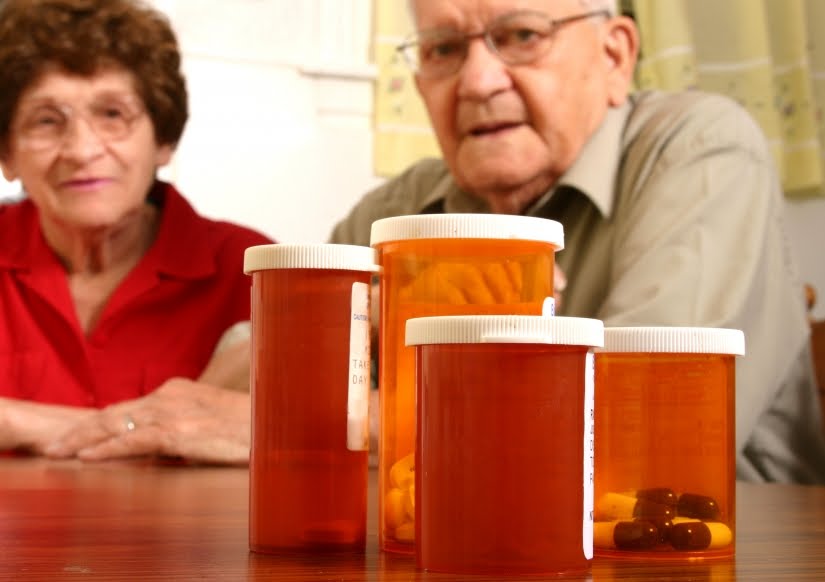

A very intelligent lady posed an excellent question to me the other day. After asking me what my message to the world is, she said, “Don’t you think that the medical profession should have a hand in changing health care?” I said, “Most certainly, but I don’t think that on its own it can ever change the mind-frame immersed in this non-health system.”Let’s take a step back and talk about what I mean. Obviously, this conversation started because of the celebrated, but not yet passed, health care reform bill. The young lady wanted to know my opinion on this historic measure. Truth is, I don’t really care one way or the other what happens with regard to a national health care policy. Doesn’t change a thing as far as I can see. Politically speaking, though, it was a victory of grand proportions. Obamacare achieved what had been unattainable for more than 60 years–a nationalized American health care law. Bravo!

But from a health perspective, is this really the change we’ve been waiting for? Is this momentous piece of legislation going to improve the health of all Americans? Doubt it. No, more directly: Obamacare might give more Americans medical insurance, but it will worsen health, period!

How do I know? Simple. Medical care is not health care. Emotional non-thinkers think it is. Fine. It’s not and I can prove it. Medical care is sick care–it excels in saving lives. Saving lives is not health care. For the ignorant mind that scoffs at the notion, then certainly medical insurance is right up there with cell phones and Nikes as something every American must posses–because that’s equality. Equality has nothing to do with health. Health is not a right, it is a condition; more accurately, it is self-administered, self-regulated condition. The same morons that believe medical insurance equals health don’t really care about health or health care at all–it’s ideological for them. My foolish party politics are better than your’s are. Nya, nya, nya, nya, nya, nya.

So what would real health care reform look like? It would actually involve improving health (go figure). Should the medical profession have a hand in this? Yes, but they will never seriously push it, because there ain’t no money in healthy people (we can all do that for next to nuttin’). There’s a vested interest in sick people, even if it’s not talked about or simply part of the professional unconscious.

And for all the BS about doctors getting back to their roots and caring for people, well, that’s pure rhetoric. When doctors can’t earn enough to pay their student loans AND turn a profit, you’ll see law school applications go through the roof. Mark my words.

*Note: I will dedicate the rest of the month of March to showing exactly why health care reform isn’t about health. Dare to read and learn, disputers.


Last post I discussed vitamin D insufficiency resulting from too little sun, and I’m not holding back knocking dermatologic scare tactics keeping people out of the sun. Adding sunscreen lotions to our moisturizing products and makeup has become pervasive. Aside from keeping us from getting our necessary vitamin D, sunscreens directly affect our health.

As a recap, we need sun exposure; sunlight causes the production of vitamin D in our skin. Vitamin D is necessary for many functions, and being low in vitamin D can cause a bevy of problems. I’m not going over all of them here. I’ve written plenty of posts on vitamin D insufficiency; they are all here (here, here, and here). I also recommend reading my article on vitamin D–it’ll direct you on how to get tested and find out your vitamin D levels. Vitamin D insufficiency is epidemic today, and people are developing chronic illness as a result. Educate yourself on the dangers, get tested, take supplements and get sun, that simple.

What I want to discuss is the direct danger of using sunscreen. This product has been so ingrained into our lifestyle that people accept it’s safety as if it were soap. I encourage you to think twice. Let’s look:

Melanin, the brown pigment that is released when skin is exposed to sunlight, absorbs UV radiation and dissipates the energy as harmless heat, blocking the UV rays from damaging skin tissue. It is nature’s amazing photoprotectant–more than 99.9% of these molecules repel photon energy. Compare this to some ingredients in popular sunscreens–the most effective only repelling 81% photon energy, and some as low as 10%.

Because of its poor dissipation of photon energy, sunscreens actually allow more free radical formation. My regular readers know what these damaging chemicals are, but for those of you who don’t, free radicals oxidize molecules and tissue potentially leading to cancer and other degenerative diseases including premature aging.

Not only are sunscreens poor photoprotectants, but some of their ingredients have been implicated as increasing the concentration of reactive oxygen species (ROS), which can also cause oxidative damage to DNA, cells and tissues leading to inflammatory diseases and premature aging. In one study, the sunscreen acted as a protector for the first twenty minutes; after 60 minutes, however, it increased the number of ROS in the skin.

Some studies (also here and here) have even implicated sunscreen as increasing the risk of developing malignant melanoma, the deadliest of all skin cancers. However, two meta-analyses (and here) failed to show a causal effect of sunscreen use on melanoma development, despite the correlation found in the other studies. So the jury is still out on whether sunscreen increases the skin cancer risk.

What is pretty clear, though, is the health risk posed by some of the synthetic compounds found in sunscreens. From Wikipedia:

In 2007 two studies by the CDC highlighted concerns about the sunscreen chemical oxybenzone (benzophenone-3). The first detected the chemicals in greater than 95% of 2000 Americans tested, while the second found that mothers with high levels of oxybenzone in their bodies were more likely to give birth to underweight baby girls.

Finally, there has been some concern over nanoparticles used in many sunscreens. Nanoparticles could increase rates of certain cancers or diseases similar to those caused by asbestos.

With all the potential dangers linked to using sunscreens, along with their blocking our vitamin D producing capacity (as well as studies showing sun exposure lowering death rates of cancer patients), why the heck would anybody continue using them regularly? Like I said last post–I’m done. I’m getting my daily sun sans sunscreen. If I go to the beach, I’ll put some on after about twenty minutes, then I’ll get under my umbrella. Short bouts of sun, that’s it. That’s how I’m doing it. How ’bout you?

I’m no sucker–I’m quitting the SPF. That’s right, we’ve been duped…badly. Made suckers by dermatologists, but no more.

SPF or sun protective factor is a measure of sunscreen lotions’ effectiveness at blocking out UV radiation. Sun protective lotions have pervaded our skin products and make-up. It’s everywhere, and it’s screwing people up. Here’s how:

Over the last decade for certain, and probably even longer, I have observed numerous clients (and one family member) in my Beverly Hills chiropractic office, with bandaged healing wounds on their faces, necks, shoulders and arms.

“What the heck is that,” I’d ask. “Oh, my dermatologist says it’s a mild form of skin cancer, so they removed it.” Some people would have like ten of these wounds on their head and shoulder regions. WTF???

OK, I’d think, I’m not going to question the dermatologists–they’re doctors! (hum of Mormon Tabernacle Choir crescendos in background) But why so many now, today? Why not a decade ago? Global warming?

More like dermatologic marketing. When you practice in a relatively useless and heavily impacted specialty like dermatology, the lack of viable cases can lead to stagnant revenue. So…why not scare the pants off people and pick a properly positioned political issue that fits in perfectly with dermatology–skin cancer! Yeah, that’ll work.

OK, so what’s the problem? Skin cancer exists, right? Yes, it certainly does, but the anti-sun campaign has led to some serious health consequences. We are currently in a vitamin D insufficiency epidemic. I’ve been very vocal about the dangers of vitamin D insufficiency, and now I have a personal experience to boot.

My wife and I just got our vitamin D levels checked (if you haven’t done this, then do it soon–I can’t recommend it highly enough). Mine came back at 38, my wife’s 32. Anything over 35 is considered “normal.” So, my wife has entered dangerous territory, yet I’m not without risk either. According to some sources, optimal vitamin D levels are 50-65. And I take daily vitamin D supplements! What the heck???

Here’s what the heck. We’ve been fooled by a medical specialty trying to keep their heads above water–it’s been purely professional survival. Not buying it? Read my article on the dangers of vitamin D deficiency, get your vitamin D levels checked (I’ll bet they’re low), and then we’ll talk. Supplement with vitamin D and STOP using sunscreen regularly–only wear it when you know you’ll be baking in the sun all day. Get that crap out of your daily moisturizers, your make-up and any other daily product the marketing hounds have put it in. My next post will be on the direct dangers of using sunscreens that go beyond not getting enough vitamin D. Stay tuned.

Actor Corey Haim has died at 38. The Lost Boys actor woke up this morning feeling a little weak; as he got out of bed he dropped to his knees. Paramedics took him to St. Joseph Medical Center in Burbank where he was pronounced dead.

Although the cause of death is, as of yet, unknown, I suspect drugs were a part of the equation. Haim, a self-reported life-long addict, was taking over-the-counter and prescription medications to battle “flu-like” symptoms. Whether or not drugs shut him down directly by overdose, or the long-term use just weakened him enough to make him succumb to an opportunistic disease, I don’t know; but somewhere drugs played a part–of that I am certain.

Haim discussed his drug abuse with a British tabloid in 2004. “I was working on ‘Lost Boys’ when I smoked my first joint,” he told The Sun. “I did cocaine for about a year and a half, then it led to crack.”

He said that he went into rehab where they put him on a see-saw regimen of stimulants and sedatives. Nice. That’s wisdom.

“I started on the downers, which were a hell of a lot better than the uppers because I was a nervous wreck,” he said.

Drug use, Haim admitted, ruined his acting career and it caused other problems, as well. In 1997, Haim filed for Chapter 11 bankruptcy protection, listing debts for medical expenses and more than $200,000 in state and federal taxes.

In a 2007 interview on CNN’s “Larry King Live,” Haim called himself “a chronic relapser for the rest of my life.”

Self-fulfilling prophesy? Mmmhmm. We’ll wait for the coroner’s report, but I think drugs–prescription along with recreational–have claimed another Hollywood life.


Some people are driven by their bodies, and others by their mind. Despite the age-old argument of whether the two entities are separate and distinct, we know one thing for sure–working out the body does wonders for mental health. Take that, Descartes!

A recent study out of Duke University showed that regular moderate exercise and healthy diet together can improve scores on cognition tests. The four-month study conducted by Duke’s nueropsychology department looked at 124 fifty-two year old men and women with high blood pressure (HBP) who were a minimum of 15 pounds overweight, on average. The study was originally designed to look at diet, exercise, and HBP; but the researchers decided to throw in cognitive function as an interesting side investigation.

One third of the participants followed the DASH–Dietary Approaches to Stop Hypertension–diet, which emphasizes low-fat dairy products, fruits and vegetables, in combination with regular exercise. One third, followed the DASH diet along with a weight-management program and aerobic exercise. The final third went about on their regular dietary and exercise regimens.

The exercise conducted was moderate–30 minutes three to four times a week, “enough to put the heart up to 75 to 80 percent of its maximum rate,” as one of the researchers said. The weight-management programs were split between two strategies–one centered on reducing portion size and cutting the snacking habit, while the other focused on appetite awareness training, which provided guidelines on food quantity (how much one ate) as well as food quality (types of food). The cognitive tests focused on executive function, learning and psychomotor speed.

Researchers found that the group that exercised regularly and ate well had an overall 30 percent improvement in mental function by the end of the four-month period. They also lost an average of 19 pounds and lowered systolic blood pressure (the higher of the 120/80 reading) by 16 points and diastolic pressure by 10 points. Shazam! All by diet and exercise.

As one of the researchers concluded, “There are neurochemical changes that happen with exercise. There is increased production of brain-derived neurotrophic factor, which stimulates connection with other brain cells, but also there is some evidence that it helps grow new brain cells.”

On top of that, as I point out in my book, The Six Keys to Optimal Health, regular exercise increases circulation, oxygen and nutrient transport to the brain; it reduces depression and anxiety; and it leads to increased production of phenylethylamine (PEA), which is the body’s natural opiates…so it FEELS GOOD! Oh yeah, give it to me, baby!

There you have it: Another study showing the enormous benefits of diet and exercise. Now, before you say, “Big deal, tell me something I don’t know,” understand that these finding should shed some light on the notion of mass use of nootropic drugs, otherwise known as smart drugs. When 7% of all college students and 20% of polled scientists using them to enhance memory, problem solving, attention, and mental endurance, I think it’s time to start discussing alternatives.

No drugs are free of side effects, and the notion of the world’s scientists being tweaked out on designer speed is, well….scary (think Norman Osbourne). So that’s why I post these seemingly obvious studies. Yes, we all know that diet and exercise have wide-ranging benefits. But then why isn’t everybody doing them?


Governments don’t lie, do they? Nah. Political parties lie, right? Especially the one you disagree with–they always lie. And your party never lies, right? Governments don’t lie, no way.

Well, one lie hard to pass off for very long is the scientific lie. One such lie is about the efficacy of the flu vaccine. This is one of my staunchest issues, and I’ll never shut up about it: Flu shots are bull turds!

A recent interview with prestigious epidemiologist and flu-vaccine researcher for the Cochrane Collaboration in Britain, Tom Jefferson uncovers exactly why we must question the utility of the flu vaccine (not to be confused with swine flu or H1N1 vaccine), despite the Centers for Disease Control and Prevention (CDC) new public health campaign in the U.S. encouraging vulnerable patients–particularly the elderly–to “protect yourself and the ones you love against flu: GET VACCINATED!”

According to Mr. Jefferson, when a systematic review of ALL studies on the efficacy of flu vaccines was conducted, the findings were inconclusive. In other words, they didn’t show effectiveness or non-effectiveness one way or the other. The governments of the U.S., Britain, Australia and Germany, however, as well as the World Health Organization (WHO) use a “citation bias” when evaluating flu vaccines, which essentially means they cite studies that agree with their viewpoint, and ignore (or fail to cite) studies that show no effect or disagree with their agenda. What do you know? Keep that in mind Global Warmers.

This isn’t news to me as I’ve pointed out in several posts(here, here, here, here, and here) the use of selective science. This method of subjective objectivity has been running rampant in today’s science, particularly the health sciences. It’s shameful, and buyer beware: You better check many sources when trying to get the truth these days.

He goes on to say that bigger and better studies on flu vaccinations are needed, but somehow governments are largely ignoring this. An “extraordinary situation,” Mr. Jefferson calls it. Not if you understand modern politics, sir.

He believes, as I do, that effective and provable methods for preventing the spread of flu are simple hygienic practices like hand-washing, wearing gloves and masks (a little weird but effective), and distancing oneself from infected people. Duh! And here’s one of my own, not mentioned by Mr. Jefferson: How about just catching the flu? I don’t mean actively seek it out, but being ill has its benefits, you know.

Too avant-garde? OK, then just try washing your your hands. Mr. Jefferson states,

“There is solid evidence that [hygienic practices] work against all [flu viruses], not just specific strains [unlike the flu vaccine, as it is designed]. They are culturally acceptable and cheap, and they reduce transmission rates of other viruses too. A great American, Stephen Luby of the CDC, has published a study from Karachi, Pakistan, that found that physical interventions are lifesavers. He should receive a Nobel Prize for his work, but I’m sure he never will.

I’m sure he will not, either–no money in simple hygiene. But oodles in useless vaccines.

Mr. Jefferson concludes that he is not antivaccination (and neither am I); he has five children, all of them vaccinated. As he says, childhood vaccines have strong evidence to back up their effectiveness, unlike the annual flu shot. “I am not antivaccine. I am anti–poor evidence,” he says.

Bravo! Nothing more refreshing than a scientist dedicated to the truth. Sounds weird, I know, since science is the investigation of truths of the universe. But that’s the way it goes when politics get involved in any endeavor. When it comes to your health, you better find the truth for yourself, because you won’t get it from the government. Governments lie.


You’ve heard of “fake weed,” no? Now you have. It’s what kids are smoking these days. It may be fake, but it’s real. A real drug with real dangers. Time to talk to them youngsters.

Fake weed, also known as K2 and “spice”, is causing hallucinations, vomiting, agitation and other dangerous side effects. Oh it gets you high, alright–but it comes with an added surprise: different responses in different people. Not since LSD have we seen that kind of shenanigans.

K2 was first designed in the organic chemistry lab of Clemson professor John W. Huffman, who studies cannabinoid receptors. Essentially these receptors are the human molecular machinery that responds to THC, the compound in marijuana. The recipe for the compound JWH-018 (his initials) got picked up likely in Europe, although he had heard that people were selling it in China and Korea as a plant growth stimulant well before people started getting high on it.

And have they ever been getting high. Apparently K2 has an affinity for cannabinoid brain receptor (CB1) that’s about 10 times greater than THC. That means it doesn’t take a whole lot to get you wasted. Good for Snoop Dog..bad for your kid.

And worse yet, it comes with unexpected side effects. As a cannabinoid receptor stimulant, one would expect it to behave like marijuana; but some of the symptoms bringing teens into hospitals after using the drug, such as increased agitation and elevated blood pressure and heart rates, didn’t match up with marijuana. Some more unusual side effects include fast heart beat, dangerously elevated blood pressure, pale skin and vomiting, which suggests that K2 is affecting the cardiovascular system. Further, it also is believed to affect the central nervous system, causing severe, potentially life-threatening hallucinations and, in some cases, seizures. Doh!

According to Huffman, “It’s like playing Russian roulette. You don’t know what it’s going to do to you; you’re a potential winner of a Darwin award,” referring to the tongue-in-cheek awards given to people who “do a service to humanity by removing themselves from the gene pool.”

Well, all I can say is…doesn’t surprise me. Think about this: when marijuana becomes legalized, as it pretty much has in California and other states, it’s non-illicit nature will not be enough for either rebel teens nor societal outcasts. Illegal booze led to the formation of the mob, illegal hallucinogenics to Woodstock, and “fake weed” will likely have its counter-culture. I’m not endorsing it, nor am I shrugging it off. I think you’ve got to talk to your kids about this stuff and hopefully steer them away from it. Since laboratory mice that JWH-018 was tested on were euthanized following experiments, nobody really knows the long-term effects. So, kids…just say no, okay?

But if the kids today are anything like those of yesteryear–and they ARE–looks like you’ll be happy if your’s merely hangs out at the local medical marijuana clinic. I see more of these designer drugs on the horizon. Wow–the more things change, the more they stay the same.


The title of this post may seem obvious, but an interesting study has just been published showing that people will choose healthy foods over junk food if the price of the junk is higher. This study shows strong evidence that a junk food tax might help improve overall health, while lowering the obesity epidemic in this country.

The research conducted at the University of Buffalo in New York gave 42 mothers just over $22.00 to spend at a “supermarket” set up in a room at the university and stocked with images of everything from bananas to whole wheat bread to cola drinks and cookies. They were told to imagine that they had no food in the house and they were going to do the shopping for the week to feed the family. They were given the choices of 30 healthy foods, which included healthy beverages, and 30 junk foods, including sodas and other sugary drinks.

The women went shopping five times, the first round having prices on par with what they currently are at local supermarkets. Two times the prices of healthy foods were lowered, and two times the prices of the junk foods were increased. The interesting results were that hiking the prices of junk foods, like what would occur from a so-called “sin tax,” was more effective in lowering overall calories purchased than lowering the prices of healthy foods. Hmmm…you don’t say.

Even more interesting is that lowering the price of healthy foods merely increased the overall calories the women purchased. Wow!

I love this study! First off, although I am a huge proponent of self-responsibility particularly as it relates to health, I do believe that taxing unhealthy behaviors is appropriate. As much as I believe in the live and let live philosophy, in today’s economic and health care environments, peoples’ poor health choices are being paid for by us all. So I think if you want to smoke, smoke, but you’ve got to pay more; want to live off Susie Qs, pay up; boozer for life, no problem, just pay your share. Now obviously, the only way this type of tax would mean anything is if the money would be used to offset health costs. I’ll leave that to policy makers.

But back to the study: Making healthy foods cheaper didn’t lead people to make better choices, they still went for more. In fact, when they saved on broccoli, yogurt, fish and eggs, they just took the savings and bought cookies and chips. Duh!!! So lower food prices obviously are not the answer, not from a health perspective anyway.

“It appears that mothers took the money they saved on subsidized fruits and vegetables and treated the family to less healthy alternatives, such as chips and soda pop,” the authors of the study said.

But raising the price of the crap actually led mothers to choose healthy foods–a sad statement on human psychology, but an awesome perspective on the power of economics. In the experiment, taxing junk foods by 10% resulted in the shoppers buying 14.4% less high-fat and sugary foods and drinks. That meant their week’s shopping contained 6.5% fewer calories, the study said.

Well what can I say? When it comes to making health choices surrounding food, Americans are severely addicted to junk, and in my estimation, sugar in particular. Only continuous education (what I’m trying to do here) is going to change that. But a sin tax is certainly a way to combat obesity, particularly childhood obesity which is rising rapidly. And it can also help subsidize health care costs. With a culture so dependent on sugary junk food, we’re going to need every penny we can get.

Low back pain is the most common ailment walking, er…limping into my Los Angeles, Beverly Hills and West Hollywood chiropractic office. Of all the spinal regions of the body, the lumbar spine, or low back is the most complicated when having to determine the source of pain.

Low back pain can be musculoskeletal, meaning from the joints, muscles or tendons (other tissues, too, but mainly these); or it can be from organic causes. Organic causes of low back pain include, but are not limited to cardiovascular disease, cancer, digestive disorders, kidney stones, and sexually transmitted diseases. Every one of these requires medical attention.

If your issue is caused by a musculoskeletal problem, then nobody better than a chiropractor to help relieve your low back pain. Chiropractors address more structures and tissues than any other bodywork specialist. We adjust the joints, work out muscle tension, strengthen weak muscles, lengthen short/tight muscles, and correct foot dysfunction. Furthermore, chiropractors are doctors, which means you’ll get an accurate diagnosis AND treatment that goes beyond a drug quick-fix (I’m not knocking it, just clarifying the difference in solutions) in the same office (no out-referral).

When it comes to assessing and treating low back pain, nobody does it better than a chiropractor. Watch the video below to see a chiropractic adjustment for low back pain in action. If you are having low back pain, especially if it’s been around for awhile, do not hesitate, go see a chiropractor for a real solution.

Here’s a shout to the five chiropractic doctors serving on the 2010 U.S. Olympic Medical Team, one a former teacher of mine and standout sports chiropractor. BOOYAH!!!

Three of the five doctors of chiropractic are alumni of Southern California University of Health Sciences (SCU), Mike Reed, DC [my former instructor in the post-graduate chiropractic sports physician program (CCSP) at SCU], who is also serving as the team medical director, Eric St. Pierre, DC and Tetsuya Hasegawa, DC. The other two chiropractors are Dr. Josh Sandell, a chiropractor and certified athletic trainer from Maple Grove, Minn.; and Dr. Blase Soto, a chiropractor from East Brunswick, N.J.

Imagine that–a chiropractor as medical director of the 2010 U.S. Olympic team. Can I repeat: BOOYAH!!! Dr. Reed is Medical Director of the Sports Performance Division for the United States Olympic Committee at the Headquarters in Colorado Springs, CO. He has been teaching in the Post-Graduate Division of SCU [formerly Los Angeles Chiropractic college (LACC)] since 1984 and developed the Sports Medicine Residency program at SCU, where he served as its first Director.

Dr. St. Pierre is serving on the US Olympic Medical Staff for the short track speedskating team. Additionally, his duties include caring for athletes in the Olympic Village in Vancouver.

Dr. Hasegawa is serving on the US Olympic Medical Staff for the Bobsled and Skeleton teams and is providing care for the athletes housed in the Whistler Olympic Village.

Well, what can I say? I’m proud of my distinguished colleagues and my country’s Olympic Team. Making chiropractic an integral part of Winter Olympic training and health care is smart, sophisticated and cutting-edge. We certainly do lead the world in innovation, here–no doubt about it. And adopting chiropractic as a routine part of professional and world athletics proves it. No surprise that as of today the U.S. leads the medal count with 36*. Booyah!


*A new record!!!

Most people think of chiropractic for pain relief, and it’s great for that; but chiropractic is also necessary to keep the nervous system functioning optimally. That’s why chiropractic adjustment for kids is essential.

It’s rare for children to experience chronic pain the way adults do, although it does happen. More important, though, is that children are in the developmental phase of growth, and as such they are establishing neural pathways that will shape their future experiences and, thus, their lives. Chiropractic adjustments can aid in that development so that they fight infection easier, handle bumps and bruises better, and experience growth and neurological wellness unimpeded.

The nervous system takes in and processes information from the environment around us. So pediatric chiropractic adjustments, then, allow the nervous system to do what it does best–recognize, analyze and create responses with no interference. Think that is useful for a developing child?

I’ve been receiving chiropractic adjustments since I was seven–thanks mom! And that’s exactly what I do for my children, too–provide them with healthy, optimally functioning nervous systems. If you and your children live the chiropractic lifestyle now–bravo! If not, try it–you’ve got nothing to lose, and everything to gain. It’s safe (watch the videos: those are my most precious treasures, my daughters), effective, and it FEELS GOOD!


How can seniors both reduce the effects of aging on the brain and give back to society? By tutoring children, that’s how. And it is exactly what thousands of elders are doing–teaching kids how to read, write and do math–giving many of the older folk a renewed sense of purpose.

According to a recent study, seniors who have volunteered for Experience Corps, a program matching elementary students in low-income schools with seniors who serve as tutors, showed improvements in the “executive function” regions of the brain involved in thinking and the ability to organize multiple tasks. The children had much greater reading comprehension and ability to sound out words compared to kids who were not tutored.

The study looked at eight women considered high risk of cognitive impairment because of their low income status, low education level [they had only completed an average of 12 years of school (high school)] and low scores on a cognition test. Researchers say that these preliminary results are encouraging, especially if they can carry over to prevention of Alzheimer’s disease.

Very nice. And no surprise to me. I know how important keeping the mind sharp is to staying young and vibrant. Obvious? Not really. The process of learning is instrumental in creating new dendrites, which leads to new processing pathways formed in the brain. New processing pathways = youth. Old processing pathways = wisdom. Youth + wisdom = vibrancy, influence and growth. Who doesn’t value that?

Research shows that keeping the mind conditioned through systematic mental exercise can protect against dementia and Alzheimer’s disease. Yes, physical exercise helps too–particularly cardiovascular work–and we know how vital staying social is to warding off cognitive decline; but when it comes to maximal brain function and protection, nothing beats good old fashioned learning.

On a final note, there is evidence that having “purpose” can actually prolong life–and volunteering is one phenomenal way to go about it. A recent study showed that retirees over age 65 who volunteered had less than half the risk of dying compared to their non-volunteering peers. Now that’s impressive. If you love helping others, consider volunteering your time and mental prowess to teaching children how to read and solve equations. Really, it’s a win-win situation–they get smarter and you keep trucking. Now what can be better than that?


I recently had the question* posed to me, “If there is an easy answer to weight loss, why is our country filled with so many unhealthy, overweight people?” I think this is a fabulous question since the answer certainly uncovers some of the hidden factors behind obesity.

First, obesity is a consequence of an addiction to food. I’m not talking about merely being overweight, here–I mean obesity and, most certainly, severe obesity. Being overweight can be the result of a number of things: eating the wrong foods (eating many meals out, for instance), neglecting exercise, twelve-pack of beer every weekend, and so forth; bad habits, if you will.

Obesity, however, has an addiction component. Obese people are drawn to food either for sensory pleasures (taste) or emotionally. Emotional eaters eat when they are stressed out, pissed off, hurt, elated, embarrassed, and any other number of emotional stressors that lead one to escape. So food, therefore, is a way for some people to avoid these uncomfortable feelings, whether they are conscious of it or not.

An eating addiction is like any other addiction: a combined enjoyment and escape. Drinkers have it, smokers have it, gamblers have it, and sex addicts have it–it’s a momentary checking out, a retreat from unpleasant feelings, whatever they may be. Often, it’s a totally unconscious act; the addiction becomes habit.

So, as I said in my New Year’s Resolutions article on weight loss, the first step is a true heartfelt desire for change. Some people aren’t inspired to lose weight; they attempt it because of societal pressures. Only true inspiration leads to actions that will endure the pain and pleasures of undertaking a weight-loss endeavor. Anything else will fail when it gets too tough. That’s one reason some people can’t lose weight.

Next, a realistic game plan must be constructed. This is where our topic of The Biggest Loser comes in. A healthy strategy must be implemented and carried out, like any venture, be it business, financial investing, family planning, or weight loss. Without a reasonable or healthy plan, not only is failure likely, but complications can arise.

At the very least, the person losing weight runs the risk of putting it all back on again. This is the part of the strategy that requires The Six Keys To Optimal Health. Without them, the whole endeavor ends up momentary, and it’s exactly why Biggest Loser contestants have such a high rate of weight regain.

Finally, and most importantly, the mental component to the addiction must be balanced. Essentially this means finding the pleasures and pains associated with the eating addiction for each individual. There is no cookbook here, if you’ll forgive the pun; it’s individualized and specific. That takes work. People who lose weight without clearing the mental component that leads them to gravitate toward food in the first place, find themselves back off the wagon when emotional crisis hits. Think Oprah’s battles and struggles with weightshe’s an admitted emotional eater. Yeah, fail to address the emotional component and long-term weight loss will be unattainable.

To further complicate matters is the necessity of food for energy conversion and nutritional needs. So it’s easy to see that obesity is a multi-factorial issue that needs attention to a number of components. I hope that answers the question of, “If losing weight had an easy answer…” I think it’s not so much that the answer evades us, it’s just that we approach it from such simplicity, AND many people are missing the forest for the trees by looking for very complicate answers (genetics, hormonal disorders, etc.). Let’s observe Okham’s Razor and see that the simplest solution is probably the most correct. But obesity does have a number of sides that need attention, and that’s why so many people are struggling with it.

*Thank you Jeanne M. for the great question.

I like The Biggest Loser–it’s good T.V. And I certainly see some value in the show. Saying that, however, it is not necessarily the best approach to weight loss.

According to some experts, The Biggest Loser is counterproductive and dangerous. The show takes obese contestants through extreme exercise conditions and carefully monitored diets, as they compete against each other for the greatest weight loss. The winner at the end of the show wins $250,000.

Last year’s season 8 saw two of the contestants collapse during a one-mile (1.6 km) foot race. And this year’s season 9 began with two contestants having complications during a 26.2 mile (42 km) race on stationary bikes. One of the contestants had to be dragged off the bike under her protests due to severe cramps, while a second, who weighed in at a massive 526-pounds, was treated for exhaustion.

Some criticisms of the show include that they take a group of people falling to the extreme side of obesity, or the largest people in society, the severely obese (BMI greater than 40) as contestants. Whereas the majority of obese Americans have a body mass index (BMI) of 30+, people with BMIs above 40 represent only 6% of the population. The show, however, uses mostly severely obese contestants. In fact, 17 of the 22 contestants (~80%) this season have BMIs over 40. The problem, critics say, is that it does not accurately represent the population and is, therefore, removed from real world conditions.

Another criticism is that the program is too strenuous and that weight loss happens too quickly, neither of which is healthy. Not only can this pose a danger to contestants but can also be discouraging for those viewers at home trying to lose weight. When people can’t match the numbers posted on the show, some being record weight losses (fastest 100-pound weight loss in seven weeks, and most weight lost in one week–34 pounds), people are bound to get discouraged.

The final criticism is that the rapid weight loss seen on The Biggest Loser is not likely to be maintained. Several former Biggest Loser contestants have regained some or all of the weight they lost while contestants on the show.

Well I’ve got to say…I couldn’t agree more. I do like The Biggest Loser, mostly because it shows that for any person to lose weight, one simple physiological principle must be satisfied: More calories must be burned than taken in. This principle is true whether one has the “obesity” gene, an underactive thyroid, or whether one just likes to eat. To lose weight you’ve gotta burn more than you bring in, period. I think the show demonstrates this princilple quite nicely.

But as I’ve said in a recent article, losing more than one pound per week is unhealthy. And if you are trying to lose weight for any other reason than your own inspiration, forget it–it will never happen, not with any permanence, that is.

If you really want to lose weight, you’ve got to set realistic goals, and do it over the long haul. Making some lifestyle changes will be a necessity, and getting over the mental barriers that attach you to eating will be of the utmost importance.

So as far as The Biggest Loser is concerned, it’ll keep on its game plan of getting the fattest people to lose the most extreme amount of weight in the shortest period of time, healthy or not. Even if they lose a couple contestants one year to heart attack or dehydration, they’ll keep going for one simple reason: It makes good T.V.


Chiropractic is spreading like wildfire, and not a moment too soon. Chiropractic colleges are opening up all over the world.

We are in a health care crisis, and it has nothing to do with health insurance. People for too long have been sold an outside-in health philosophy. Wrong! Healing, health and life express themselves from above-down-inside-out, or ADIO in the chiropractic vernacular. The world is catching on. Great!

Quick historical fact: Chiropractic was founded in the United States (Davenport, IA) in 1895. Naturally, American chiropractic colleges predominate with 18 schools located throughout the U.S.

According to the latest issue of Dynamic Chiropractic, however, a big push has been underway over the last fifteen years to bring chiropractic education to the entire world.

There is now a chiropractic college on every continent except Antarctica.

And that means chiropractors all over the world helping people achieve and maintain optimal health, naturally, from above-down-inside-out. Chiropractors all over the world spreading the ADIO philosophy–true health, true health care–now that’s a proactive solution to the health care crisis.

Here is a list of the fourteen countries hosting twenty-two chiropractic colleges:

  • Australia
  • Brazil
  • Canada
  • Denmark
  • France
  • Japan
  • Malaysia
  • Mexico
  • New Zealand
  • Republic of Korea
  • South Africa
  • Spain
  • Switzerland
  • United Kingdom

Booyah! Chiropractic education worldwide promises a healthier future for all.

Former President Bill Clinton, who underwent a second heart surgery last week, had some health-related words of wisdom that make even the most committed health experts smile with satisfaction. Speaking to a group of young people today, Clinton advised them to make smart choices when it comes to their health.

“What you’re doing today may affect your life for 20, 30, 40, 50, for many of you, 70 or 80 years,” said the 43rd President of the United States. Bravo! ‘Tis true.

Clinton was hospitalized last Thursday after feeling chest discomfort (angina). Doctors found a blockage of an arterial graft that was performed five years ago and applied two stents to re-open the arteries. Clinton received a quadruple bypass surgery in September 2004, but has continued to work full-force, most recently with two foundations providing relief aid to Haiti following the devastating quake there. He has also been putting in time with the Alliance for a Healthier Generation, a collaboration between the Clinton Foundation and American Heart Association that focuses on fighting childhood obesity.

Regarding his hectic schedule and consequent lack of sleep, Clinton stated that it would be a mistake for him to slow down now.

“I’ve been given this gift of life by my surgery five years ago, the medicine I take, the lifestyle changes I’ve made,” he said. “I don’t want to throw it away by being a vegetable. I want to do things with it every day.”

Bravo again, Mr. President, indeed! Like I’ve said before, living a purposeful life continues life; lose that purpose and…game over. So good for the president to keep on plugging, and more importantly, for his saying so. Those are true words of wisdom.

He did say, however, that he would try to improve his lifestyle habits further by exercising more and trying to get more sleep. Yes, yes…that’s the way, sir. And keep working, don’t ever stop.

Here’s the recap: Kids, young folk and people of all ages make smart choices when it comes to your health. Exercise, eat healthy, see your chiropractor regularly and get plenty of rest. Cut the crap like the sodas and processed foods; minimize toxins like drugs, alcohol and cigarettes. Do the right things and you’ll be making your mark for years to come.

And live your life purposely: Just do it, and keep on doing it. Don’t stop till you drop. For his perseverance, President Bill Clinton is an inspiration.

How’d that condom fit? Many men are complaining, “not too well”…and they’re taking them off or shunning them altogether as a result. Hope Trojan Brand is listening.According to a recent survey of 436 men, aged 18 to 67, 45 percent said they’d used a condom that fit poorly the last time they had sex during the previous three months. Doh! And these men were 2.5 times more likely to say their condom broke or slipped compared to those who said their condoms fit well; they were also five times more likely to say they experienced irritation to the penis.

Men who said that condoms fit poorly also complained that the condoms made it difficult for them or their partners to reach orgasm, and they were more likely to remove the condoms and continue having sex without. Double doh!

The study was conducted by The Kinsey Institute for Research in Sex, Gender and Reproduction, on their website, and is published online in February in the journal Sexually Transmitted Infections. Researchers noted that the findings “emphasize the point that men and their female sex partners may benefit from public health efforts designed to promote the improved fit of condoms.”

I see it now, a whole new industry on the horizon: condom haute couture—customized rubbers. Now that’s an idea. They can come in all kinds of fabulous colors and varieties: french ticklers, vibratory stimulators, crab claws, whatever. But if this survey is a good representation of the public, then it would behoove condom companies to listen, as increases in unwanted pregnancies and sexually transmitted diseases can result from defunct rubbers.

My advice to men is to actually take the time to search for the right condom. Although the local drugstore usually carries the minimum of brands and varieties, specialty stores will have wider selections. Or better yet, here’s a website: www.condomania.com. They’ve got the right glove for every size. Check it out. Taking the time to do it right is important. Put a little work in, fellas…or suffer the consequences.


Oh lord, Nadja Benaissa…you know her, right? Oh you don’t? I never heard of her either, before today. But you’ll hear her name now, because she’s in BIG trouble. The pop singer from the German all-girl band, No Angels, was charged with causing bodily harm for failing to inform sexual partners that she was HIV positive. Doh! No angel, indeed.

Ms. Benaissa, 27, had sex on five occasions between 2000 and 2004 with three people and did not tell them she was infected, even though she had known since 1999, according to the charge sheet.

“She was well aware that any unprotected sexual contact can lead to the virus being passed on,” prosecutors in the German town of Darmstadt near Frankfurt said.

One of the three former partners has been confirmed as being infected with the HIV virus. Hmm…would knowing her status have changed things? Would the former partners have declined? I don’t know, have you seen what see looks like? Man, that’s dangerous.

Either way, if you are infected with HIV, herpes simplex, gonorrhea, syphilis, chlamydia, or any other sexually transmittable disease…own up to it. Don’t mess with other peoples’ lives like that. It’s irresponsible and quite frankly, heinous, and one way or another it’ll come back to you. For the smokin’ hot Benaissa, well, you’re gonna have to pay, babe.

She was charged six months later; the story here: http://www.theguardian.com/world/2010/aug/26/nadja-benaissa-hiv-sentence-germany


Bored to death? Don’t take it lightly. New research shows that boredom can actually have a negative effect on your health. In fact, the research suggests that the more bored you are, the more likely you are to die early.

A epidemiological study carried out at University College London looked at more than 7,500 London civil servants from 1985-1988 and asked if they had felt bored at work during the previous month. The researchers tracked down all participants that had died by April 2009 and found that those that had reported feeling bored were 2.5 times more likely to have died from heart problems than those that had not reported feeling bored.

Although the correlation was reduced when researchers corrected statistically for other risk factors like physical activity levels, the connection between boredom and dying was still significant.

“Someone who is bored may not be motivated to eat well, exercise, and have a heart-healthy lifestyle. That may make them more likely to have a cardiovascular event,” said Dr. Christopher Cannon, an associate professor of medicine at Harvard University and spokesman for the American College of Cardiology.

Hmm, could be doctor, could be. But I think that life thrives as we have a purpose driving us. Once that purpose diminishes, life starts to dwindle. It’s not uncommon for people to die shortly after retiring–there are studies documenting it. Why? Because if you find purpose in work, a sense of usefulness, then you have something to get up for every morning, a driving force if you will. When that drive goes, well…you go. Now no doubt, some people find purpose in other things like family, home, recreation, whatever. But as a way to understand why boredom can lead to heart disease and death, well it makes sense to me.

So do what you love and have a purpose behind it. If you can’t find a purpose in your day to day life, you might just be ready to move on to the next experience.

Copyright © 2013 Dr. Nick Campos - All Rights Reserved.