Posts by: "Dr. Nick Campos"

People that take oral steroid medications, particularly children, could be at an increased risk for serious vitamin D deficiency. So says a recent study published in the Journal of Clinical Endocrinology & Metabolism.  Some conditions people take these drugs for are asthma, certain types of arthritis such as rheumatoid arthritis and autoimmune diseases like Crohn’s disease, lupus and multiple sclerosis.

Researchers looked at nearly 23,000 Americans in a government health survey, and found that those using oral steroid medications were twice as likely as non-users to have a severe vitamin D deficiency. Eleven percent (2,530 people) of those on steroids had a vitamin D level below 10 ng/mL–far below the minimum requirement to remain healthy. That compared with five percent (1,150 people) of study participants not on steroids.

Blood levels of vitamin D lower than 10 ng/mL:

associated with the most severe deficiency diseases: rickets in infants and children, and osteomalacia in adults. A concentration above 15 ng/ml (37.5 nmol/L) is generally considered adequate for those in good health. Levels above 30 ng/ml (75 nmol/L) are proposed by some as desirable for achieving optimum health, but there is not yet enough evidence to support this. ~ Wikipedia (as of 10/31/11)

The link was especially strong among children. Steroid users younger than 18 were 14 times more likely to have a vitamin D deficiency than kids not taking the medications.

The authors of the study point out the findings do not prove causality, but this should alert doctors and parents to keep an eye on vitamin D levels of the children taking these drugs.  Something else parents can do is make sure their children are out in the sun as much as possible. Some parents may inadvertently keep their asthmatic kids indoors, but I think this is a mistake. Lots of sunshine is necessary for the production of vitamin D. At the very least, the inhaler should be countered each time with a good vitamin D supplement.

As the severity of vitamin D insufficiency in North America is dismissed, data showing its pervasiveness continues to accumulate.  The smart reader will continue to get plenty of sun-screen free sun, and supplement if necessary (not so for those getting sun daily). And making sure that if you or your child are on oral steroids, you get your blood vitamin D levels checked.

Are you addicted to technology? How about social media? It’s a real thing, you know–virtual monkey on the back. Here are the sure signs you are addicted (at least according to one author who has written a book called “The Digital Diet” about when too much is not enough):

  • The urge to pull out a cellphone even when someone you’re with is in the midst of a conversation with you.
  • Texting even while your child is telling you about his or her day at school, and realizing later that you can’t remember the details of what your son or daughter has said to you.
  • Having the vague feeling that something hasn’t really happened until you post it to Facebook or Twitter.
  • Feeling isolated and anxious if you are offline for an extended period of time.
  • Noticing that even when your family is all together in one room at home, each person is gazing at his or her own screen and tapping at a miniature keyboard.
The author Daniel Sieberg says that some people even create status updates or tweets in their heads when they are experiencing things (Who doesn’t?).  He says, “It’s as if they have lost the ability to live in the moment, and have become conditioned to feeling that they have to instantly share it electronically while it is still going on.”
Ha ha ha…I am only posting this to take enjoyment in what is a natural response to all new and world-changing phenomena. Whether talking about the light bulb, television, rock & roll or the internet, there will be some people that focus on the downside, freak out at where it’s leading us, and perhaps even try to prevent the change from happening.
No doubt that every phenomenon has a negative side. In our new technological world, where information is just a mouse-click away, of course, there will be some detriment. And whenever our brain processes something as pleasurable, like multiple responses and comments on social media sites, it will release dopamine, the neurotransmitter “associated with the reward system of the brain, providing feelings of enjoyment and reinforcement to motivate a person proactively to perform certain activities.”
Dopamine is released in response to experiences such as food, sex, drugs, and neutral stimuli that become associated with them.  It is believed that this system is responsible for the physical aspects of addiction. So in that regard, there is no doubt some people will struggle with the symptoms of addiction in the early years of the social media explosion.
Saying that, Mr. Sieberg, there is nothing in need of changing.  As I’ve said before in this blog, the human species will continue to evolve with machine–that is, with our informational systems. This symbiotic growth will not be stopped, so striving for separateness from our cyber-existence is futile. And why would we want to? Sure, neglecting your family for Facebook is lame, but for some it’s welcome refrain from family strife and tensions. Some people that are isolated socially from the real world, find acceptance and a forum for their thoughts on social media. You see, it all depends on which perspective you are looking from. 
So don’t fear your relationship to social media–I guarantee no matter how absorbed you are now, it will even out over time. And if it doesn’t, so what? It just means you’re popular…in cyberspace.

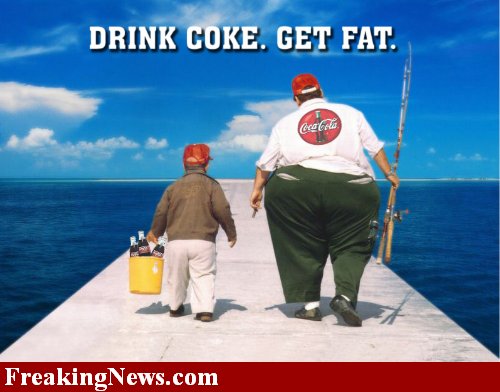
The Yale University Rudd Center for Food Policy & Obesity report I discussed last post discloses the youth market-grab that soda manufacturers are carrying out in an attempt to secure future sales. For a product like soft drinks, it’s all about brand loyalty, and people set their preferences early on. The big guns in the current soda marketing campaign are Coca-Cola Co and Dr Pepper Snapple Group Inc, the report found.

Successful companies study their markets and invest in wooing their top consumers, something to think about if you (or your child) fall into one of the following categories:

  • Black children and teens saw 80-90% more ads than white children, including twice as many for the 5-Hour Energy drink and Coca-Cola’s vitamin water and Sprite.
  • Hispanic children saw 49% more ads for sugary drinks and energy drinks on Spanish-language television, and Hispanic teens saw 99% more ads.
  • In 2010, teens saw 18% more TV ads and heard 46% more radio ads for energy drinks than adults did.
  • 21 sugary drink brands had YouTube channels in 2010, with more than 229 million views by June 2011. Coca-Cola was the most popular brand on Facebook, with more than 30 million fans.
  • The most-visited websites operated by soft drink brands were MyCokeRewards.com and Capri Sun, which is owned by Kraft Foods Inc.
According to the CDC, 15% of children are overweight or obese, and no doubt in my mind that sodas are a major player in that phenomenon. Although I agree that sodas are not the stand alone cause of obesity, using that as a reason to dispute the validity of the above report makes about as much sense as excusing cigarette smoking for its role in lung cancer because air pollution is also a factor.
Susan Neely, Chief Executive Officer for the American Beverage Association said that member companies are “delivering on their commitment to advertise only water, juice and milk on programing for children under 12.”
But Yale’s Kelly Brownell, co-author of the report, says otherwise. He states that there has been a lot of research on the issue of marketing unhealthy food to children. Today’s report, he said, is the first that analyzed data from several firms, including Nielsen Holdings NV, to measure the full picture of youth exposure to marketing and advertising. He also said it is important to consider the online interaction children have with brands, especially since they tend to stay on computers longer than they watch TV commercials.
For anybody falling into one of these groups targeted by soda manufacturers–children, teens, and especially black and Hispanic youth–just understand how you are being wooed, and educate yourself on the risks of consuming large amounts of soft drinks. Understand that ingesting that much sugar (ten teaspoons per can) can lead to excessive weight gain, obesity, diabetes and other metabolic disturbances, as well as rotten teeth. And mind you that all of these body changes occur over an extended period, so just because you don’t see the physical effects happening right now, don’t think they won’t in time. Just take a look at some the adults around whom you might wonder exactly how they’ve morphed into what they have–and realize that could be just what you have to look forward to if you continue your soda habit.
I’m pleased this report has come out, although it’s nothing new in soft drink marketing. Makers of liquid sugar have been wooing kids from the start.  But now we are all watching.  We’ll see where it goes.

In my recent obesity debates, I noticed a disturbing trend among many proponents of fantastical new theories on obesity, which included some doctors: They were adopting a “obesity is far too complex to blame a singular (or few) product/action” position. As I remarked in an earlier post, I think this poorly thought out opinion only perpetuates the problem.  No less erroneous than the genetic theory of obesity, denying the obvious simply gives the obese person a reason to pull themselves, and their lifestyle habits, out of the equation. As a result, it ensures that obesity will remain a lucrative disease entity in need of a cure (à la cancer).

Case in point: In response to a recent report coming out of the Yale University Rudd Center for Food Policy & Obesity, that has showed soft drink manufacturers to be stepping-up advertising to children and teens, particularly blacks and Hispanics. The American Beverage Association, whose members include soft drink companies, disputed the study’s findings. Said the group’s Chief Executive Officer Susan Neely in a statement,

“This report is another attack by known critics in an ongoing attempt to single out one product as the cause of obesity when both common sense and widely accepted science have shown that the reality is far more complicated.”

Uh huh…listen up obesity enablers: Aspects of obesity may have some complexity to them, but how it originates physiologically in the individual isn’t complex. Any right-minded person not driven by profits or ego (doctors…) simply cannot deny that imbibing ten teaspoons of sugar (contents of one can of soda) will lead to metabolic and hormonal changes that ultimately cause obesity.  If you’re this person, forgive me but…you’re an idiot.

This may not be news, but soda fountains have been found to be rife with fecal bacteria. Just another reason to bypass drinking that nasty stuff. This story is nearly two years old, but the heebie jeebies remain. I was reminded of this grossness, while researching another piece, and wanted to share my thoughts.

If you hadn’t heard the story when it broke January of 2010, here are the details of the study conducted in a region of Virginia:
  • 48% of beverages obtained from soda fountains contained fecal coliform bacteria, 11% contained E. coli (which are mostly harmless, but some can cause diarrhea, urinary tract infections, respiratory illness and pneumonia), and 17% had Chryseobacterium meningosepticum (which could sicken newborns or adults with weakened immune systems).
  • The U.S. Environmental Protection Agency’s drinking-water regulations require that all samples test negative for E.coli.
  • Many of the soda beverages from the dispensers fell below U.S. drinking-water standards, according to the findings.
  • It is premature, however, to draw broad conclusions about all soda fountains from a localized study.
  • The samples were contained in petri dishes and the bacteria multiplied within 48 hours, so much so that they became visible to the naked eye as 300 to 400 tiny dots.
  • Researchers were uncertain how the bacteria got inside the beverage machines, but very likely from unclean hands or rags used to wipe down machines.
  • National Restaurant Association and American Beverage Association both assured public that eating out and using soda fountains were safe.
  • A 1998 outbreak was linked to soda fountains after 99 soldiers in a U.S. Army base were hospitalized with gastroenteritis.
Okay, my thoughts: First, scientist have to practice caution with what they claim, so if they haven’t tested something in particular, they can’t make unsupported declarations about it. But I can! Fecal matter on soda fountains are probably from poorly washed hands. The only other explanation that it might be from the rags used to clean the machines is no great comfort. Either way, it’s unhygienic and disgusting.
Next, if soda fountains are contaminated, then so are the water dispensers. So I could easily say, just don’t drink the soda…but now were treading into deeper waters. If the drinking water also at risk, it really doesn’t make me feel comfortable. I guess bottled water is going to be in order. Cha-ching for the restaurants. Or maybe bring your own bottles…or, better yet, eat at home.

Finally, it’s true that this study was done in one small area in Virginia, but my guess is that if a nationwide study would be conducted, they might find similar results. You see, the problem is that soda machines have to be messed with (I worked in the restaurant biz for many years as a student)–the syrup needs to be changed, as does the carbonated water. Anything that needs to be handled frequently always has an increased risk. Further, soda machines are very often maintained by busboys and wait staff. Whereas kitchen employees may be extra cautious about hygiene, servers and bussers may not. And if it’s self-serve…ugh, even worse.

I am sure when the story broke, most restaurants heard the news and went through the extra-diligence to make sure cleanliness became godliness. But that was two years ago. Staffs turn over, and memories are often short; so whether or not the same hygiene is practiced today would be left to be seen. Saying that, I know that at most places where I’d worked hygiene was of paramount consideration.
My major message here is that sodas are nasty across the board. They are bad for your health, and when dispensed in a restaurant, they are at risk for contamination. Yuck! I am pleased that neither me nor my children drink that crap. I would advise you to stay away as well. Thought you’d want to know.

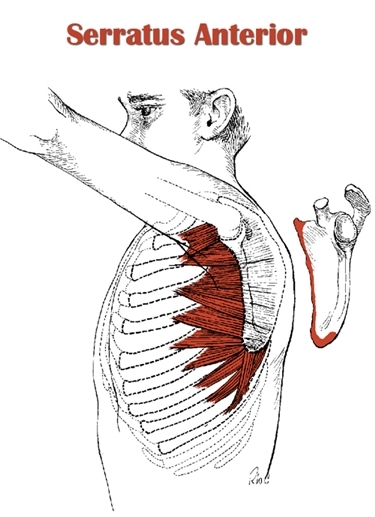
The serratus anterior is an oft-neglected muscle of the shoulder girdle, simply because the average person doesn’t know about it.  As a result, it can get weak disrupting shoulder joint biomechanics.

The serratus anterior attaches to the shoulder blade (scapula) and the thoracic cage (essentially the upper and mid-back).  It’s main function is to act as a scapular stabilizer; in other words, when we do shoulder movements, particularly reaching over head, the scapula must get locked into place against the t-cage, allowing unimpeded movement.

When serratus anterior muscle gets weak, stabilization is lost, and it can lead to a number of dysfunctions, including shoulder impingement (very painful), and degeneration (even more painful).  The classic postural sign of a weak serratus anterior is the shoulder blade protruding at its medial border, or the edge closest to the spine.  “Winging,” as it’s called, is not an uncommon sight among thin women (in fact, I observe it quite regularly here in Hollywood and Beverly Hills), but plenty of men have it too.

The answer to a weak serratus anterior is to strengthen it with an exercise called a press-through (aka push-up with a plus).  The actual movement is called protraction of the shoulders, which is the exact opposite of retraction (pulling the shoulders back).  I prefer the weight-bearing version for the use of gravity to help strengthen the muscle, but some people are not strong enough initially to do that.  For those that need to build up to the weight-bearing press-through, there are two alternate versions they can do.

And some people have difficulty just initiating the protraction movement altogether.  For these people, the neurological connection to the muscle and that movement has been disrupted.  The wall version of the press-through is what I recommend to re-establish this neurological connection.

Watch the video below to see a demonstration of the best serratus anterior exercise (weight-bearing press-through), as well as instruction on doing the two alternate versions.  Remember to build up to doing the weight bearing exercise, as this will ultimately give you the strength you need to maintain proper shoulder biomechanics.  As a plus, you’ll reduce winging, which will look better as well.

*Severe and one-sided winging should be checked by a doctor as it could signify a neurological lesion of the long thoracic nerve.


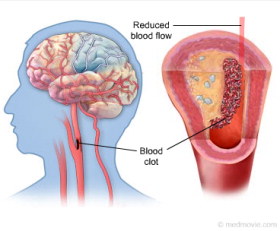
Put down that can of Diet Coke, dear reader.  It can be harmful to your health. So says a study conducted earlier this year, that showed diet soda drinkers to be at an increased risk for stroke.

Some believe that by drinking the diet variety of soft drinks, they bypass the harmful effects of sugar, thereby making a healthier choice in their beverage selection. But many of us have suspected that diet sodas have hidden harms, despite the inability of nutrition researchers to find them. Some recent studies, however, have shown that diet soda drinkers not only gain weight, but they do so even more than drinkers of regular soda. Doh! And now stroke.

Researchers followed 2,564 people in the large, multi-ethnic Northern Manhattan Study (NOMAS). They collected soda drinking habits and followed the subjects for 9.3 years on average. They found that people who drank diet soda every day had a 61% higher risk of vascular events than those who reported no soda drinking. Researchers accounted for participants’ age, sex, race or ethnicity, smoking status, exercise, alcohol consumption and daily caloric intake. And even after researchers also accounted for patients’ metabolic syndrome, peripheral vascular disease and heart disease history, the increased risk persisted at a rate 48% higher.

Researchers believe the reason for the increased stroke risk has to do with sodium intake. A separate study showed that an increased intake of sodium also increased the risk of ischemic stroke (when a blood vessel blockage cuts off blood flow to the brain). Diet sodas contain between 35 and 40 milligrams of sodium per can. Not a massive amount by any means, but when multiplied by the numbers that many individuals imbibe in one day, and the sodium intake starts to approach dangerous levels.

The second study showed that individuals who consumed more than 4,000 milligrams of sodium a day had twice the risk of experiencing a stroke when compared to individuals with an intake of less than the recommended limit of 1,500 milligrams of sodium per day. Only a third of participants met the current U.S. Dietary Guidelines for Americans that recommend daily sodium intake fall below 2,300 mg, or about a teaspoon of salt. Only 12% of subjects met the American Heart Association‘s recommendations to consume less than 1,500 mg a day. Average intake was 3,031 milligrams.

Well I’m sure you can imagine me shaking my head in contempt. I just don’t have tolerance for the liquid sugar habit picked up by the majority of Americans. If you can’t see the writing on the wall–sodas (both regular and diet) cause negative health consequences like obesity, diabetes, rotten teeth and now stroke–then so be it. But stop thinking that diet soda is a healthier alternative to regular soda, because it’s not.

Montel Williams is back in the news.  The former Emmy Award winning daytime talk show host is praising Israel, not for its politics or Palestinian relations, but for it’s medical marijuana practices.  What?!?!  You heard right, Montel, the patient rights activist, is in Israel on a fact-finding mission to learn about its medicinal cannabis practices. He is meeting with legislators, scientists and physicians.

Montel Williams was diagnosed with multiple sclerosis (MS) in 1999 and has promoted alternative therapies in the past, like chiropractic (booyah!), but today it’s medical MJ.  And he believes the U.S. can learn something from Israel.  “We need to get out of the dark ages and into the new ages,” he told The Associated Press. “Not every patient can use cannabis, but for those who can–why deny it?”

In Israel, certain doctors can prescribe cannabis and even disperse them from their offices.  It is regulated, and many doctors prefer it as a lesser of evils when compared to narcotics for pain relief.  According to Itay Goor-Aryeh, the head of the pain management unit at the Sheba Medical Center in central Israel, “Those patients, if they do not get cannabis, they will get morphine-like drugs and other harmful drugs. I think that in many ways, cannabis is tolerated and is less addictive that morphine-based drugs.”

Well, no duh!  Thank you Montel Williams for bringing this issue to the forefront and adding some credibility to the cause.  As a beneficiary of medical cannabis, Montel is in a perfect position to discuss the advantages of marijuana (and it’s active compound, THC) in a serious and meaningful way.

Yes, Montel Williams, 55, says he has been taking cannabis on a daily basis.

“For me, there is nothing else that can do what it does,” he said. “It helps me suppress my pain … When I am not using cannabis I am thinking about my pain every 45 seconds.”
And bravo to the Israeli medical profession for it’s adoption of a benign yet advantageous drug that has much potential for pain relief, and maybe more.

I agree with Montel, the U.S. government could learn a thing or two from Israel in this regard.  If we don’t start investigating cannabis as a pharmacological option, and instead we keep vilifying it, we may never know its full potential.  Fortunately, they are doing the research in Israel, so we may get our answers regardless.

Montel Williams is a hero to me.  He’s been a champion for many of the same causes I have taken on in my own life, and for that I commend him.

Interesting happenings in the world of medical diagnostics, a new wave of responsibility and changing paradigms. A small but significant movement is being made away from routine screenings. Bravo! It’s about time.  Nothing like a good ol’ politicized “health care crisis” and a few creative thinkers to right a decades long wrong of over-using screening diagnostics.

For years, the school of thought in western medicine was to screen for diseases liberally, so that illness could be caught early-on and addressed. But just recently, some medical groups have cautioned against certain routine screens, warning that these tests have just as many harms as benefits. Today, experts recommend less screening for prostate, breast and cervical cancer, with the rationale that these tests do not necessarily change the overall outcome, and in some cases can actually lead to worse outcomes for the patient. Wow!

In the case of prostate cancer, it has been found that the widely used PSA (prostate specific antigen) test does not save lives, but can lead to aggressive treatment which is often unnecessary. The influential United States Preventive Services Task Force (USPSTF), which evaluates evidence and publishes screening guidelines, said that PSA screening often leads to what can be disabling treatments for men whose cancer otherwise would never have harmed them.

The same group two years ago recommended less mammography for women, particularly those under 40, whom the group says gain little if any benefit from the test. For women between the 50-74, the group recommends a mammogram every two years instead of yearly. As for cervical cancer screening, the group recommends Pap tests be done every three years now instead of annually.

According to the New York Times,

A new analysis of mammography concluded that while mammograms find cancer in 138,000 women each year, as many as 120,000 to 134,000 of those women either have cancers that are already lethal or have cancers that grow so slowly they do not need to be treated.

A little known fact is that we develop cancers all over our bodies throughout our lifetime. Thanks to our immune system, which does its own innate screening and surveillance continually, many cancers never progress enough to be a threat. Screening thus leads to premature human intervention, when leaving the body to its own accord is the most prudent approach (sound familiar?).

Evidence accumulated over the last ten years shows how little benefit these screening tests actually provide. Although not a total wash, widespread screening helps in very small numbers, not worth the risk or cost. One study has concluded that $5.2 million must be spent on screening to prevent one prostate cancer death, and the authors pointed out that that numbers is probably even higher than that when including all costs.

Despite the growing evidence, changing the early detection screening paradigm will not be easy. When doctors are groomed in a culture of prevention (at least according to the obsolete medical model still dominating western health care), no matter how convoluted the version, and that culture then seeps into the mainstream consciousness to such a degree that the public expects diagnostic screening, it will be a difficult hill to climb to change things. No matter how erroneous the principle behind wide-spread cancer screening, in terms of practicality for doctors, weaning the public, getting over the fears of legal liability and just breaking habit will take time.

I am personally pleased by this spark of light igniting in medicine. It is part of the new paradigm I have been pushing for the last decade. My message is not that medicine is bad, or that a great conspiracy by the pharmaceutical industry and greedy doctors is in play (although a small movement has formed today pushing just this notion), but that we are following a faulty paradigm in health care. Our emphasis over the last half-century has been to direct the processes of the body, which are normally controlled by Innate. And if I’ve said it once, I’ve said it a million times: The body knows how to run itself. Yes, it occasionally needs help, but not to the degree with which we apply medical intervention. The latest findings by the USPSTF, and the push toward decreasing some screening test is a step in the right direction.

Lat pull downs and chin-ups are favorite exercises of bodybuilders and other athletes.  Aside from the fine aesthetics of a well developed latissimus dorsi (the V-shape of a man’s back), low back stabilization benefits also apply.

But chinning-up without stretching these massive muscles is a mistake, and it can lead to back pain, shoulder pain and even difficulty breathing.  In the video below, I demonstrate the best lat workouts and stretches for pain relief and prevention.  Further, stretching the lats just feels good.  It’s one of my personal favorites.

Whether you have low back pain, a chronic shoulder pain or just tightness from working out, the stretch I demonstrate in the video will be sure to open you up and make both your upper and lower torso feel tops.  Enjoy.

The FDA has issued a recall on Turkish pine nuts from bulk containers at Wegmans Food Markets, and also food items such as pesto, salads or baked goods that may have been prepared with the pine nuts.  Agency officials report that the pine nuts are imported from Turkey, and have sickened at least 42 people with Salmonella in seven states including California, Maryland, New York, New Jersey, Pennsylvania, Virginia and Washington.  Two people have been hospitalized for salmonellosis.

The CDC has reported 42 people sickened in five states–Maryland, New Jersey, New York, Pennsylvania and Virginia–and implicated pine nuts purchased in Wegmans bulk bins and prepared foods that included Wegmans pine nuts as an ingredient as the source of the outbreak.  The CDC mentioned Caprese salad and asparagus with pine nuts sold at Wegmans stores as possibly being contaminated with Salmonella.

recall by the Wegmans grocery store chain was limited to 5,000 lbs of pine nuts sold in the bulk foods department of most of its stores in Maryland, New Jersey, New York, Pennsylvania and Virginia between July 1 and Oct. 18, 2011.  The CDC said labs in Virginia and New York have isolated the Salmonella Enteritidis outbreak strain from retail samples of Turkish pine nuts collected from a Wegmans store and from pine nuts and homemade pesto at outbreak victims’ homes.  Federal, state and local health authorities are continuing to use the national PulseNet monitoring system to identify other reports of Salmonella infection that may be part of this outbreak. 

As I’ve reported in this blog, we’re seeing increases in the number of food-borne illness every year, and they will continue to rise.  This latest recall of pine nuts on the heels of a cantaloupe listeriosis outbreak that has been the deadliest in modern U.S. history.  As of this writing, the 26-state outbreak is still in effect, and it might be some time before we can assess the final damage.  But, I digress–today, we’re talking pine nuts.  Make sure to check your cupboards for the Wegmans brand, and if you unsure…toss ’em.  It ain’t worth the puke.

Another small victory for marijuana proponents, as the California Medical Association (CMA), is calling for cannabis legalization. The state association, which represents more than 35,000 physicians statewide, has taken an official position that despite its questionable medicinal value, marijuana should be made legal and regulated like alcohol or tobacco.  The CMA is the first major medical association to take that stance.


According to Dr. Donald Lyman, the Sacramento physician who wrote the group’s new policy, the change in position stems from frustration over California’s medical marijuana laws. As he explains, doctors are in a difficult position as more patients start to ask about marijuana’s medical benefits, particularly for pain relief, but which is still an illegal substance under federal law. Dr. Lyman believes that the question of whether marijuana has medicinal value can only be determined by legalization and research.

But this latest statement by the CMA has stirred much controversy.  John Lovell, spokesman for the California Police Chiefs Association said, “Given everything that we know about the physiological impacts of marijuana–how it affects young brains, the number of accidents associated with driving under the influence–it’s just an unbelievably irresponsible position.”


Other doctors associations have voiced concerns as well. Dr. Robert DuPont, M.D. and professor of psychiatry at Georgetown Medical School, said the association’s call for legalization showed “a reckless disregard of the public health. I think it’s going to lead to more use, and that, to me, is a public health concern. I’m not sure they’ve thought through what the implications of legalization would be.”


But the rationale from the CMA has merit.  Although they acknowledge some health risks to using marijuana, they believe that the consequences of criminalization outweigh the hazards. Dr. Lyman says current laws have “proven to be a failed public health policy.” He cited increased prison costs, the effect on families when marijuana users are imprisoned and racial inequalities in drug-sentencing cases.

I tend to agree with the CMA, though I think they are taking the politically safe, yet smart, route by doubting benefits of marijuana use and playing up the risks, so as not to encourage recreational drug use, but also by pointing out, and rightly so, that the drug is benign…and it may have greater benefit than we know!  But we’ll never find out if we don’t open that smokey door.

Listen, I’ve said this repeatedly in this blog: There is no doubt that marijuana carries with it side effects (2 am Taco Bell runs for instance) physiological changes, but when compared to alcohol and tobacco–it’s lite-weight. The warnings by police enforcement officials is about as convincing as Reefer Madness. C’mon. Regulate it, tax it, punish driving under the influence, and you’ve got an open revenue source. No way it’ll lead to more chaos than booze…or pharmaceuticals…c’mon.

I am convinced that the ol’ MJ will be legalized in California within ten years, maybe sooner.  And as Cali goes, so goes the nation. That’s what the Heshers say, anyhow.

I wanted to address something I touched on last post–obesity as a condition of prosperity.  The obesity epidemic that we are witnessing today in western society is only possible in an environment of abundance.  I am not talking individual wealth here, but prosperity of nations; and American obesity statistics, and pretty much that of the rest of the world, support this claim.  Obesity is rampant in North America and Europe, with Japan and South Korea having the highest rates in the east.

But wait, what about the rising powers of China and India?  They are experiencing rapid economic growth, but have they an obesity epidemic?  According to a recent report, extreme fatness is making its way to India.  As India’s economy grows, the middle class increases as well, and western fast food companies are smelling opportunity like they haven’t since, well, 1950s America.

And which demographic do you suppose the fast-food industry is targeting?…You got it–youngsters.  Let’s go to the Hop… Reports disclose that one in three children in private schools in New Delhi are obese compared with one in ten in government schools.


“Obesity is emerging in India which has serious implications for metabolic health in the future,” says researcher Seema Gulati. “Schoolchildren are attracted to the way it (junk food) is advertised,” she said. “They feel it is something that is high status. They want to try it out.”

Exactly…convenience, good taste, high status, western, bourgeois, you know…you’ve been there America, but now look atcha: 30% obesity in most states.  That’s not overweight…that’s obese…and it’s crazy.  And I’m certain the trend will continue in the East, as Asian countries get more powerful.

Brazil is there already, and India is on its way…China anyone?  We’ll see.  A major 2010 study called “The Rise of Asia’s Middle Class” by the Asian Development Bank warned that in the next 20-30 years Asia will be faced with “an increasing number of chronic diseases on a scale previously unseen”.

Obesity is a natural consequence of prosperity.  As money flows, so does the drive for convenience, and nothing more convenient than ready-made food for the go.  Wealth comes from work–lots of it–and this means limited time.  We Americans know that lifestyle all too well–the burning candles, chasing sensory stimuli and seeking greater and greater conveniences–and how it can lead to greater excesses.  Ultimately these excesses cause problems, like rising chronic diseases and epidemics of addiction: food, drugs, sex, and so on.

Hey I’m not knocking any of it…just pointing out the truths of the bigger picture.  We can waste time looking for new and novel causes of obesity–heck, lots of money to be made there–but if we really wish to make a dent in the obesity numbers, then understanding how the condition arises and develops over time is a hell of a lot more useful than trying to create new fantasies about genes and hormones, especially as we see it unfolding in other cultures mirroring our own.  Let’s put two and two together, find real solutions to help those that truly want them, and then maybe we might even pave the way for others to understand and resolve their own issues.  But it won’t happen anytime soon if we continue to foolishly blame outside forces when the problem is completely man-made.

Over the last several posts I have discussed a few aspects of obesity that I think are important in understanding the condition. There is no doubt that obesity is a multi-factorial issue in adults—I’ve always contended that. But I do not feel that way when it comes to kids, because children often do not have the same mental factors, which I believe play such a strong role in chronic obesity (the factor most involved in the I-just-can’t-seem-to-lose-weight-no-matter-what-I try-syndrome). More on this in a future post.

But we already defined obesity—a medical condition in which excess body fat has accumulated to the extent that it may have an adverse effect on health, leading to reduced life expectancy and/or increased health problems—so the question should now be: How has obesity become epidemic? How have so many people gained weight to such degree as to be detrimental to their health? The numbers today are harrowing–in the U.S. no state has a prevalence of obesity less than 20%, with some states having 30% or more of their population obese.

This is a fairly new phenomenon, as the numbers in the U.S. have gone through their most dramatic increase only over the last twenty years. This is one reason I do not buy into the genetic or hormonal-cause theories. Gene pools just don’t change that quickly, especially not with regard to a trait that has neither survival nor reproductive advantages.

One major benefit we are experiencing as a result of the current obesity epidemic is that we have learned quite a bit about human physiology, particularly with regard to changes in autonomic function. What is particularly interesting is to see how the body responds to an extreme change in condition—in this case, excess weight gain. Once again, we see the incredible intelligence inherent in the human body. The body responds to a perceived stress in a very predictable way: It tries to reestablish balance, and it does so through the autonomic nervous system (ANS).

These observations have some in the field excited that they have now found the true underlying cause of obesity. However, ANS changes, and their associated hormonal imbalances, are not the cause of obesity. Neither are emotional or economic stressors the cause of obesity. While these issues are very likely factors in the long-term maintenance of obesity—the reason why “weight stays relatively constant”—they are not, in and of themselves, what causes obesity. Taking in more energy (calories) than we use is the primary cause of obesity. And this phenomenon is predominantly due to one or more of the following factors:
  • Eating more than is needed (we’ve all done this at one time or another, so it shouldn’t be too hard to conceptualize how it could happen repeatedly, over time, leading to a form of conditioning)
  • Eating nutritionally-poor foods (more than occasionally)
  • Chronic inactivity

Yes, hormonal issues like hypothyroidism can cause weight gain, so can medication side-effects, and genetics probably leaves some people more susceptible than others. But these factors are not responsible for the 20-30% obesity rates in the U.S. No way.

So, once again, how has obesity become epidemic in the U.S. and other western societies? As far as I can see obesity is a consequence of prosperity. When food is abundant, when we do not have to grow, hunt, trap or kill our own food sources, when high-energy foods (not in vibrancy, but calories: think pizza) is just a phone call away, 24-7, what do you think is going to happen? Poor nations don’t have obesity epidemics. Oh they may have obese people…but not an epidemic. Think about it. Obesity is mostly a condition of abundance.

Obesity is also a consequence of population growth. The more mouths we have to feed in rich, industrialized nations, the more we have to manufacture foods that will preserve long-term storage, transport and shelf-life. Simple as this: To feed millions of people, foods are tweaked to prevent their perishing, and as a result we get chemically- and preservative-laden foodstuff, as well as the now prevalent yet highly controversial genetically-modified organisms (GMOs). Ingesting these food-like substances, as I like to call them, in large quantities or over long periods can lead to excessive weight gain.

Sorry to the foolish skeptic, but sodas do cause weight gain. It is no surprise to me that obesity has run concurrently with both American power and prosperity in the world, but also with the explosion of the food industry, particularly in the development of processed  foods (and junk food, and fast food, and soda consumption…)

As I’ve hinted in a previous post, I also believe a very strong mental component is involved in the obesity epidemic. No doubt the psychological makeup of society is contributing to this massive inflation. The coddling of the obese—by searching for an it’s-something-outside-of-you cause—is no small factor in making obesity an epidemic. Next post, I will discuss weight loss and what I think is a better approach to decreasing the prevalence of obesity in modern society.

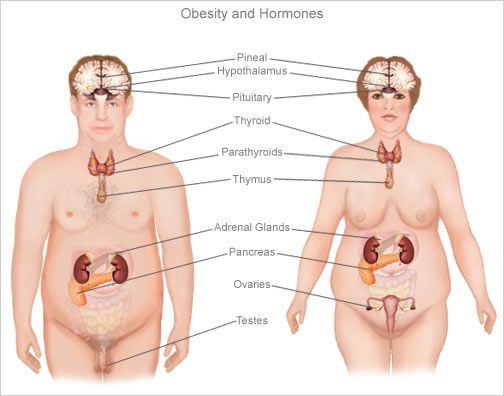
Continuing on with obesity, you know, I’ve been hearing quite a bit about hormones and their role in weight gain. It is an indisputable fact that the concentration of some hormones goes haywire as people gain weight. But listen up o’ seekers of truth: Hormone imbalances are a consequence of weight gain (though I am certain they are also maintainers of such), but in and of themselves they are not the cause.

Hormones are chemicals messengers that have a number of functions, one being regulation or homeostasis. Homeostasis is a control mechanism that maintains the balance in a system—it is a universal principle. The peripheral nervous system is made up of the somatic and autonomic nervous systems (ANS), the latter controlling functions that are on auto pilot–the one’s we don’t have to think about.

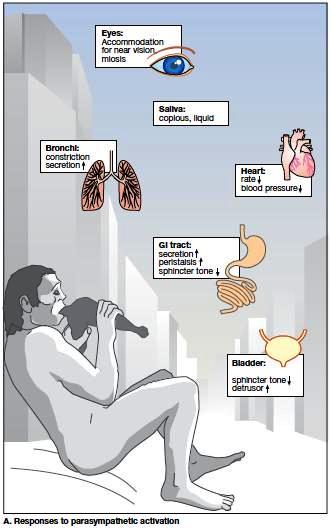
The ANS has two branches that act in continual oscillation under normal conditions—the sympathetic and parasympathetic nervous systems. The sympathetic nervous system is responsible for our fight or flight responses; the parasympathetic for our rest and digest. In other words, each branch of the ANS is responsible for various functions that support either build-up (parasympathetic) or breakdown (sympathetic) processes. Energy utilization is one such process.

During energy buildup and storage or anabolism—when we extract and store our energy molecules—our parasympathetic system is the driver, controlling various hormones and chemical messengers. During breakdown and utilization (fuel burning) or catabolism—it’s our sympathetic nervous system that’s the driver, with it’s own hormones and neurotransmitters. Parasympathetic prepares the body for build-up (rest and digest), which includes slowing molecular breakdown and energy utilization (sympathetic), increased blood flow to the digestive system, and decreased blood flow to the muscles. When this system is in full force, we often feel relaxed, lazy, maybe even sluggish. Our bodies are ripe for energy storage or weight gain when we are in rest and digest.

On the flip side, our sympathetic nervous system prepares the body for energy utilization, especially under stressful conditions. Remember it’s the fight or flight system. During sympathetic stimulation, our metabolism speeds up so we burn fuel more efficiently, blood flow to the digestive organs decreases (less food coming in and being distributed to tissues, thus less stored), and muscles perfuse with blood (getting ready to work). It’s what makes you shake and tremble when you are stress or excited, although I am certain some people rarely feel it so strongly.

I say that because, no doubt, obese people are in a state of parasympathetic imbalance. That is, their parasympathetic system is kicked in more often than their sympathetic system. As a result, it has been observed in obese people that certain parasympathetic processes are acting normally while their sympathetic system is depressed. The effects of such an imbalance is that obese people have difficulty burning fuel efficiently, while they are quite proficient at packing it in.

Okay, we’ll no sh#%…we all know that: It’s harder for obese people to lose weight. No kidding…that doesn’t mean they cannot. The reason this happens is that when fuel keeps coming in as food, the body, in its profound intelligence, does what it’s proficient at: stores it as fat for leaner times, for survival. The body doesn’t understand gluttony; it doesn’t understand prosperity—it doesn’t know 24-hr pizza delivery exists. All it understands is, “Influx of food—store it.” Period. And so that’s what it does.

As a result of overeating, excessive weight gain and very likely low physical activity, the body is forced into this autonomic nervous system imbalance between parasympathetic and under-active sympathetic systems. And a vicious cycle ensues.

Yes it’s the reason obese people don’t see the same gains non-obese people see from short-term exercise…that’s why they’ve got to make it lifestyle, and see what happens after two years of continued activity. Too many obese people quit when they don’t see result within three months.

And, yes, decreasing calories too quickly can lead to a stress that is both mental and physical, one that the body interprets as a need to store even more (“Starvation!”). That’s why I always recommend keeping weight loss to realistic and healthy goals of one pound per week. It’s one thing I like about the Weight Watchers program—they do it slowly and steadily, advocating lifetime wellness and not just a crash-diet (literally and figuratively).

But here’s the skinny: In the end, it still comes down to calories in (and stored) versus calories burned. It’s just that the hormonal changes that DO occur—the ANS imbalance—slow things down that much more for the obese person. In the end, though, part of the answer is still to exercise regularly and effectively, as well as change eating habits (see last post).  There is, however, one more obstacle that is probably the biggest hump when it comes to losing and keeping off weight, and one which I will be discussing in the next post—the human mind.

What?!?!  Now recalled lettuce?  You got that right–a California farm has now recalled bags of chopped romaine lettuce because of possible contamination with listeria, although no illnesses have been reported. 

True Leaf Farms of Salinas announced the recall of 90 cartons that were shipped to an Oregon food service distributor. From the distributor, it might have gone to at least two other states, Washington and Idaho.  The Food and Drug Administration (FDA) notified the company that a sample from one bag taken as part of a random check tested positive for listeria.  Officials have said they’ve gotten better at detecting contamination, so they are seeing it more often now in produce.

This now amid the cantaloupe recall that has sickened 72, and killed up to 16 people, in 18 states.  

The recall covers packaged lettuce product with a use by date of Sept. 29. The bag and box code is B256-46438-8.  Please check your bagged lettuce and toss if necessary.  But seriously folks, how ’bout some fresh stuff?  Just wondering.

Another great stretch for the low back and hip regions is the twist stretch.  A bit different than your typical piriformis stretches, the twist stretch hits the piriformis, glutes and lumbar spine erector spinae (or paraspinals).  Because of this, the twist stretch is great for relieving low back pain, hip pain, piriformis syndrome, and can even help in some cases of sciatica.

Watch the video below to learn the best technique for doing the twist stretch.  The key that you must remember when doing this low back stretch is to keep your lower back straight, so sitting up straight before twisting is imperative.  If you fail to do this important step, you do risk the potential for injury.  I find this point so important because I observe many people at the gym doing a twist stretch with rounded backs.  Listen, if you want to come see me as a herniated disk patient, then twist with a rounded back.  But if you would rather fix your low back pain, then twist with a straight back–simple as that.  Have fun twisting.

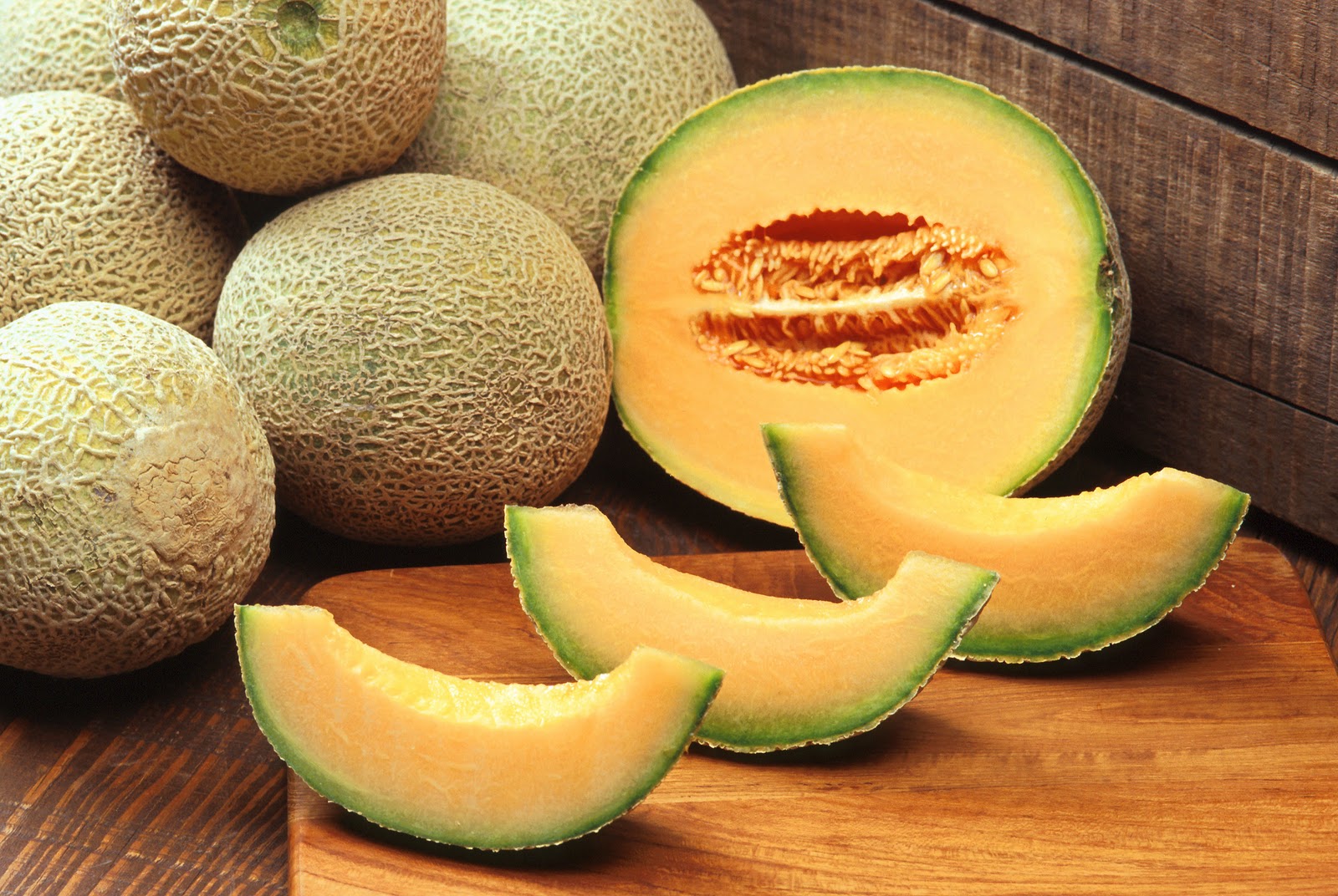
A quick post on a serious food warning: Don’t eat the cantaloupe!  Federal health officials are warning that cantaloupes produced at Jensen Farms in Colorado is being linked to 72 illnesses–including up to 16 deaths–in 18 states due to a Listeria outbreak. This is the deadliest food outbreak in the United States in more than a decade.

Although CDC experts report that the contaminated cantaloupe is solely from Jansen farms, making all others okay to eat, I personally wouldn’t eat any.  My feeling is that unless you can confirm the source of the cantaloupe, I wouldn’t take any chances.  Sure the CDC says that any melons produced outside of Jensen Farms is safe for consumption, but does your cantaloupe have that printed on the side.  Are you really going to call the grocery store and ask if their cantaloupes are from Jensen Farms?  Then throw it out.  Lose the $1.50, save your life, or at the very least, save your peace of mind.

The recalled cantaloupes may be labeled “Colorado Grown,” ”Distributed by Frontera Produce,” ”Jensenfarms.com” or “Sweet Rocky Fords.” Not all of the recalled cantaloupes are labeled with a sticker, the FDA said. The company said it shipped out more than 300,000 cases of cantaloupes that contained five to 15 melons, meaning the recall involved 1.5 million to 4.5 million pieces of fruit.

The FDA said none of the cantaloupes had been exported, reversing an earlier statement that some of the tainted melons had been shipped abroad.

FDA Commissioner Margaret Hamburg said that illnesses are expected for weeks to come because the incubation period for listeria can be a month or even longer. That means that someone who ate contaminated cantaloupe last week may not get sick until next month. Jensen Farms last shipped cantaloupes on Sept. 10. The shelf life is about two weeks.

Listeria is generally found in meat and unpasteurized dairy products, but cantaloupe has been linked to other pathogens, like salmonella, over the last decade.  Saying that, health officials are truly surprised about the latest outbreak.

Listeria is more deadly than well-known pathogens like salmonella and E. coli, though those outbreaks generally cause many more illnesses.  It generally only sickens the elderly, pregnant women and others with compromised immune systems.  The CDC said the median age of those sickened is 78 and that 1 out of 5 who contract the disease can die from it.   Symptoms include fever and muscle aches, often with other gastrointestinal symptoms.

Listeria bacteria can grow at room temperatures and even refrigerator temperatures, and it can linger long after the source of the contamination is gone–health officials say people who may have had the contaminated fruit in their kitchens should clean and sanitize any surfaces it may have touched.

Cases of listeria were reported in California, Colorado, Florida, Illinois, Indiana, Kansas, Maryland, Missouri, Montana, Nebraska, New Mexico, North Dakota, Oklahoma, Texas, Virginia, West Virginia, Wisconsin, and Wyoming. The most illnesses were reported in Colorado, which has seen 15 sickened. Fourteen illnesses were reported in Texas, 10 in New Mexico and eight in Oklahoma.

Most healthy people can ingest listeria and they’ll probably be okay; however, it is often deadly to older folk, and it’s also dangerous to pregnant women because it can cross the placenta.  Two of the recent illnesses were in pregnant women, but they have since recovered.

Once again: Throw out them cantaloupes people–they’re just not worth the risk.

Clicking at the knee is a common complaint walking into my West Hollywood sports chiropractic office.  Although a couple sites on the knee are potential origination points, I find that the most common area of occurrence is at the kneecap (patella) itself.  Knee clicking coming from the knee cap is usually painless, but it can eventually lead to breakdown of the cartilage underneath the patella itself, which can be painful.

Despite being painless in the early stages, knee clicking can be disconcerting, so those experiencing it want answers.  I’ve cut the video below to explain clicking knee coming from the patella.  In a nutshell, knee clicking comes from a tracking disorder of the patella on the femur and tibia on bending and straightening the knee.  The disorder is usually due to a muscular imbalance of the quadriceps muscles, specifically the vastus lateralis, which gets strong or overactive, and the vastus medialis, which gets weak or under active.  The vastus lateralis, being the strong one, will thus pull the kneecap toward the outside of the leg on knee extension leading to a…”click.”

The way to fix knee clicking is by strengthening the vastus medialis relative to the vastus lateralis.  Watch the video below to see the best exercise to correct clicking knees due to a tracking disorder or muscular imbalance.  Remember, not fixing your knee clicking problem can lead to future degeneration, pain and disability, so start exercising now to click no more.


I’ve gotten to experience something very interesting over the last couple of weeks.  Resulting from my posts on childhood statin recommendations and parental responsibility for childhood obesity, I’ve gotten numerous replies, comments and tweets that have both commended and criticized my views.  Being all for intelligent discussion, I’ve welcomed the responses; but something has become very clear to me: People who are attached to a particular point-of-view will fill any holes with their own interpretations and opinions,quite apart from anything that has ever been said or implied.  It’s an interesting phenomenon.  So as promised, I will continue presenting my viewpoint on obesity in general, and specifically, childhood obesity, so I can fill those holes myself, and keep my thoughts from being assumed by others.

Let me begin with the obvious: What is obesity?  From Wikipedia:

Obesity is a medical condition in which excess body fat has accumulated to the extent that it may have an adverse effect on health, leading to reduced life expectancy and/or increased health problems.  Body mass index (BMI), a measurement which compares weight and height, defines people as overweight (pre-obese) if their BMI is between 25 and 30 kg/m, and obese when it is greater than 30 kg/m

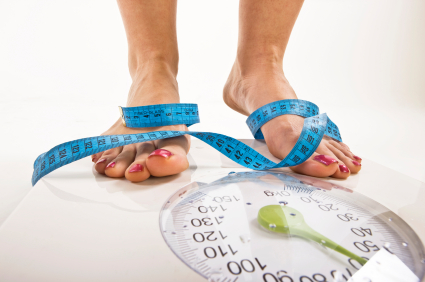
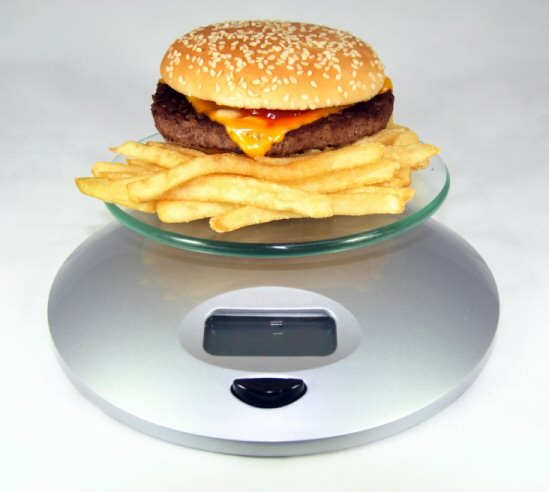
Wikipedia is not necessarily the end all be all as a reference source…but, in this case…well, it’s right.  Weight gain, which can lead to obesity, is caused by taking in more calories than you burn, period.  It doesn’t happen from eating one tootsie roll, despite a tootsie roll being an unhealthy food-like item, or from eating one French fry, or even thirty on a Saturday night for that matter; nor does it come from eating a Twinkie, or a bag of chips, or drinking a soda.  No, gaining excessive weight, and developing obesity, comes from eating lots of crap over and over again.

It is what one does repeatedly that matters, so, in that regard, obesity is a calorie issue.  But yes, there is more to it, although I would argue very strongly that the most important factor is overeating.  As a rule, Americans eat too much.  Listen, I am an American.  I eat at restaurants.  My observation is that the portions served in most restaurants are more than most people need under most circumstances.  I also observe how others eat, and can say quite confidently that most people aren’t leaving their plates half-full.  No, most people put it away–all of it–plain and simple.  And this (as a habit) leads to excessive weight gain.

Here’s some basic nutritional physiology: Take in more calories than you expend, you gain weight.  Expend more calories than you take in, you lose weight.  When intake and output (over time) are relatively equal…you maintain weight, no gain, no loss.  Duh.  It blows me away that some people actually try to argue against this simple fact.  Why not, then, argue against the Pythagorean Theorem while you’re at it?

Listen, it doesn’t make sense to try to disprove what we already know about any science.  If it’s an established principle, why try to reinvent the wheel?  Oh no, the Law of Gravity is wrong, and that’s why we can’t unify all theories on physical forces.  No serious thinker would go that route.  Instead they would take what is already known and try to formulate a theory around that.  Freakin’ duh!   So why do some self-proclaimed experts attempt it with nutritional physiology?

There is no doubt that food types matter when it comes to weight gain and obesity.  It doesn’t take a brain surgeon to understand that French fries are a worse food choice than broccoli.  And it doesn’t take a theoretical physicist to understand that eating wholesome foods, as a habit, is better than simply cutting your French fry intake in half.  Freakin’ duh!


What amazes me is that some people think that somehow my previous posts suggested that I advocate a low calorie diet.  When have I ever said that?  Let me be perfectly clear: I’ve never said anything about a diet of any sort.  When I speak of “diet,” I speak in terms of how one eats, the types of foods one eats, and NOT a freakin’ fad diet (and that includes Atkins, or rehashed Atkin’s-like theories).  I simply cannot be any clearer.  The types of foods you eat matters, and how much of them you eat matters too, and how much you burn with physical activity also matters a whole hell of a lot more than your mutated skinny genes (and you thought those were just clothing trends).

Interestingly, the notion that calories in vs. calories out and food type both contribute to obesity presents somewhat of a conundrum to people battling weight.  Some will say, “I don’t eat junk food, and I just cannot seem to lose weight.”  Then you eat too much, is my answer.  No, I don’t eat too much.  Then the types of foods you are eating are poor choices.  No, that’s not it either.  Okay, then what is it?  It’s genetics.  Oh, you mean fatness runs in your family.  Well, no…I have a gene.  But nobody else in your family is fat?  Well yes…both my parents.  Listen that’s called nurture–what you were exposed growing up, your learned behaviors–not necessarily genetics, or nature.  All you are doing when you blame it on your genetics is pulling yourself out of the equation, and I’m sorry, but that just doesn’t cut it.  Genetics, hormones, lack of sleep, blah, blah, blah…yes, okay, they contribute…but not more than your food choices do, both in quantity and quality.

I’m going to discuss hormonal factors in weight gain in the next post on the subject, as well as list some factors that are primary in the development and maintenance of obesity.  Just remember that food choices matter–the types of foods you eat (whole, natural foods that you prepare yourself are best), as well as how much you eat.  Denying basic physiological principles isn’t going to make one dent in the obesity epidemic, so the fools doing just that are merely perpetuating the problem.

Copyright © 2013 Dr. Nick Campos - All Rights Reserved.